Protecting the planet: Rolex sets the time for action
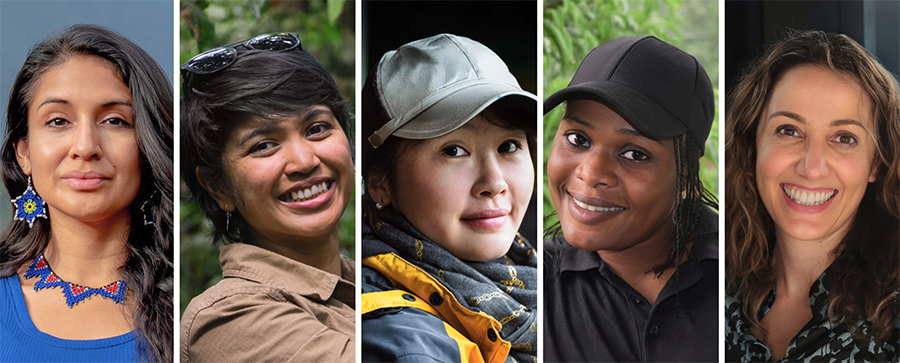
To celebrate the 50th anniversary of the Rolex Awards, the watchmaking house doesn’t waste any time: they take advantage of it. For the 2026 edition of the Rolex Awards, five women from Indonesia, Nigeria, Peru, China and the United States were selected for their projects likely to lastingly change the relationship between human beings and our planet.
At first glance, this announcement looks like an umpteenth prize list published among the mass of international prizes. But these rewards shape the outlines of a greater ambition: supporting those who imagine concrete solutions for the environmental and health challenges of the 21st century.
These prizes, originally created in 1976 to celebrate the 50th anniversary of the Oyster watch – the first waterproof wristwatch ever designed by Rolex, supported 165 laureates in more than 67 countries. The results are staggering: more than 50 millions of trees were planted, 137 endangered species have been protected, 32 major ecosystems have been preserved – including 57,600 km² of the Amazonian rainforest – alongside numerous ground-breaking technologies and scientific expeditions. The programme changes in order to celebrate this half of a century. Now renamed Rolex Awards, these prizes will now be granted every year and take after the Perpetual Planet Initiative that was launched in 2019 to support projects targeting oceans, landscapes and sciences.
Five women looking the same direction
This 2026 vintage casts light to five scientists and activists who all strive for a better future in their own personal way.

In China, Binbin Li tackles an emblematic challenge: the survival of the giant panda. There are now less than 2,000 wild individuals. By working directly with rural communities, she helps developing a sustainable model of livestock grazing that protects the bamboo forests as well as benefitting local economies.

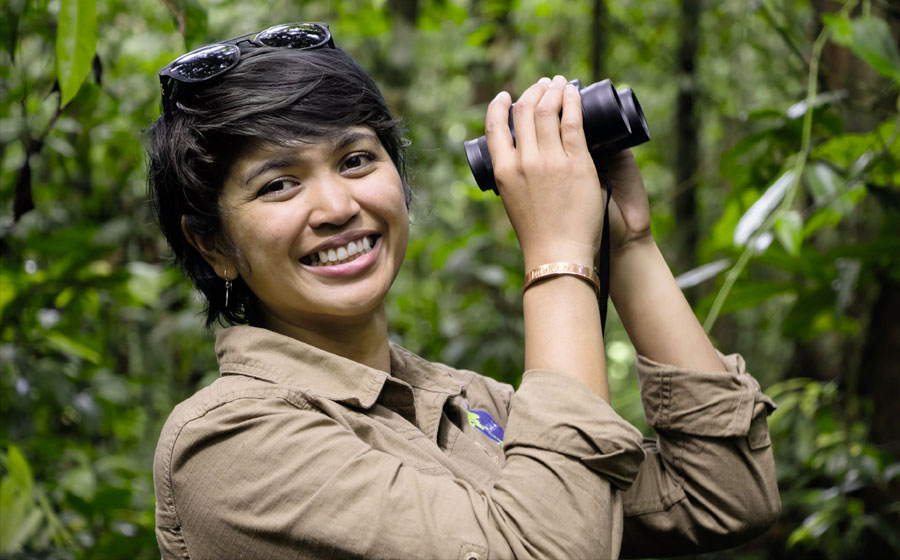
In Indonesia, Southeast Asia, Farwiza Farhan fights for the Leuser Ecosystem of Sumatra. It’s the last place on Earth where elephants, tigers, orangutans and rhinoceros still coexist in the wild. She mobilises local communities – and especially women – to defend this biodiversity sanctuary against deforestation and industrial threats.
Medical sciences are also celebrated. Medical geneticist Pardis Sabeti has been developing technological tools that can precociously detect viral epidemies in West Africa. She aims for spreading out a portable diagnostic device in Sierra Leone in order to identify any disease outbreak before it turns into a global crisis.

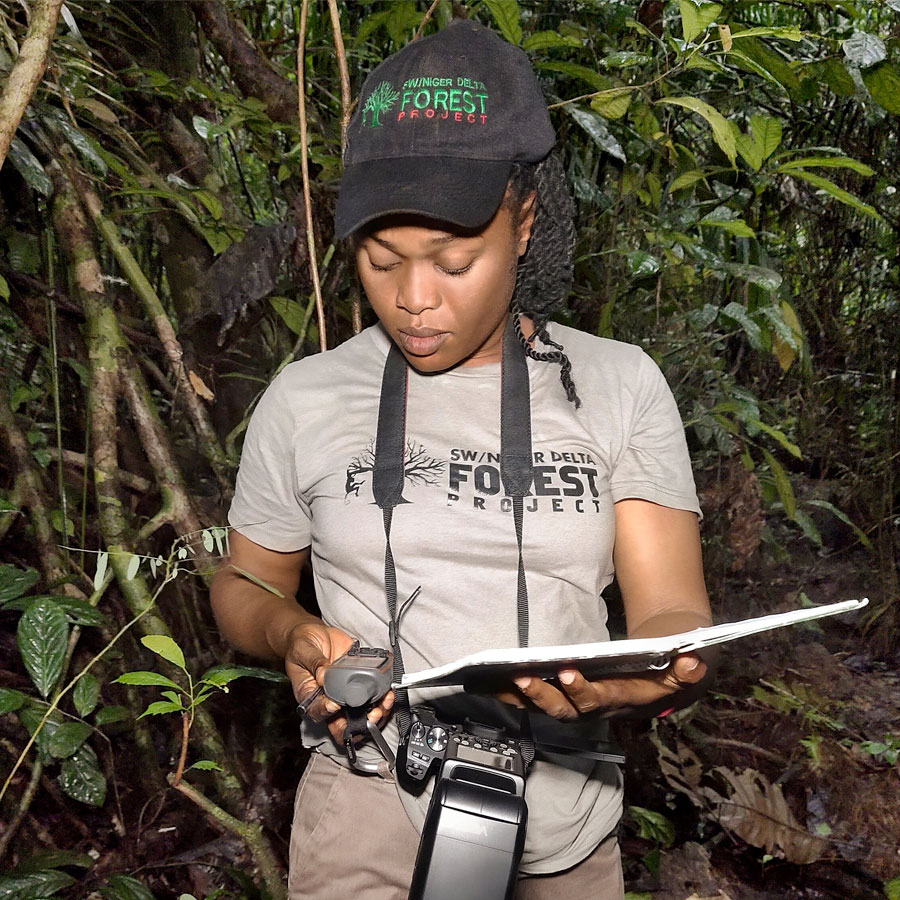
In Nigeria, Rachel Ikemeh proves that conservation can also be a lever for local development. Her work saved the Niger Delta red colobus monkey from extinction and helped protecting more than 5,839 hectares of forest. With Rolex’s support, she plans to create a training hub and a mobile education programme to increase community-led conservation.
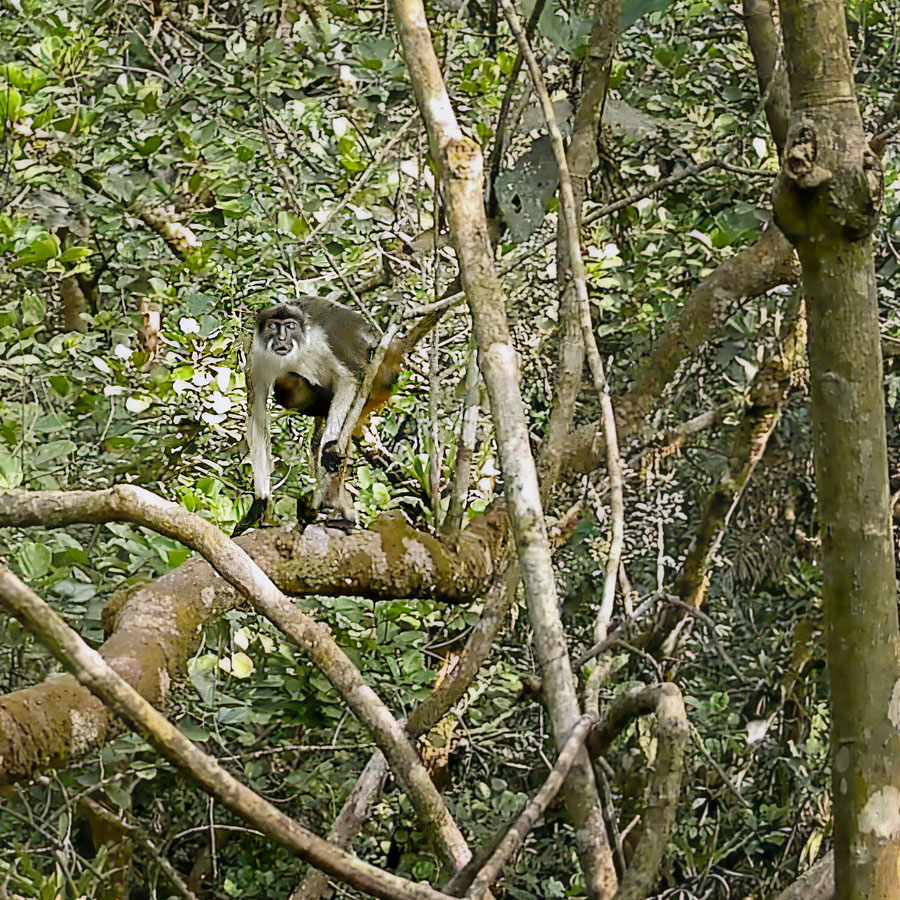
A red colobus monkey photographed in the Niger Delta, in Nigeria.
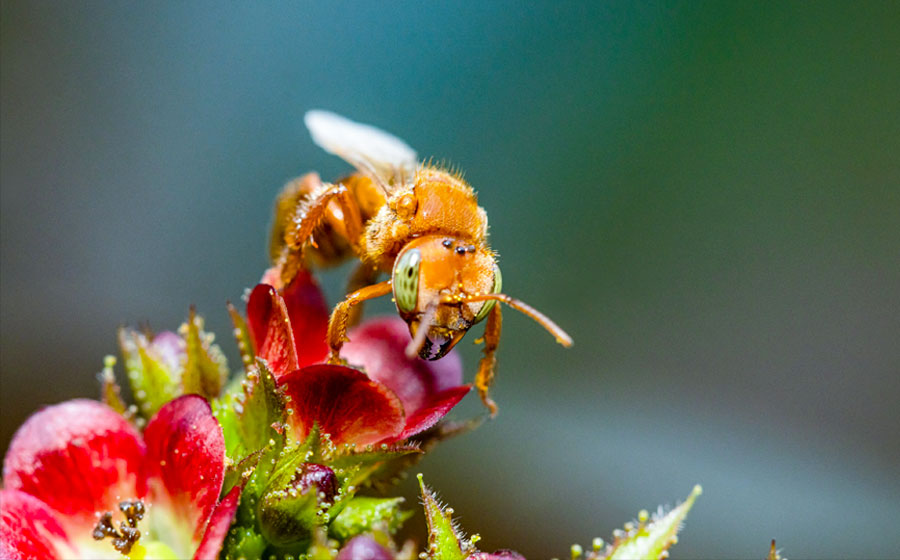
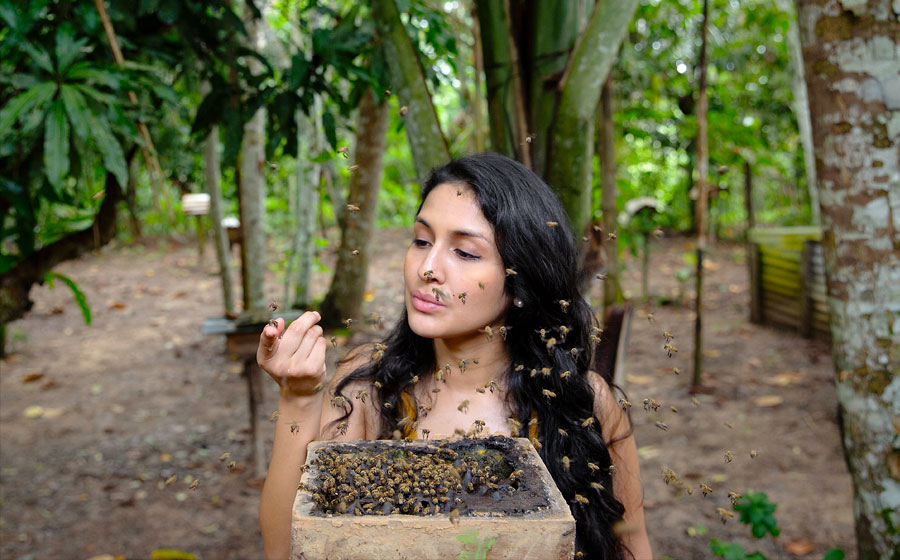
Lastly, on the Peruvian side of the Amazon rainforest, Rosa Vásquez Espinoza has been silently fighting for a critical animal: stingless bees. These pollinators are essential for the survival of many endemic plant species that support local populations’ well-being. Her research even resulted in a historical recognition of the bees’ legal rights.
Although Rolex is firstly linked to watchmaking prestige and accuracy, the company has been performing a bigger role for a few decades now: supporting those who explore, understand and protect the Earth. With Perpetual Planet, they are now helping more than 30 international partners: marine biologists, rainforest activists, or pioneers of global healthcare… In a world where environmental emergencies can be measured in years – or even in months – these initiatives remind us of a simple thing: some battles require a long-term vision. Sometimes, celebrating the years gone by can take the shape of protecting the upcoming ones.