When a watch shows reserve…
The “power reserve” of a watch corresponds to its autonomy once completely wound up. It indicates how long the movement will keep on working without being worn nor wound up again. It is usually expressed in hours or in days (48h, 72h, 5 days or 8 days for instance). In today’s didactic video, Frank Sans C reviews the different types of power reserve depending on the watch’s category (manual winding, self-winding or powered by a battery).
Self-winding mechanical watches
The principle is similar to a manual winding watch, but this time the watch gets wound up by the motion of the wrist via a rotor or an oscillating weight. It gets automatically wound up as long as the watch is worn regularly. The power reserve (usually between 38 and 80 hours) indicates how long the timepiece will keep on working if not worn nor agitated. Thus, a self-winding watch has a similar power reserve as a manual one, but its power source is more autonomous.
HAMILTON, Khaki Field Power Reserve Mechanical
The dial of this Khaki Field Power Reserve Mechanical features a power reserve gauge at 9 o’clock. Red letters – F for Full and E for Empty – surround it while the indication “Power Reserve 80 Hours” proudly states the endurance of the movement.

Indeed, this indication hides a system more complex than it seems. The complication is animated by a key-yet-delicate differential mechanism that works thanks to the controlled friction of its inner plates. This smart system translates the tension of the mainspring into legible information displayed on the dial. The only downfall: a violent shock can slightly shift the components and distort the power reserve indication – a common risk for mechanical field watches.
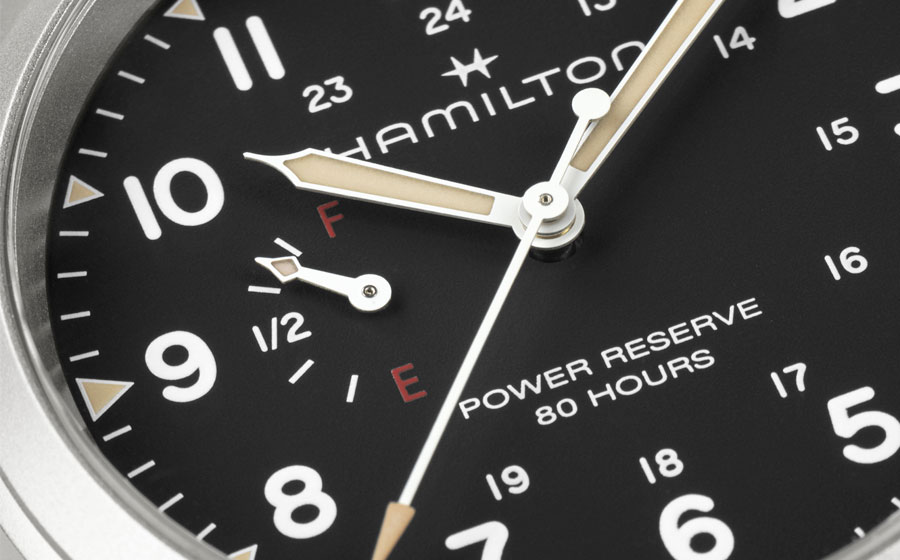
To prevent this, Hamilton introduces their new H-23 calibre. Equipped with a spring that slides into the barrel, it automatically re-synchronises the indicator when the user winds up the watch. It requires no intervention nor servicing: the cogs correct themselves. This results in a very reliable power reserve indicator.
Read the full article about the Khaki Field Power Reserve Mechanical model by Hamilton:
€915
See the technical specifications sheet of the Khaki Field Power Reserve Mechanical model.
Power reserve indicator:
Some watches feature a power reserve indicator. This complication shows the remaining energy, usually via a graduated hand or a digital display. This indicator is especially convenient for manual watches with a big power reserve.
JAEGER-LECOULTRE, Master Ultra Thin Power Reserve
Jaeger-LeCoultre has been featuring the power reverse function since 1948, where it was first introduced with the Powermatic model. Back then, the indicator was located at 12 o’clock.
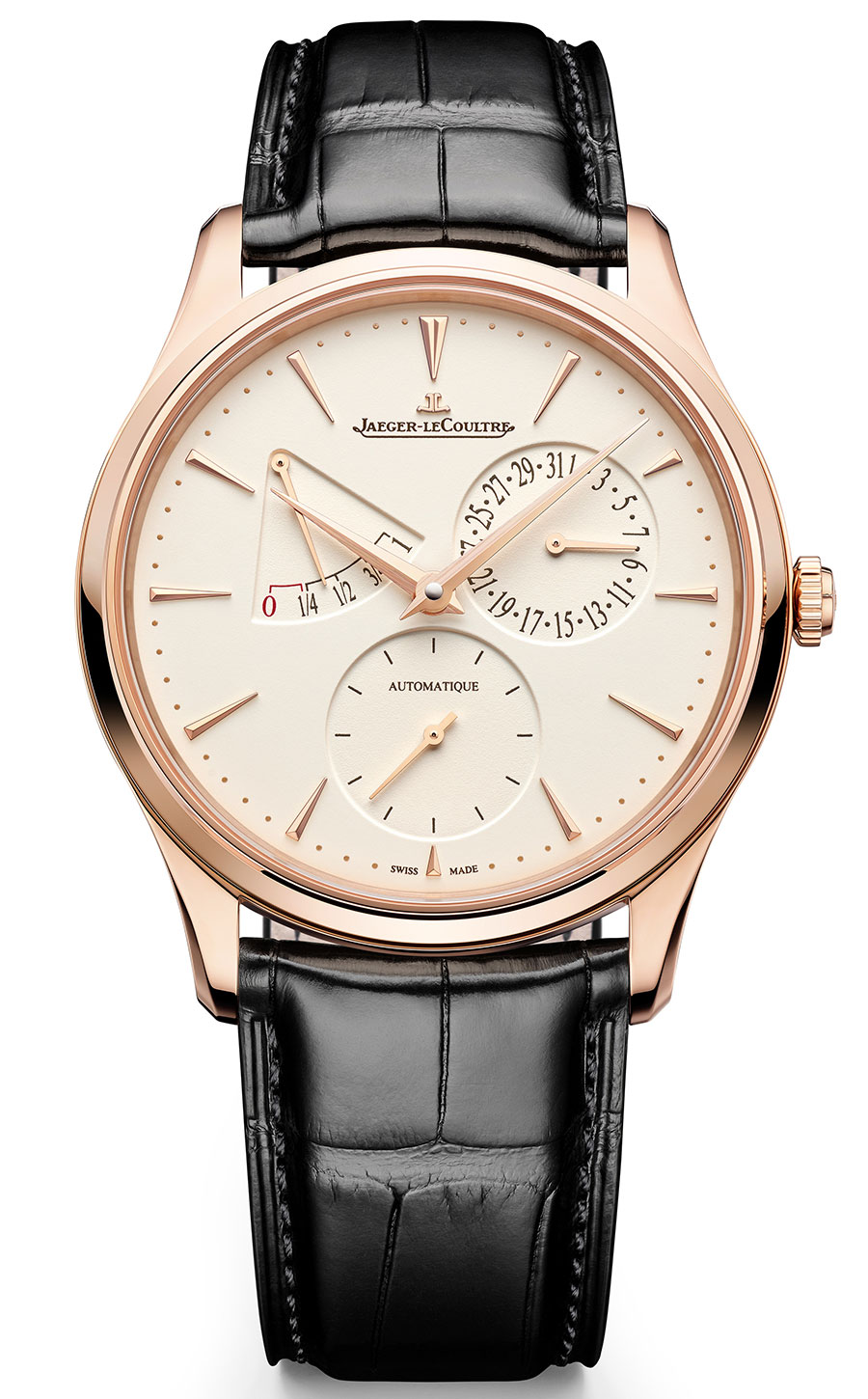
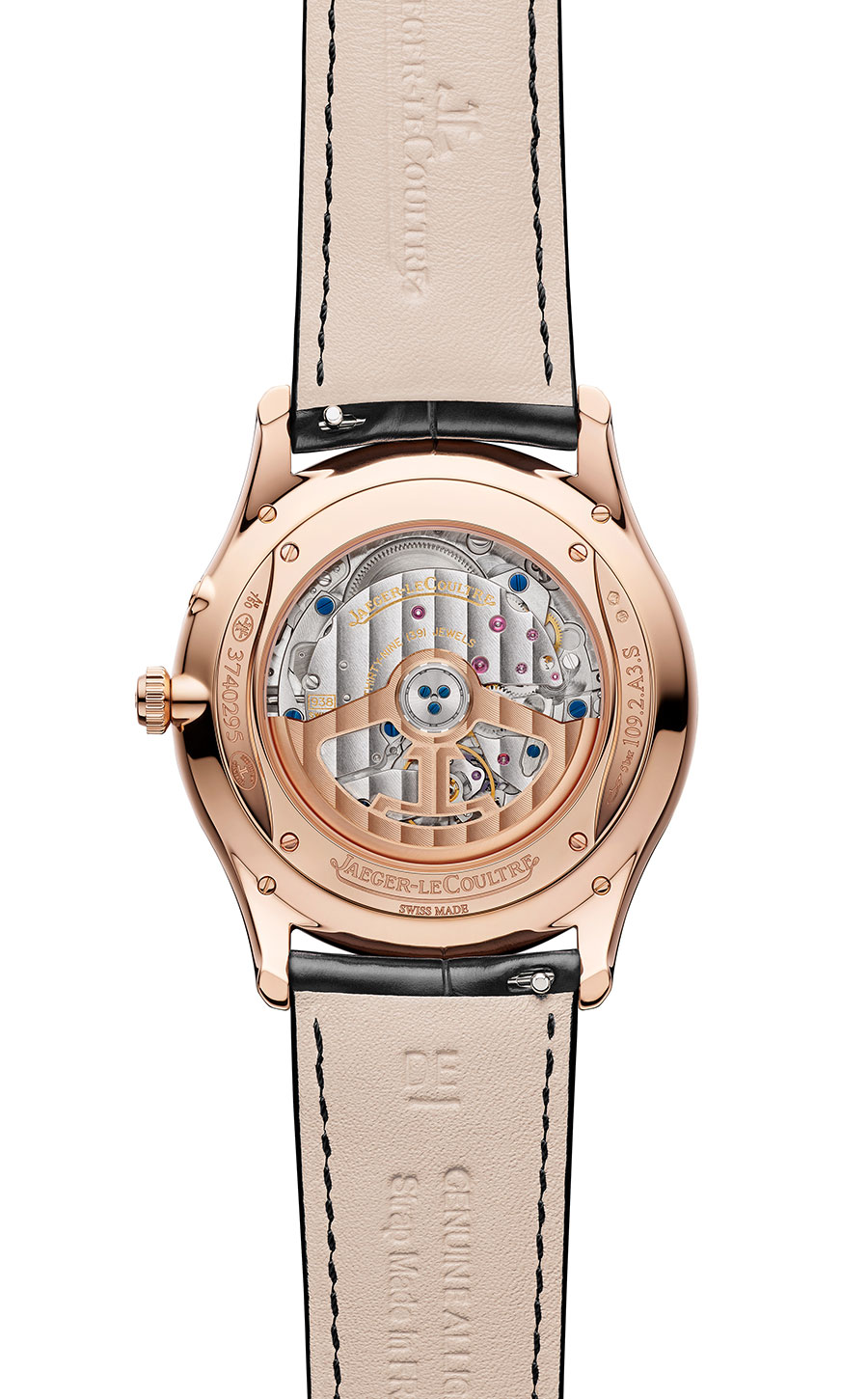
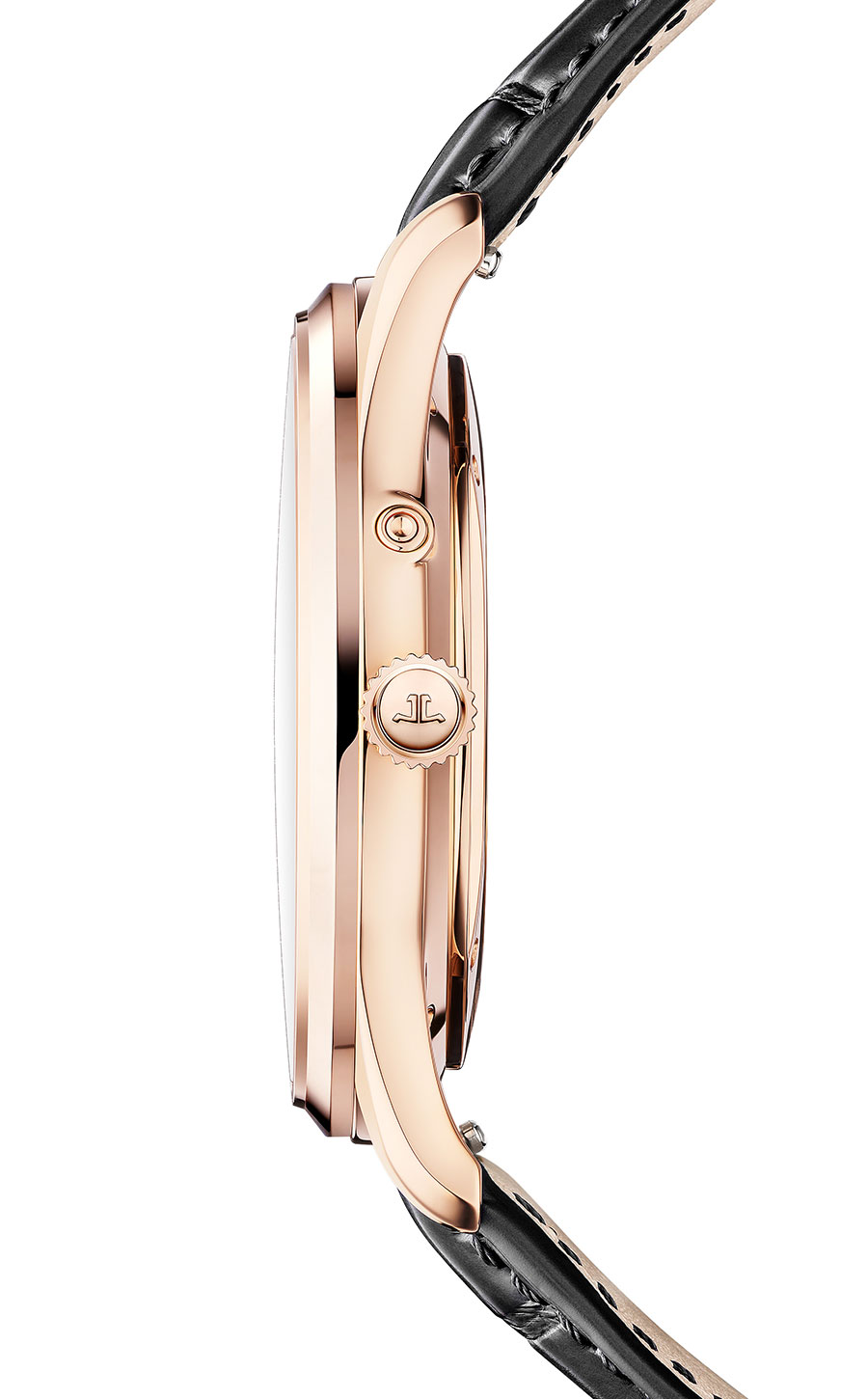
Now, this indicator is shaped as a gauge located between 9 and 11 o’clock on the new Master Ultra Thin Power Reserve that offers a power reserve of about 70 hours. The beige eggshell dial also features a small second (at 6 o’clock) and a date indicator with hands (between 1 and 3 o’clock). Despite such a number of elements, the dial remains refined – and thin, with a height of 8.95mm. At the back of this 39mm pink gold watch, a sapphire crystal reveals each thoroughly decorated cog of the calibre, including a pierced pink gold oscillating weight.
€24,400
See the technical specifications of the Master Ultra Thin Power Reserve.
High power reserve watches
Some watches are made to offer a big autonomy (5, 7 or 8 days, or even more). They usually showcase several barrels in a series, a longer mainspring or an optimized energy consumption. However, a bigger power reserve can sometimes impact the stability of the watch’s precision, if the energy delivered isn’t perfectly controlled. But high watchmaking houses have developed all the innovative and necessary technologies to prevent these issues.
BVLGARI, Octo Finissimo Skeleton 8 Days
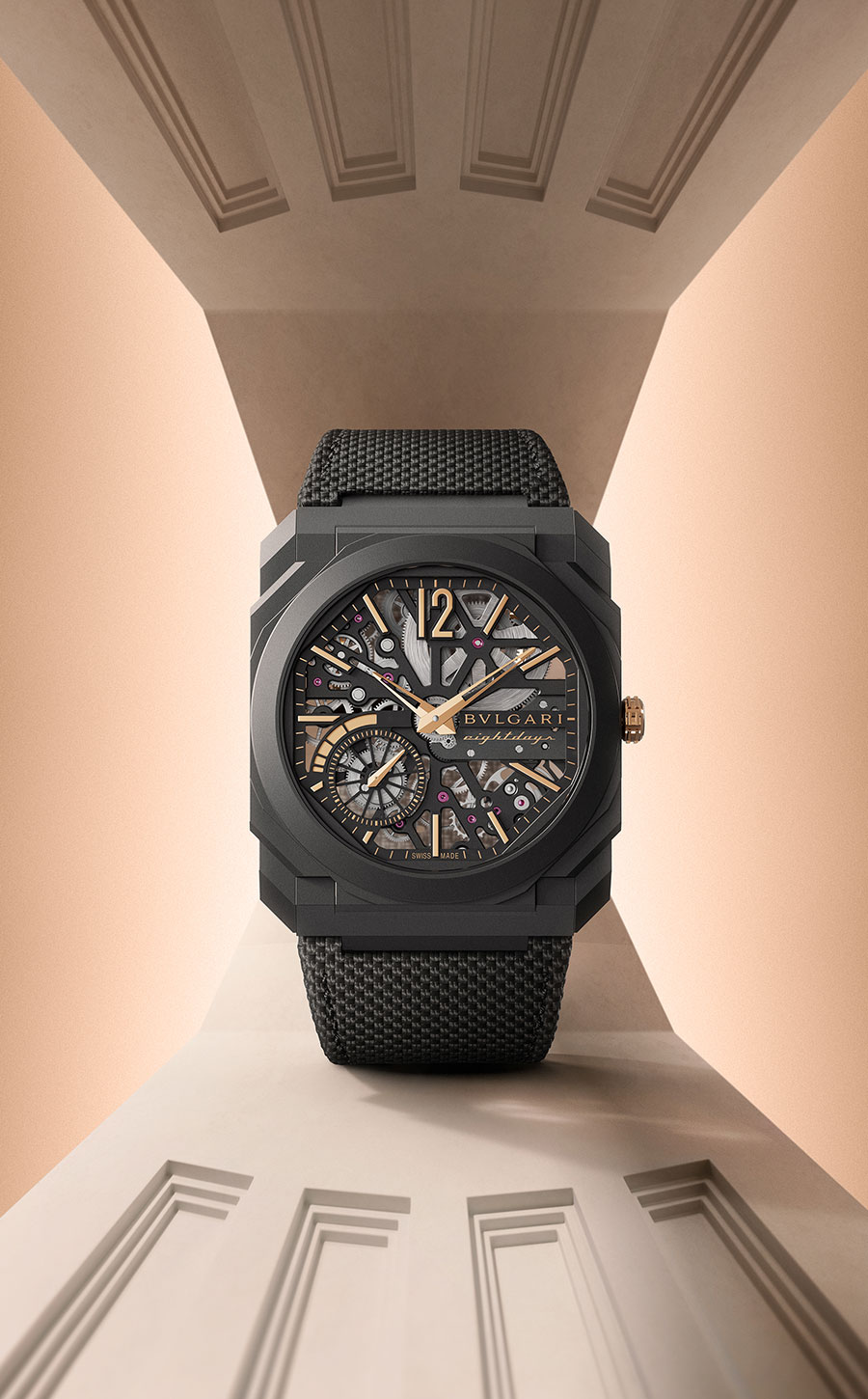
On this 40mm titanium model coated in black DLC, the power reserve indicator – about 192 hours – is materialized by an aperture shaped as pink gold graduations surrounding a small second counter. On the right, the dial reads “Eight Days”.
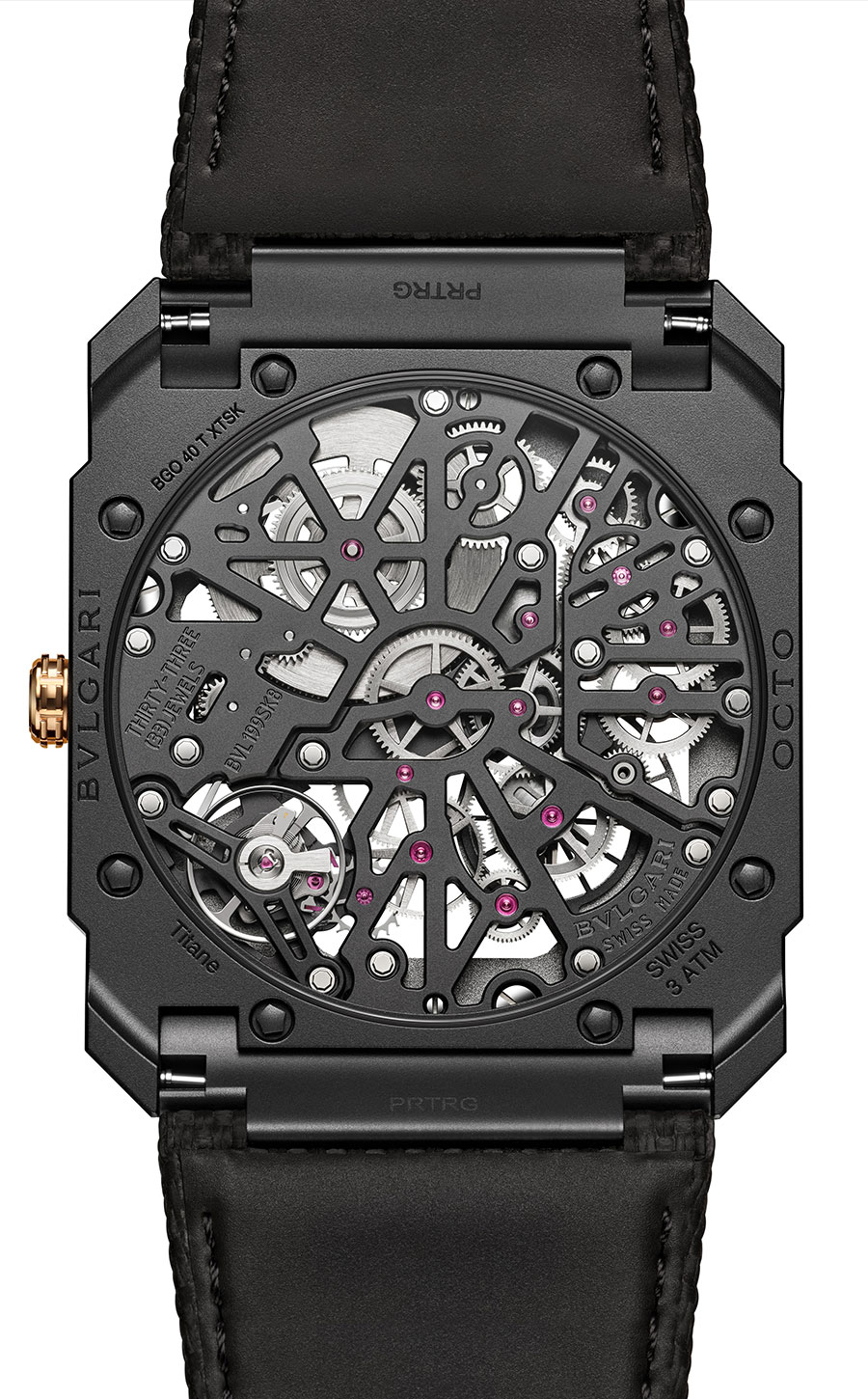
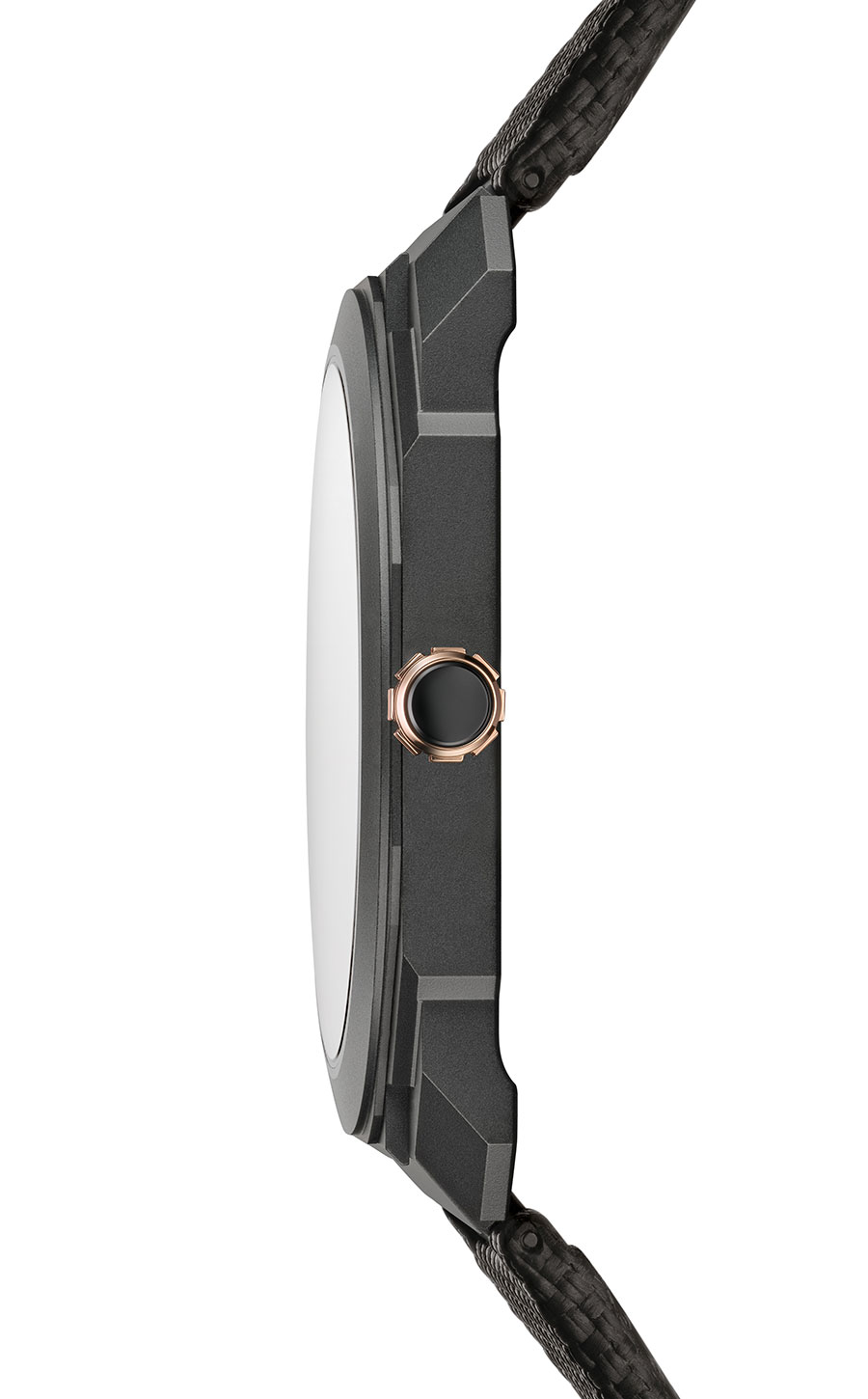
Water-resistant up to 30 meters, this watch successfully integrates a manual movement with a reduced height of only 2.5mm. Taking after the feat from which the Octo Finissimo collection originated, the caliber can be seen on both sides of the watch: via the skeletonized dial or the sapphire case back.
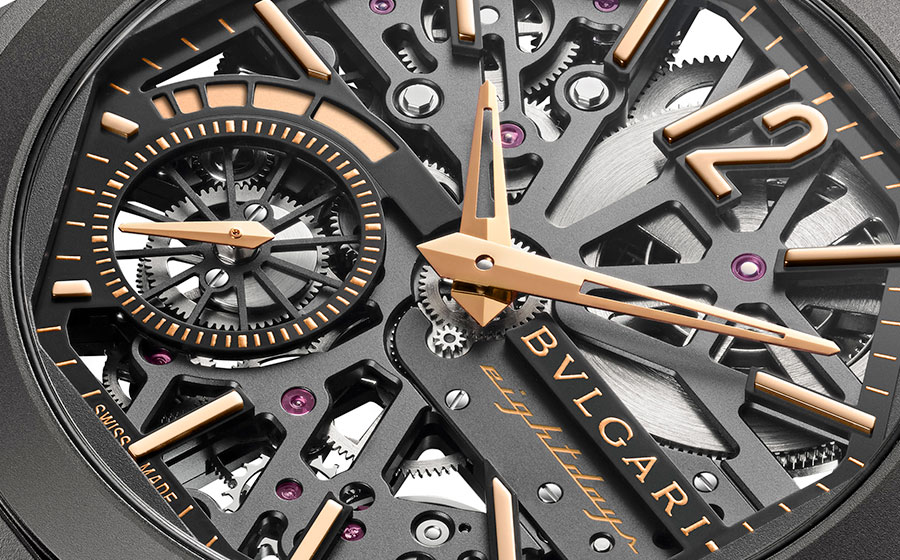
€28,000
See the technical specifications sheet of the Octo Finissimo Skeleton 8 Days
HUBLOT, Big Bang Meca-10 Frosted Carbon
This surprising instrument made out of frosted carbon is as atypical as avant-garde looking. Abandoning traditional dial features, its mechanical aspect was inspired by Meccano sets where every component is exposed.
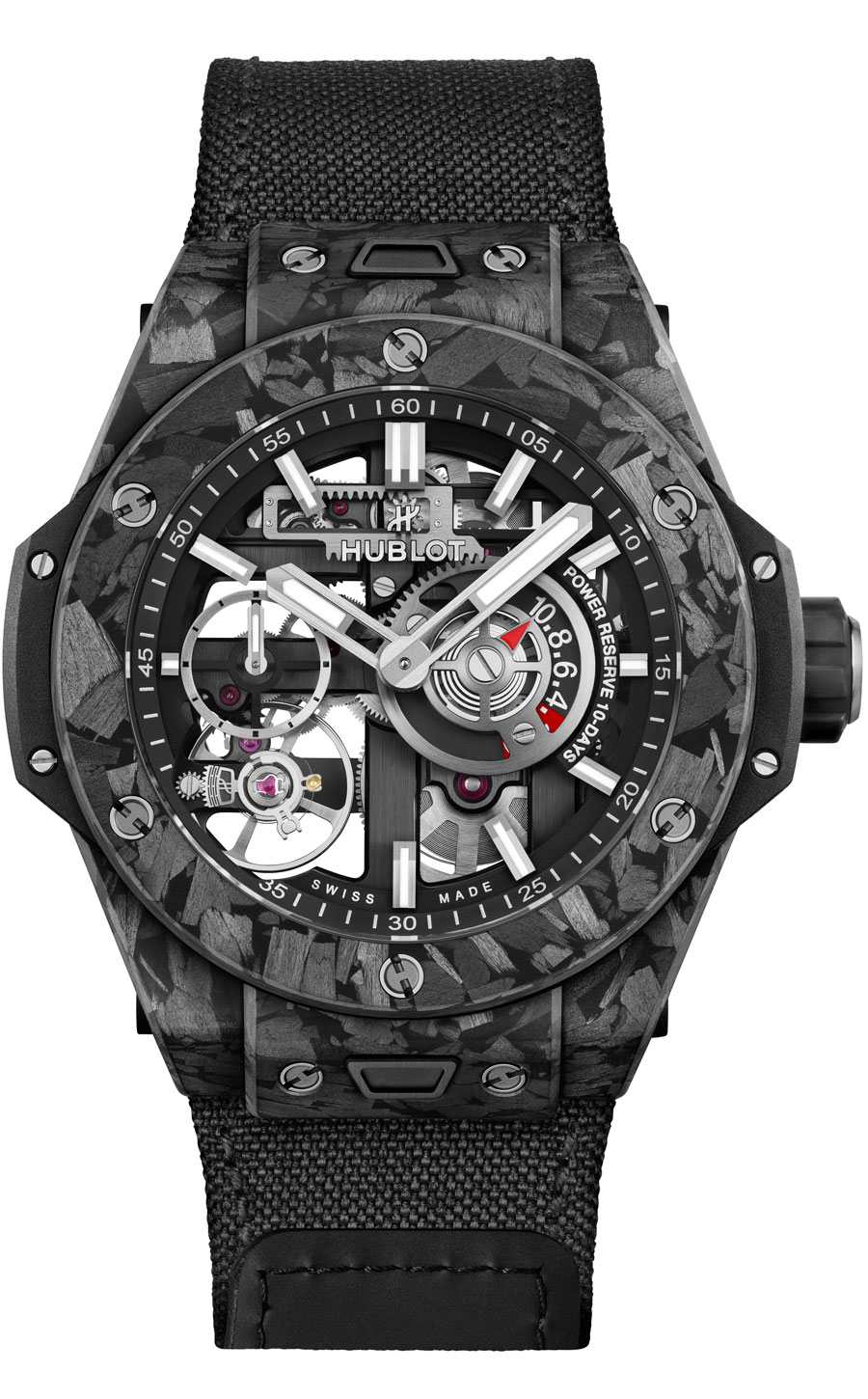
The movement designed as an architecture built layer upon layer offers an hypnotic peep at the cogs: 3 linear bridges, lifted surfaces and movements galvanically coloured to match the case’s tint. And of course, the MECA-10 signature: a 10 days power reserve, displayed through an atypical rack and pinion system. A duo of discs rotating in opposite directions, connected by a sort of mini-barrel spiral spring, makes for a differential display as surprising as intuitive.

Learn more about the Big Bang Meca-10 Frosted Carbon:
€29,400
See the technical specifications sheet of the Big Bang Meca-10 Frosted Carbon
IWC, Big Pilot’s Watch AMG G 63
As the first model by IWC to be equipped with a ceramic matrix composite (CMC) case, Big Pilot’s Watch AMG G 63 displays a power reserve indicator shaped as a counter located at 3 o’clock.
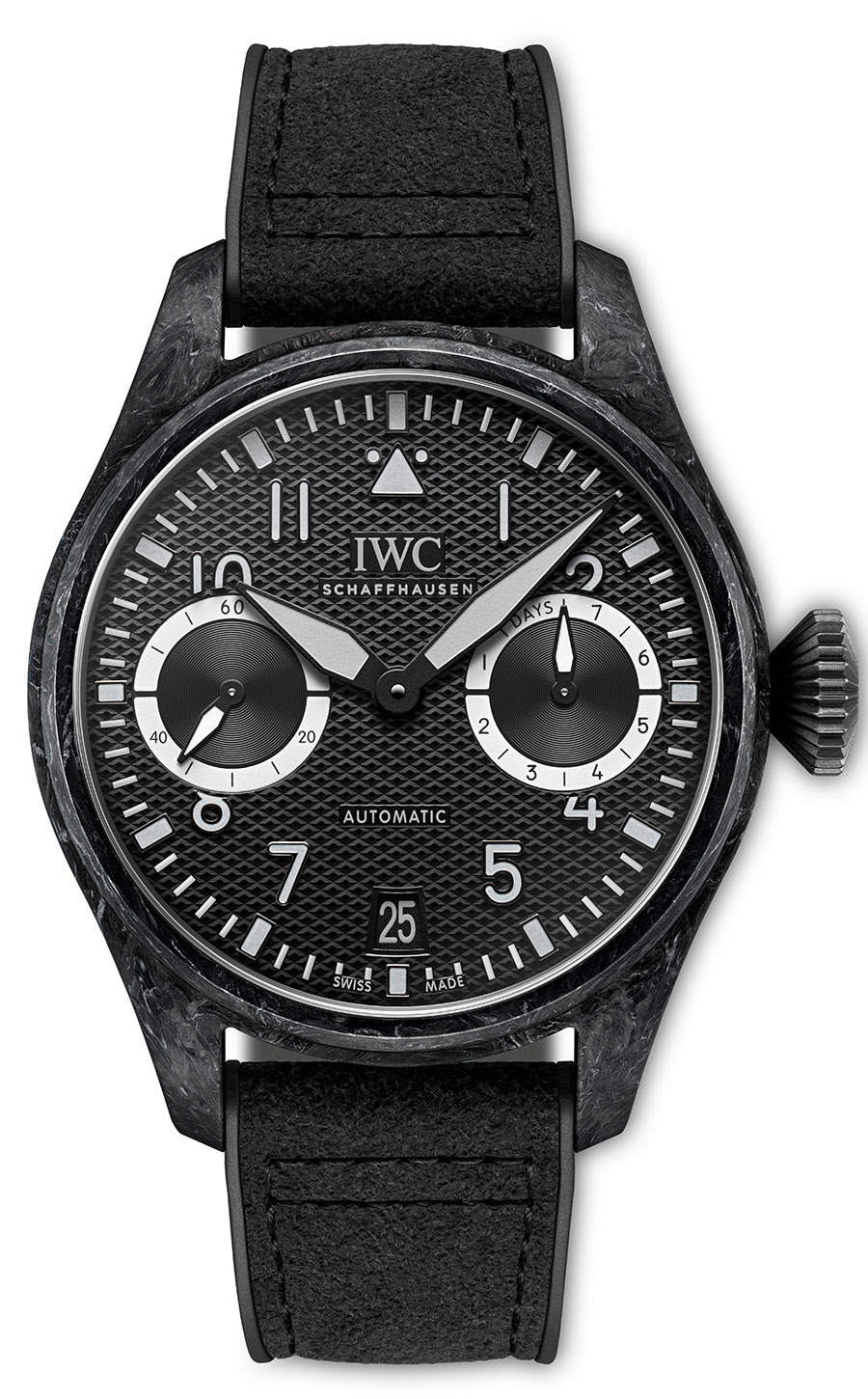
Offering a power reserve of about 168 hours (meaning 7 days of autonomy), this sub-dial echoes the small second counter at 9 o’clock. Circled by white rings, their shape is a tribute to the headlights of the G-class series by Mercedes. They sit on a black textured dial whose surface reminds of the cold air intake of a Mercedes-AMG. With a date aperture at 6 o’clock, the dial is protected by a sapphire glass that can resist depressurization. The hands, numerals and indices are coated in a luminescent substance to enhance legibility.
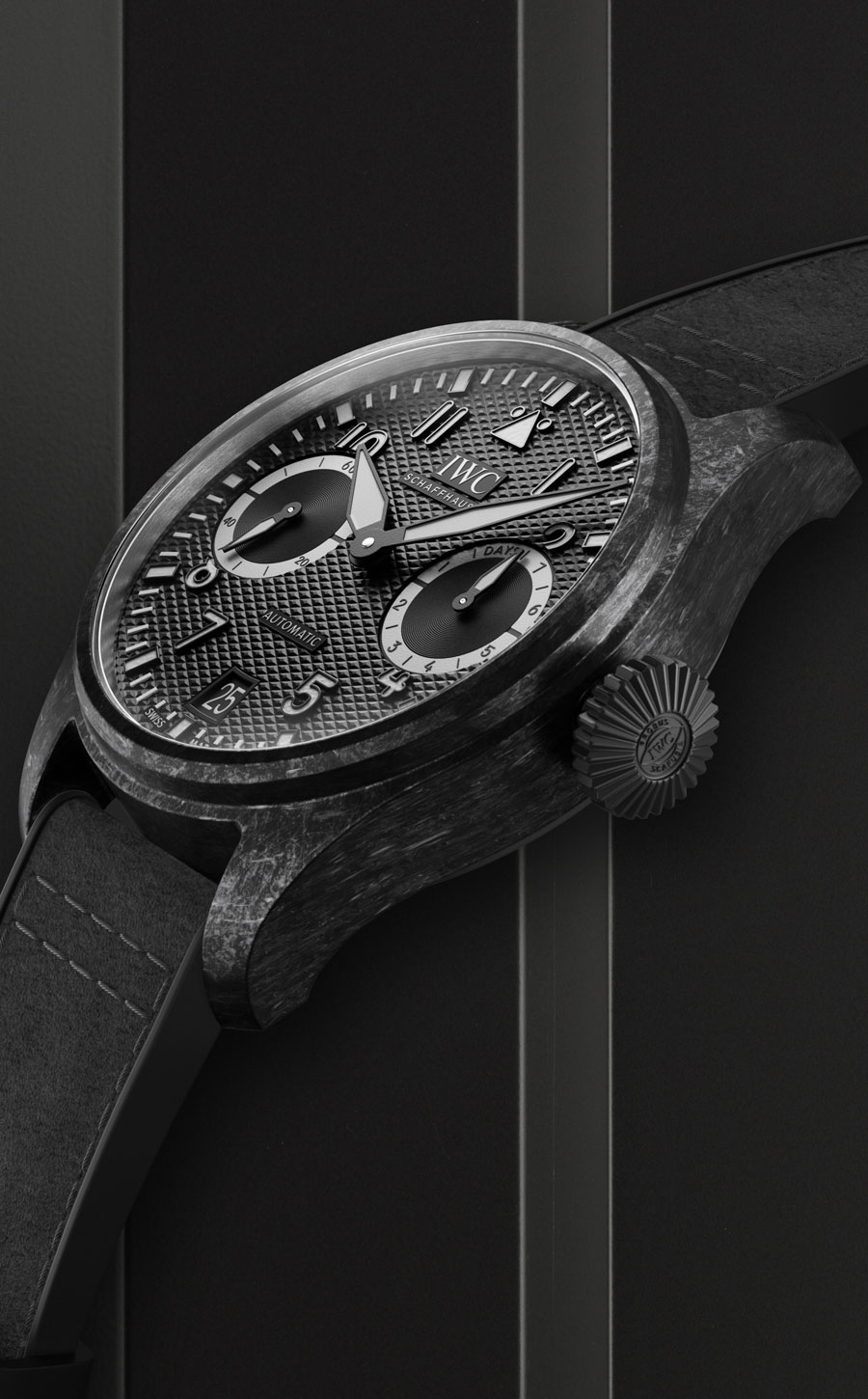
The manufacture calibre is equipped with sturdy zirconia ceramic components, two barrels that ensure a comfortable power reserve and an automatic Pellaton self-winding system. The cogs of this precise mechanism can be seen through the sapphire case back printed with a star that evokes the wheel cover on the back of a Mercedes-Benz.

€49,300
See the technical details of the Big Pilot’s Watch AMG G 63
PANERAI, Luminor Equation of Time GMT Titanio
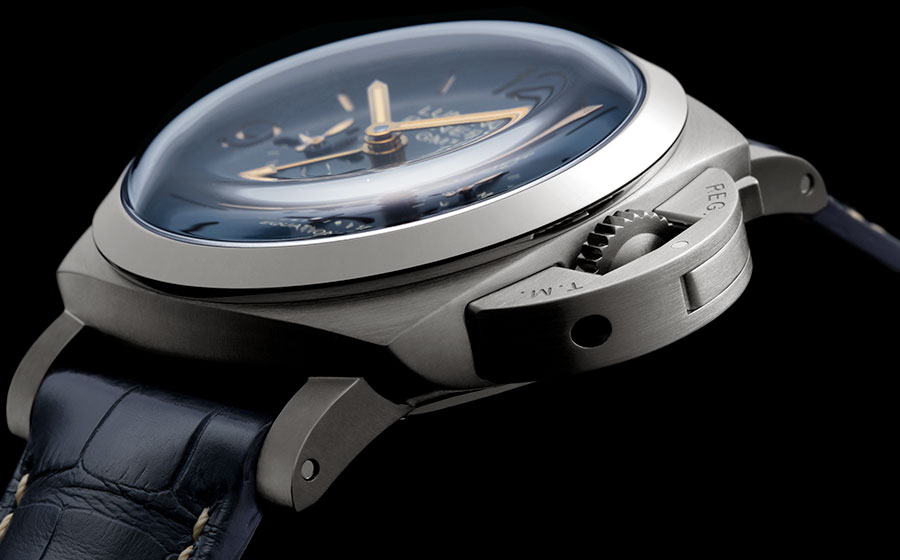
The emblematic design of the Luminor 1950 Equation of Time 8 Days GMT model – a 47mm satin-finished titanium case, a crown guard equipped with a lever and a blue sun-brushed sandwich dial – hides a concentrate of useful complications as well as an 8-day power reserve. At the back, the indicator visible through a sapphire crystal allows the wearer to control the remaining energy with accuracy.
The watch is powered by a manual movement entirely designed and assembled in Panerai’s manufacture. Made of 329 components, including 3 barrels, it ensures an exceptional autonomy of 192 hours.

This energy exploit is surrounded by numerous functions: a second time zone with a GMT central hand, an AM/PM, date and month indicator, a second reset mechanism and a quick setting of the time. But the most fascination dimension remains the equation of time. This astronomic complication displays, via a linear indicator located at 6 o’clock, the gap between true solar time and mean solar time – a differential that can reach about 15 minutes depending on the period of the year.
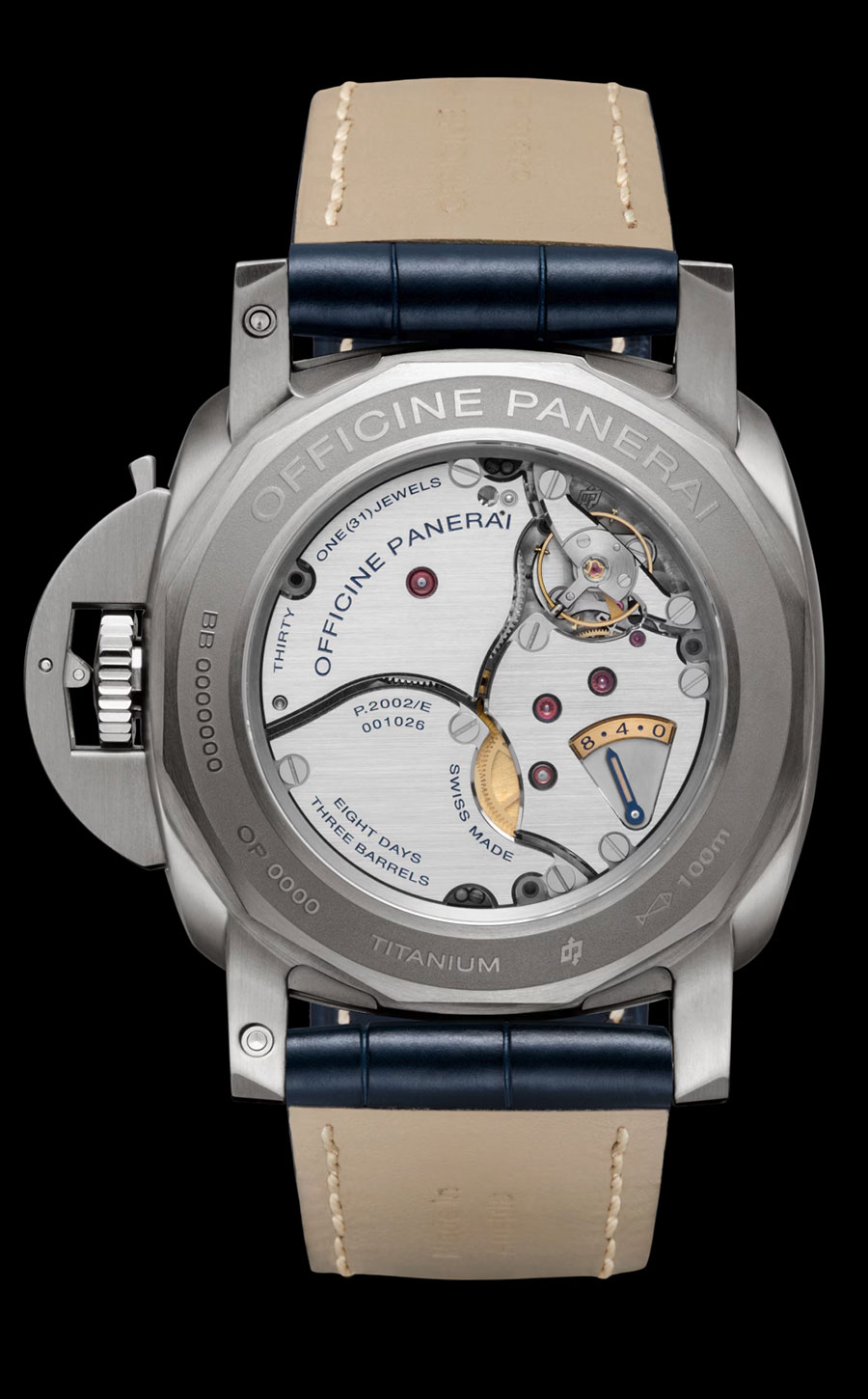
Water-resistant up to 100 meters, this edition is delivered on a Navy-blue leather strap. A rubber strap in the same colour is also available.
€25,200
See the technical details of the Luminor Equation of Time GMT Titanio
Mechanical watches with manual winding
In a manual mechanical watch, the energy is stored in a mainspring coiled inside the barrel. Spinning the crown compresses the mainspring. The power reserve mainly depends on the length and the width of the spring, the number of barrels and the efficiency of the movement. It usually varies between 40 and 72 hours, but some watches can reach several days. If the watch isn’t wound up before the reserve goes empty, it stops.
NOMOS GLASHÜTTE, Metro Date Power reserve
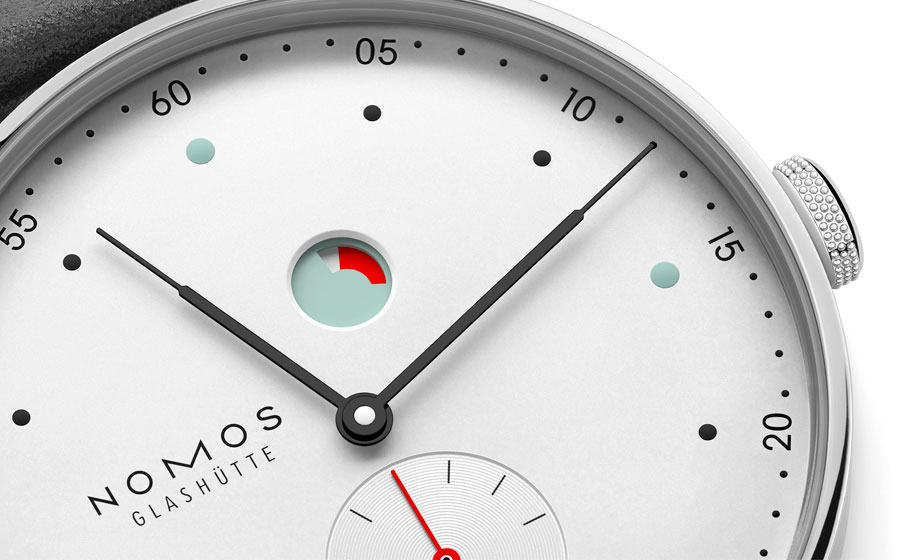
With this Metro Date Power reserve, Nomos Glashütte launches a designer piece. The refined lines and the graphic details of this model hide a fine machinery, whose power reserve is one of the major assets. With a 37mm stainless-steel case and a heigh of only 7.7mm, this watch stands out by its alluring refined lines. The dial, zinc coated and white silver-plated, is punctuated with red and mint green dots. It enhances the heat burnished hands that are as thin as the tip of a feather. The red seconds hand adds a dynamic touch, while the large date aperture is a nod to its Saxon ancestry (the Panorama Date by Glashütte Original or the Outsize Date by A. Lange & Söhne).

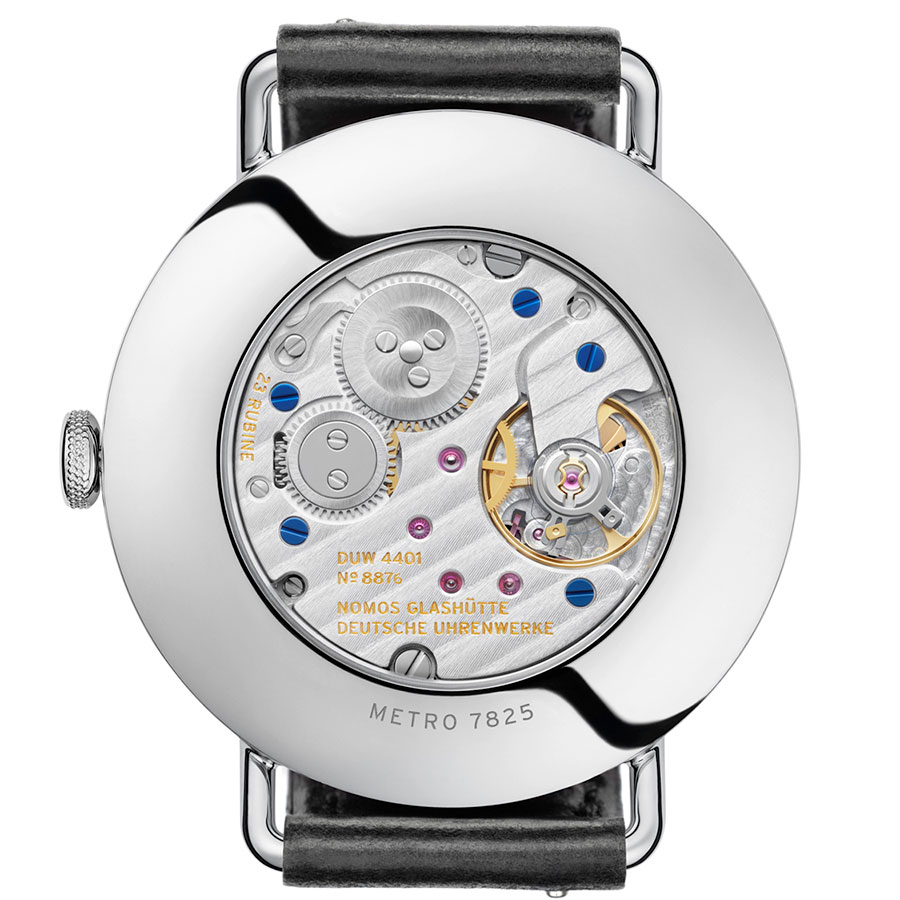
But the essential detail lies at 1 o’clock: the mint green power reserve indicator rotates from white to red – making this interaction intuitive and almost playful. Much more than a simple counter, it establishes a direct contact between the watch and its owner, who immediately knows when to wind it up. This manual calibre, manufactured in Glashütte, integrates NOMOS swing system. With a height of only 2.8mm, it offers a power reserve of 42 hours. As the first Metro model to ever integrate such complication, this reference stands out by its minimalistic design: sophisticated outlines, and a smart display of the power reserve. Functional, legible and very modern.
€3,360
See the technical details of the Metro Date Power reserve model
Quartz watches
Quartz watches are powered by a battery or a rechargeable battery. Thus, their power reserve corresponds to the life time of the battery, which can last between 1 and 5 years, or even more. Some watches show the depletion of the battery, thanks to an EOL (End Of Life) indicator – this way, the seconds hand jolts every 4 seconds. Many Tissot watches feature this function.
In the case of quartz watches, people tend to talk more about autonomy than power reserve, although the principle remains the same.
Conclusion
The power reserve is a major parameter in the watchmaking industry: it measures the energetic autonomy of a watch once its mechanism is wound up entirely. It varies depending on the type of movement (manual, self-winding, quartz) and the calibre’s design.
Watch also:
Read also: