145 years of Seiko: 6 timepieces to tell the story
From Japan’s very first wristwatch and the Astron GPS Solar, to Prospex dive watches, the elegance of King Seiko, and the refinement of Presage — Seiko marks its 145th anniversary with six limited editions that perfectly sum up nearly a century and a half of innovation.
Back in 1881, in Tokyo’s Ginza district, a 21-year-old entrepreneur opens a modest clock repair and sales shop. His name: Kintaro Hattori. “Always one step ahead of the rest” is a motto that quickly goes from a catchy tagline to the driving force behind an industrial journey which is one-of-a-kind. For if Seiko has built a reputation over the decades as one of the world’s premier watchmakers, it is because it was leading the tide rather than just swimming with it.

The first Japanese wristwatch in 1913, the country’s first wrist chronograph in 1964, Japan’s first diver’s watch in 1965, the world’s first quartz wristwatch on the market, launched in 1969… Every generation of Seiko seems to have pushed the boundaries of its era just a bit further. This creative drive also brought Seiko Blue into life in the 1960s — a deep shade that became an authentic hallmark of the brand.
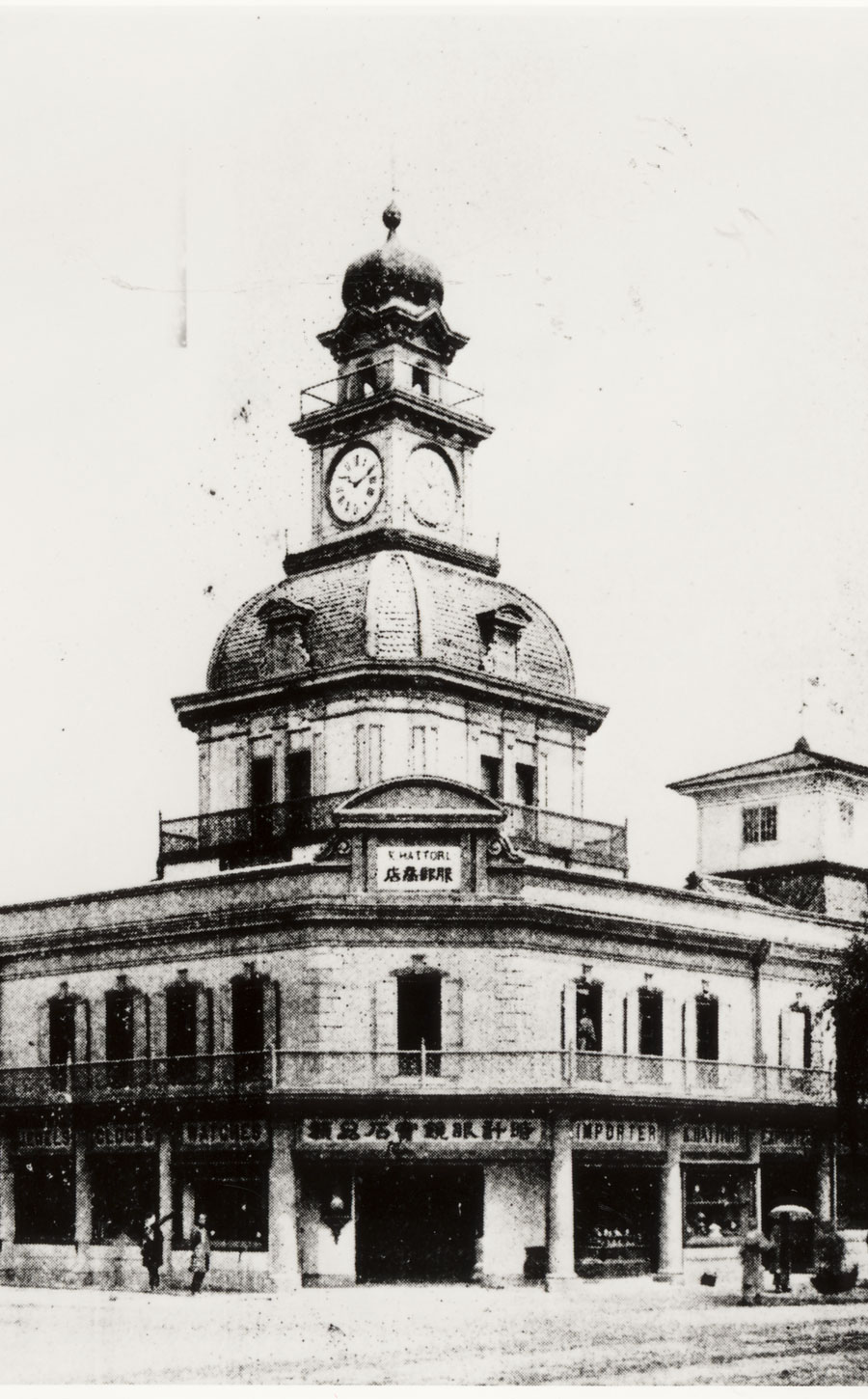

1932: Opening of a new headquarters featuring a clock tower that would later become Seiko House Ginza.
Seiko: 145 years of watchmaking history
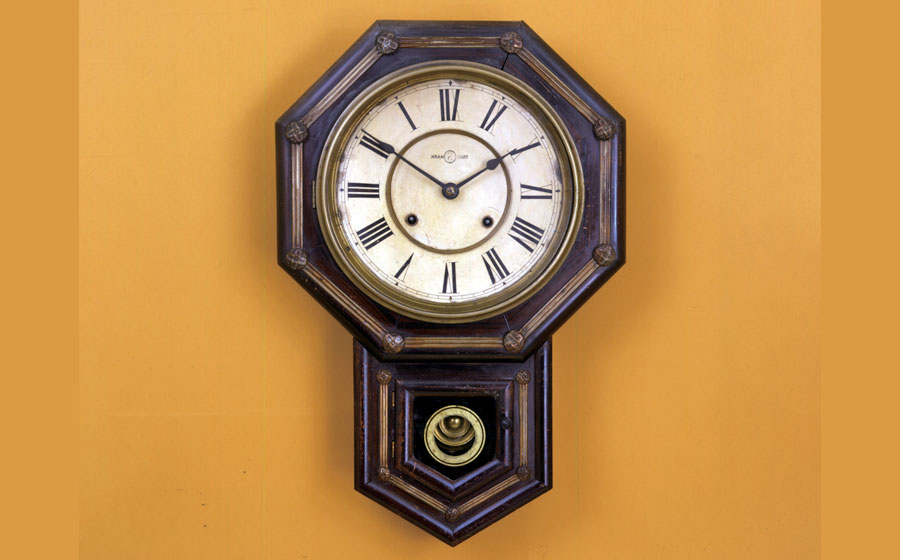
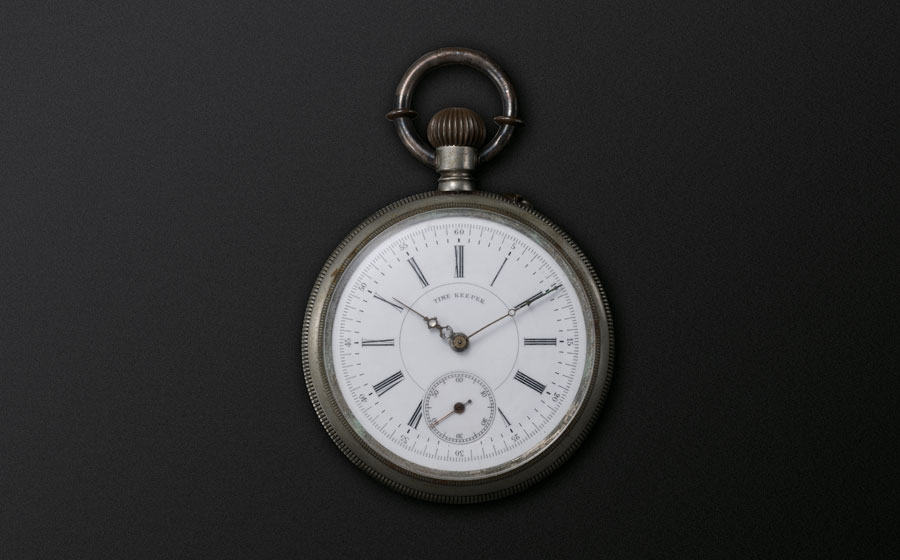
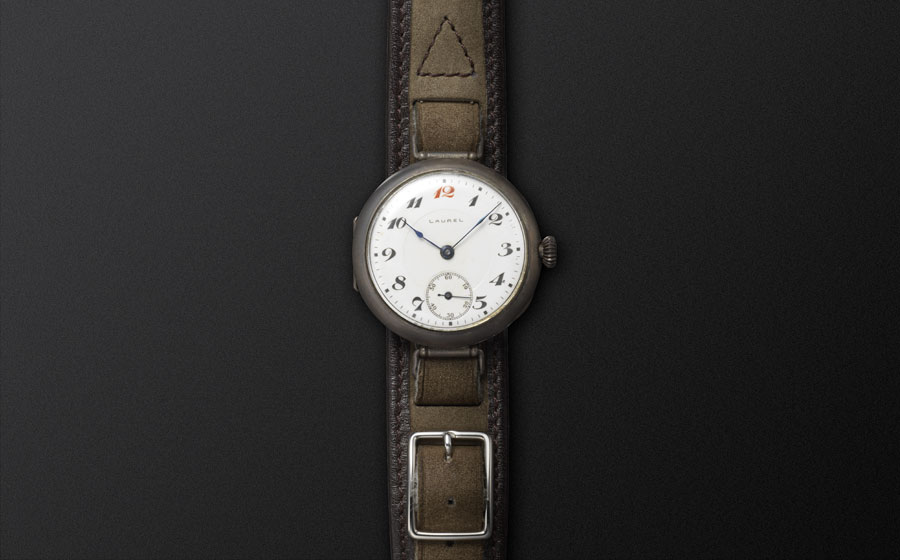
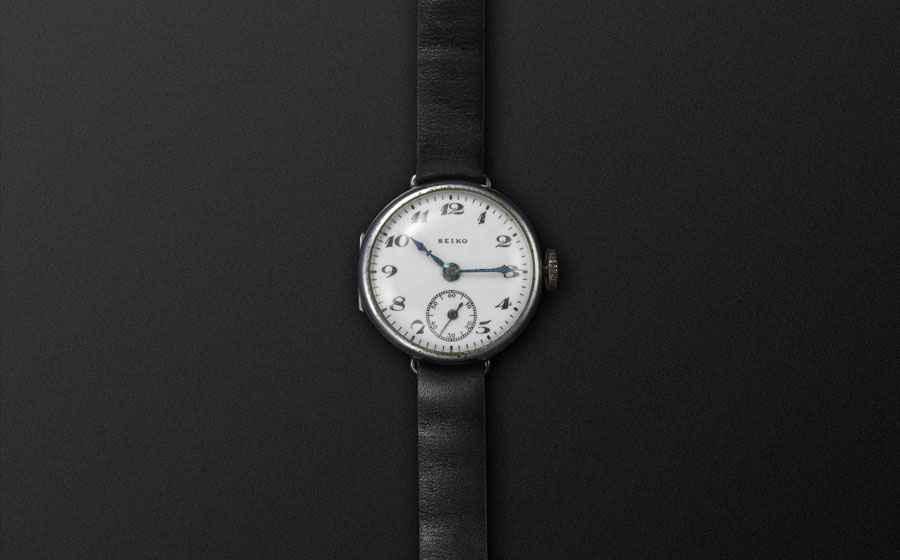

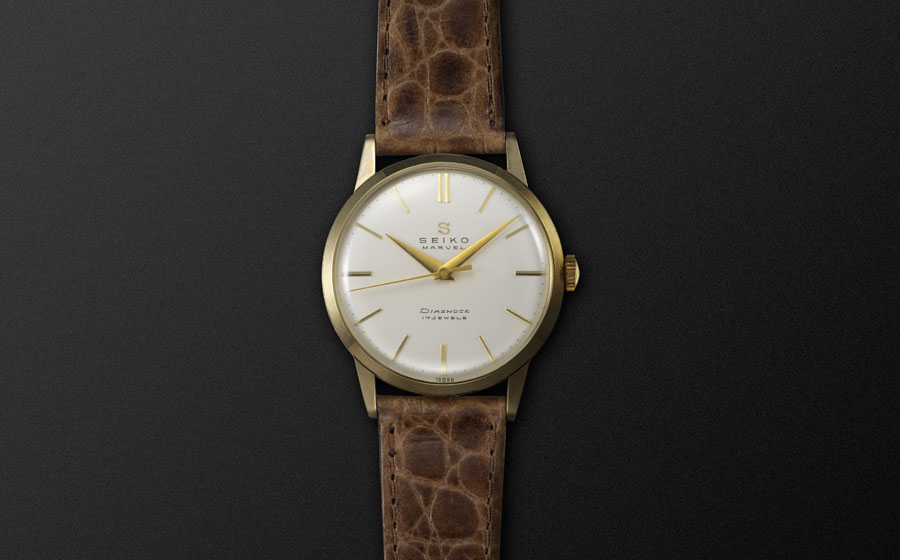
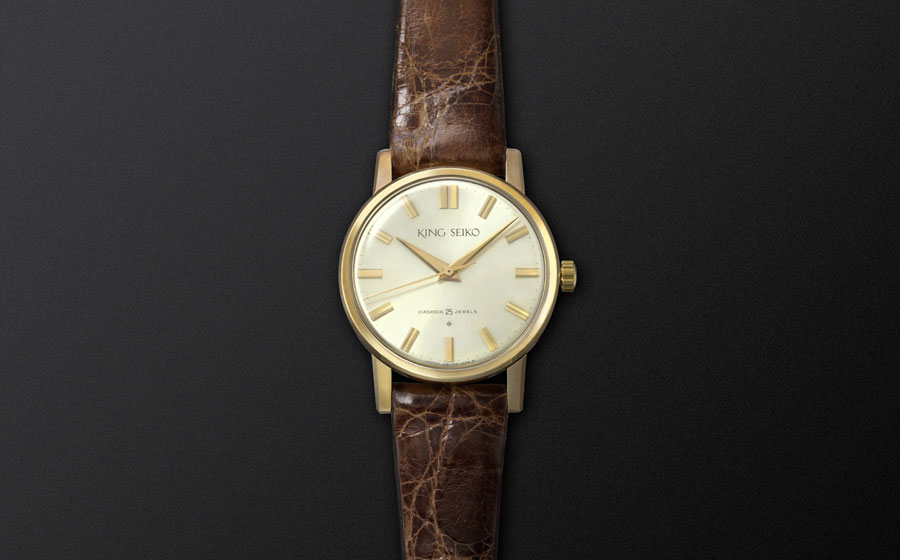
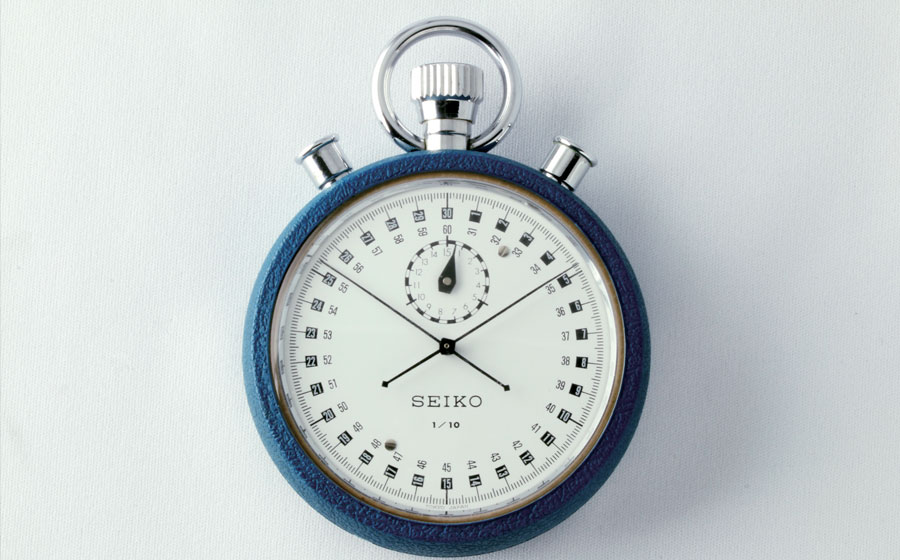
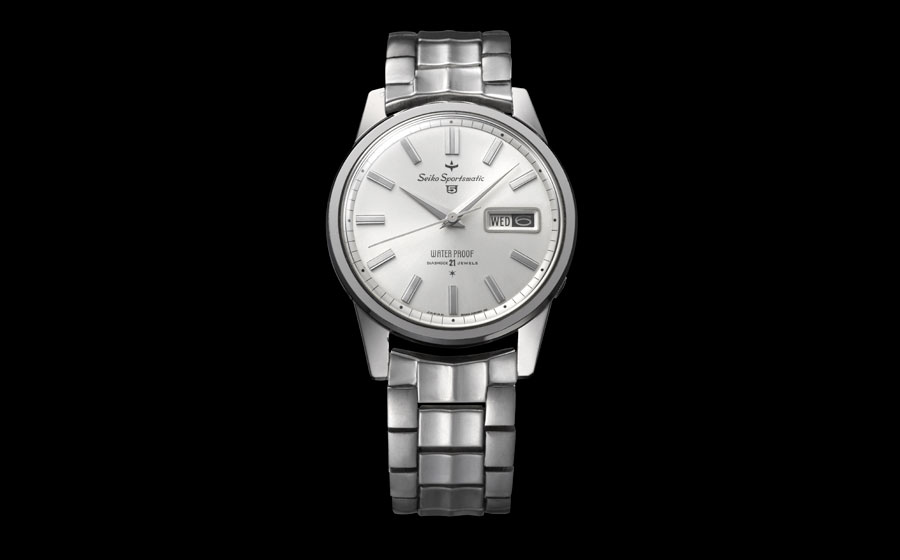
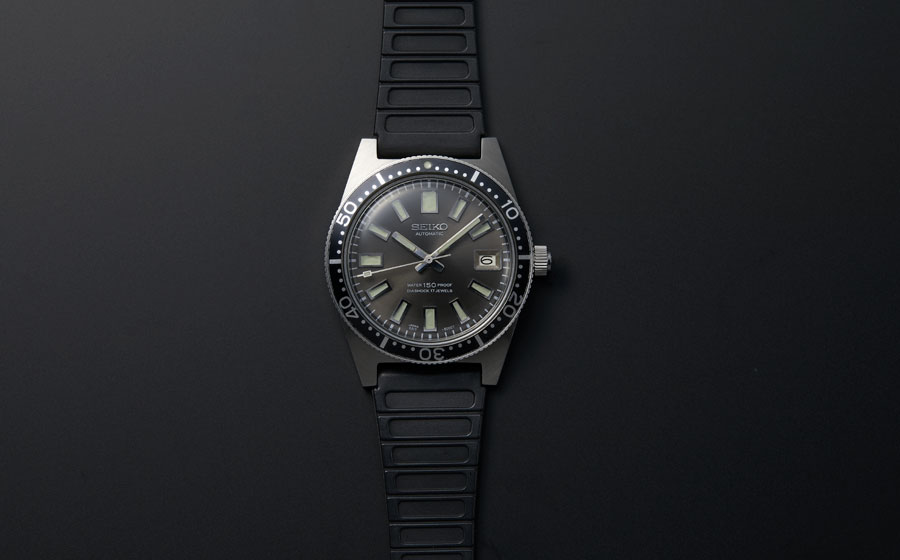
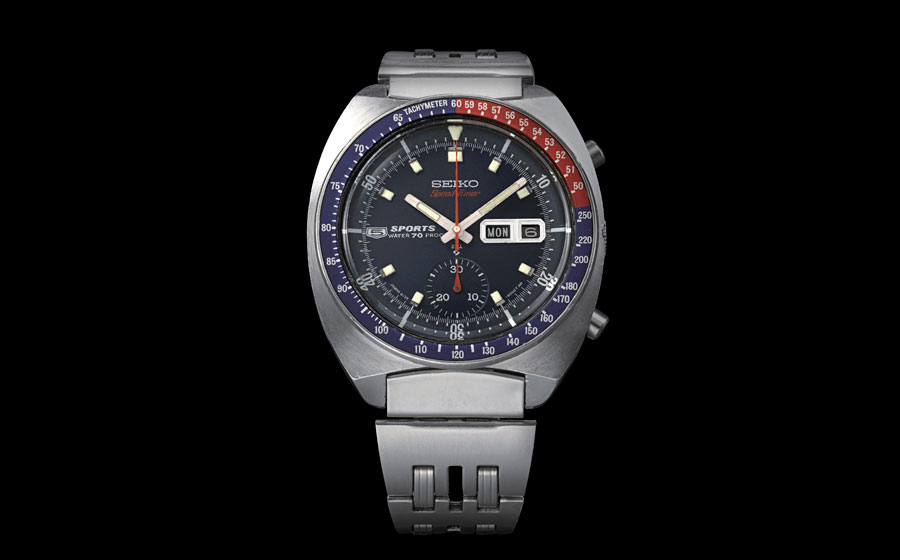
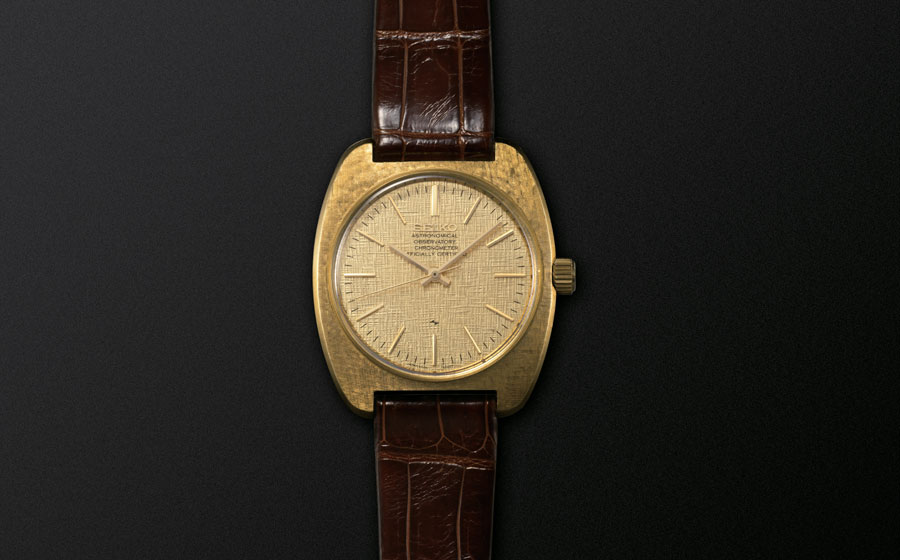

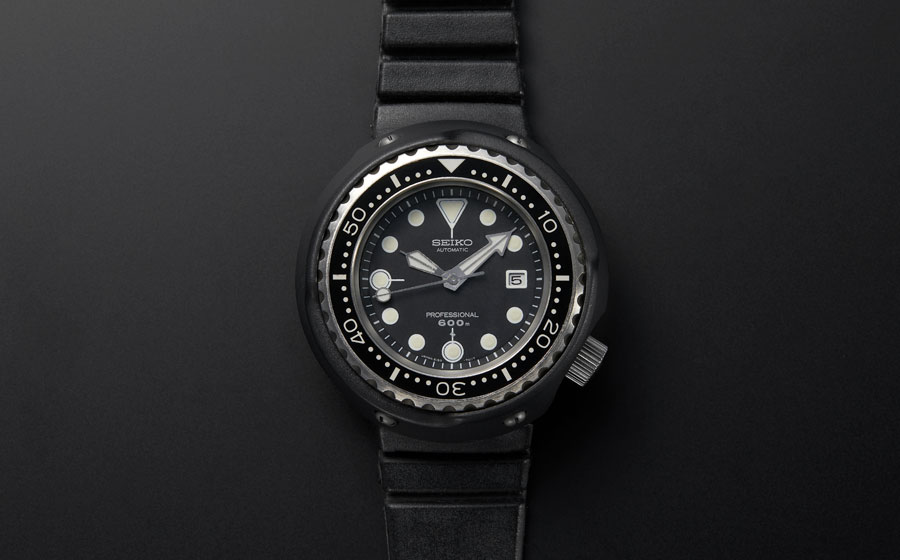
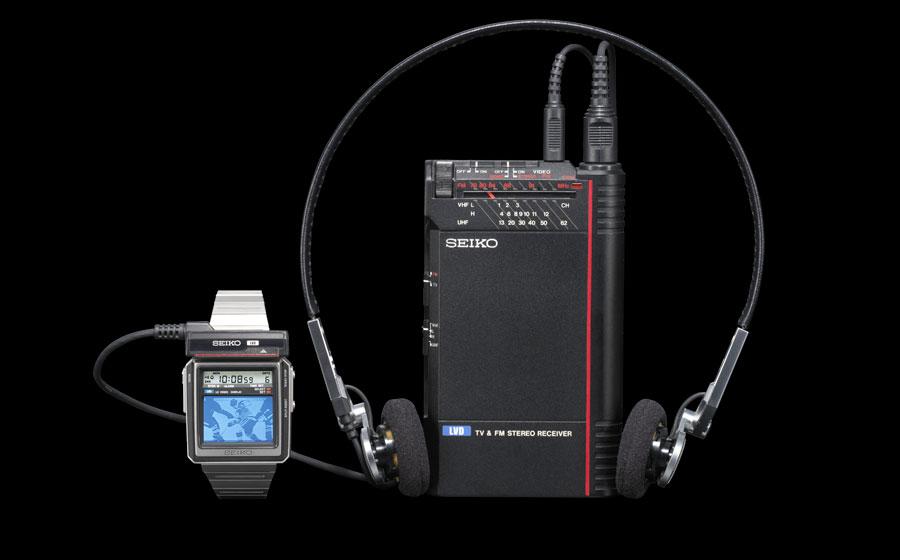
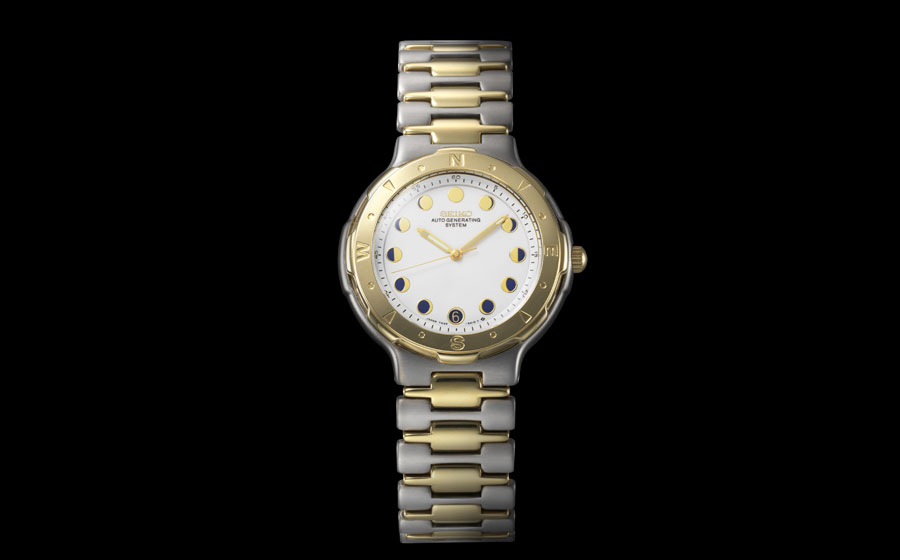
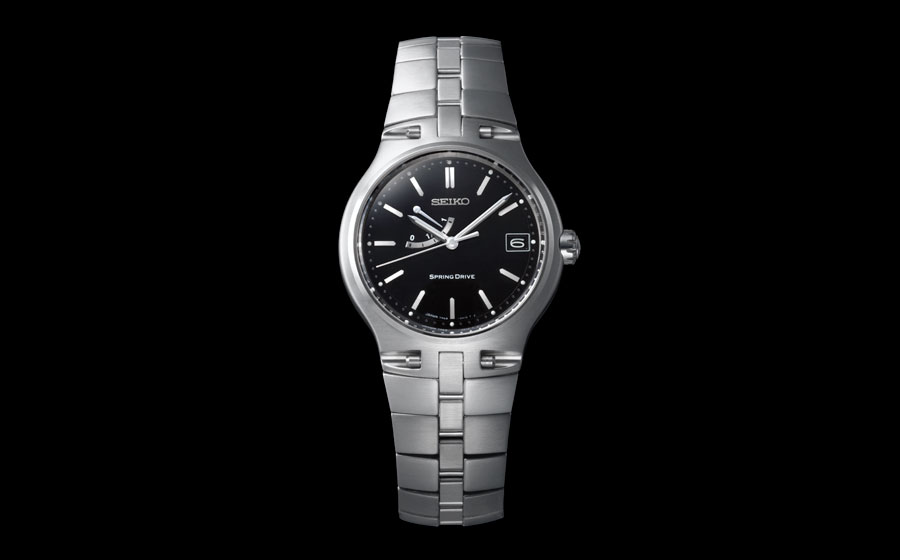
To mark its 145th anniversary, the Japanese house did far more than just revamping a single iconic model. It has unveiled six limited-edition timepieces across four of its greatest hallmark lineups. Six timepieces, each telling a distinct chapter of a story thread through technological innovation, traditional craftsmanship, mechanical elegance, and spirit of adventure.

The various outlooks of a manufacture
If every watch enthusiast knows Seiko today, it is thanks to the special design of each model of its lineup. The anniversary models are a particularly fine case in point. Take the new Prospex 1965 Heritage Diver’s 145th anniversary limited edition and the Prospex Samurai 145th anniversary limited edition.
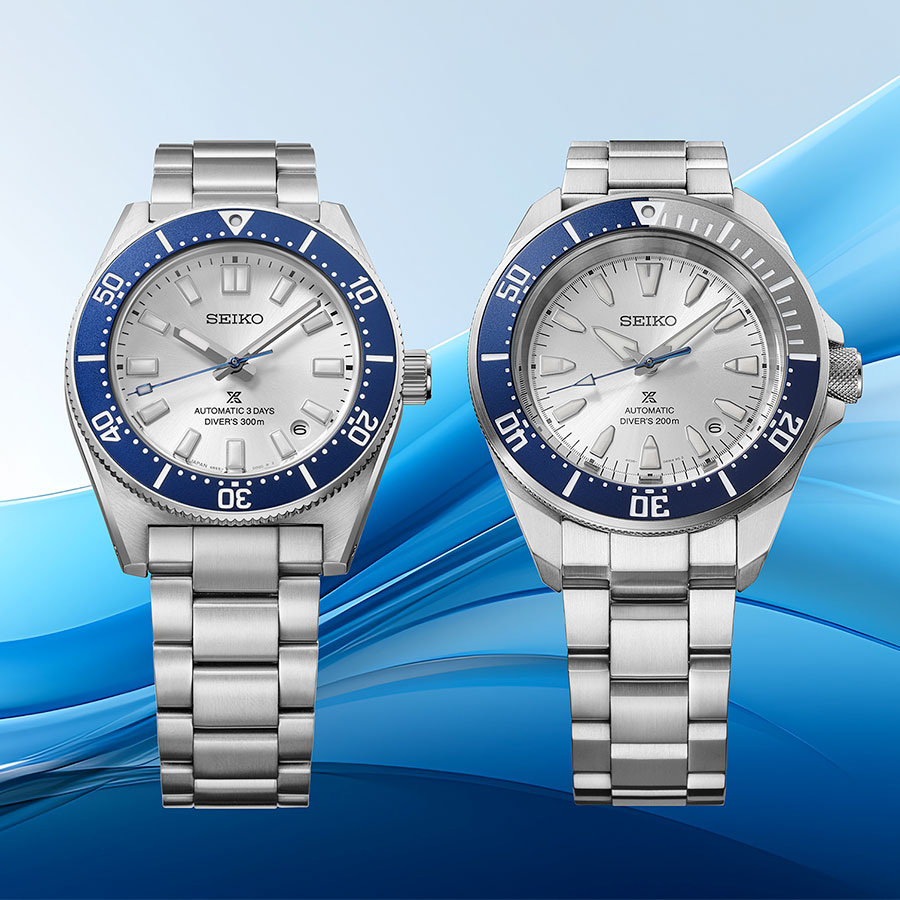
At Prospex, it is time to explore. A worthy successor to the first Japanese diver’s watch from 1965, the lineup remains true to its original purpose: to accompany both professionals and enthusiasts in the most demanding environments. The first limited edition captures the timeless lines of the 1965 Heritage Diver, now powered by a self-winding calibre. It boasts a 3-day power reserve. Water-resistant to 300 metres, it pairs a silver-white dial with a navy-blue bezel and a matching seconds hand: a nod to the hallmark Seiko Blue which ties together all the anniversary editions. What is more, the clasp highlights an ingenious micro-adjustment mechanism. Thus, you can adapt the bracelet on the fly to fit your wrist perfectly — whether you are diving or just going about your day.

A Seiko Prospex 1965 Heritage Diver featuring subtle blue accents inspired by Seiko Blue.
The second Prospex brings a more contemporary feel. Its sharply faceted — almost sculpted — case asserts a sportier personality. The two-tone aluminium bezel (silver for the first fifteen minutes, blue for the rest of the scale) serves as its visual hallmark. Powered by a sturdy self-winding calibre, this limited edition highlights the serious style credentials a watch can have.
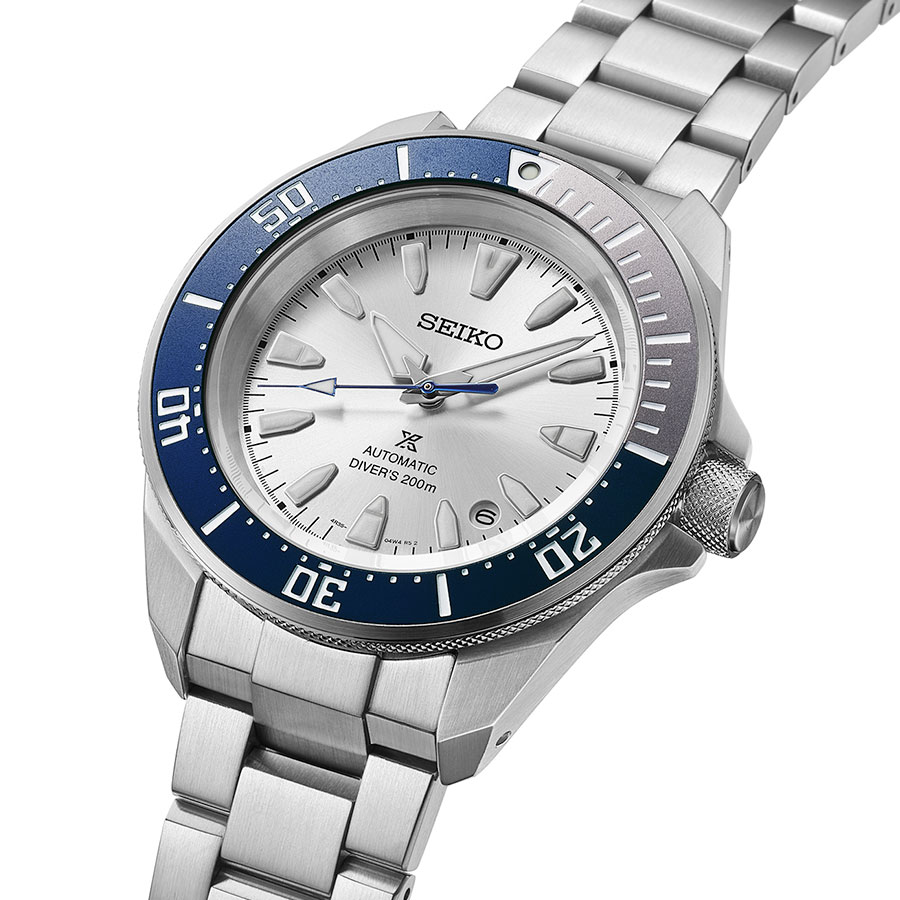
The watch stands out thanks to its two-tone aluminium bezel insert. It highlights a silver-coloured finish for the 0–15-minute scale and blue for the rest.
Conversely to this utilitarian universe, the Presage lineup reminds us that Seiko is also a manufacture deeply rooted in Japan’s decorative arts. Of the six pieces unveiled, this is undoubtedly the standout model. For the first time, the lineup showcases an Arita porcelain dial finished with a cobalt blue glaze — the fruit of a massive development to achieve such remarkable depth of colour on a surface so delicately thin.
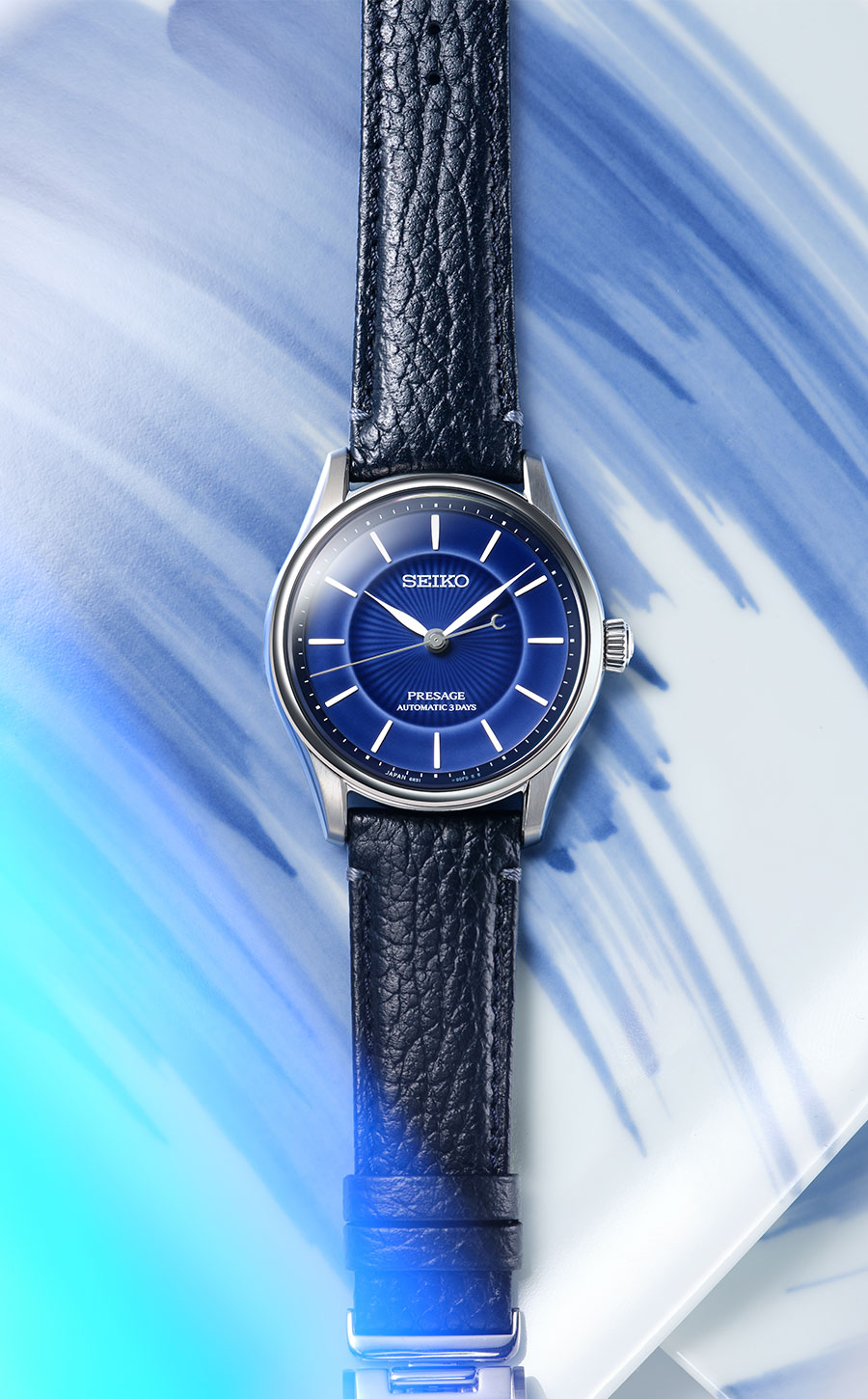
Supervised by master craftsman Hiroyuki Hashiguchi, each dial is crafted through a rigorous traditional process, where moulding, firing, and finishing follow one another with the utmost thoroughness. Beneath this understatement, the timepiece epitomises one of the finest expressions of Japanese know-how. Powered by a self-winding calibre boasting a 72-hour power reserve, it also introduces a new case design created to showcase the dial’s richness.
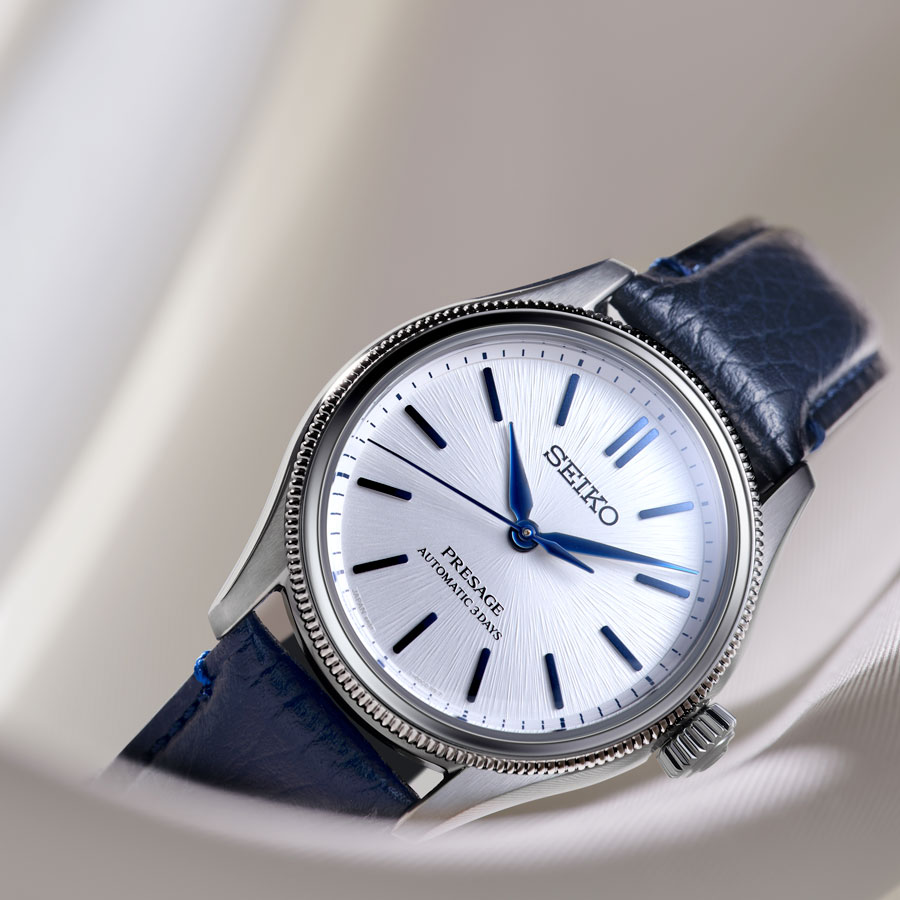
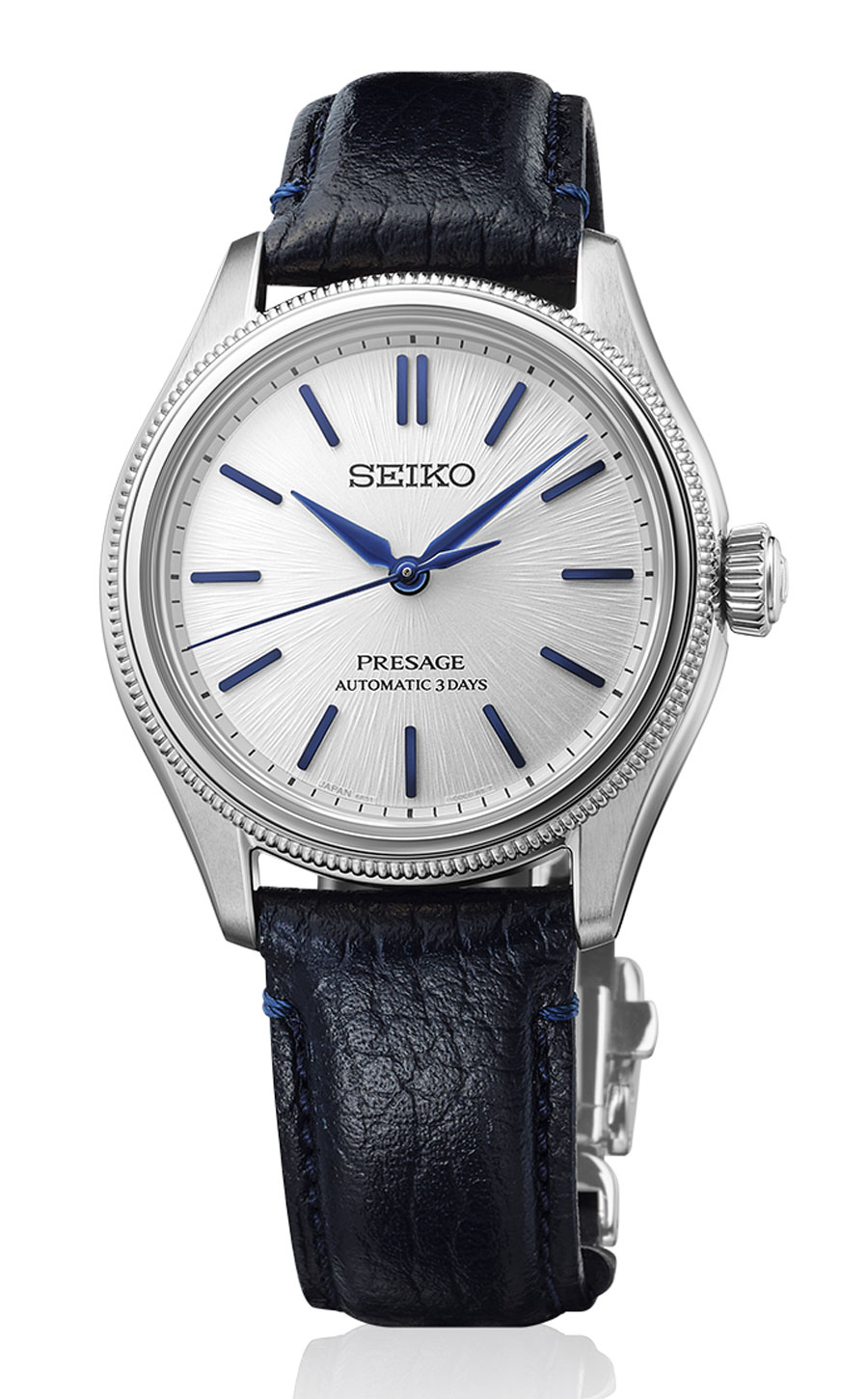
The second Presage explores another facet of this traditional craft. It takes its cues from shironeri silk — that pristine white achieved by refining the fibres. The dial’s delicate texture reminds us of the softness of the fabric. The blue hands and hour markers lend a subtle contrast to the silvered surface. More classic in tone, this limited edition shares the same calibre and comes with a leather strap sourced from Leather Working Group-certified tanneries.
145 years of Seiko: bridging heritage and innovation
King Seiko demonstrates this ability to revamp the heritage. Launched in 1961, the lineup reflected Seiko’s ambition to craft premium mechanical timepieces combining thoroughness with elegance. A few years later, the Vanac line introduced a more daring aesthetic, with angular shapes and bold colours.
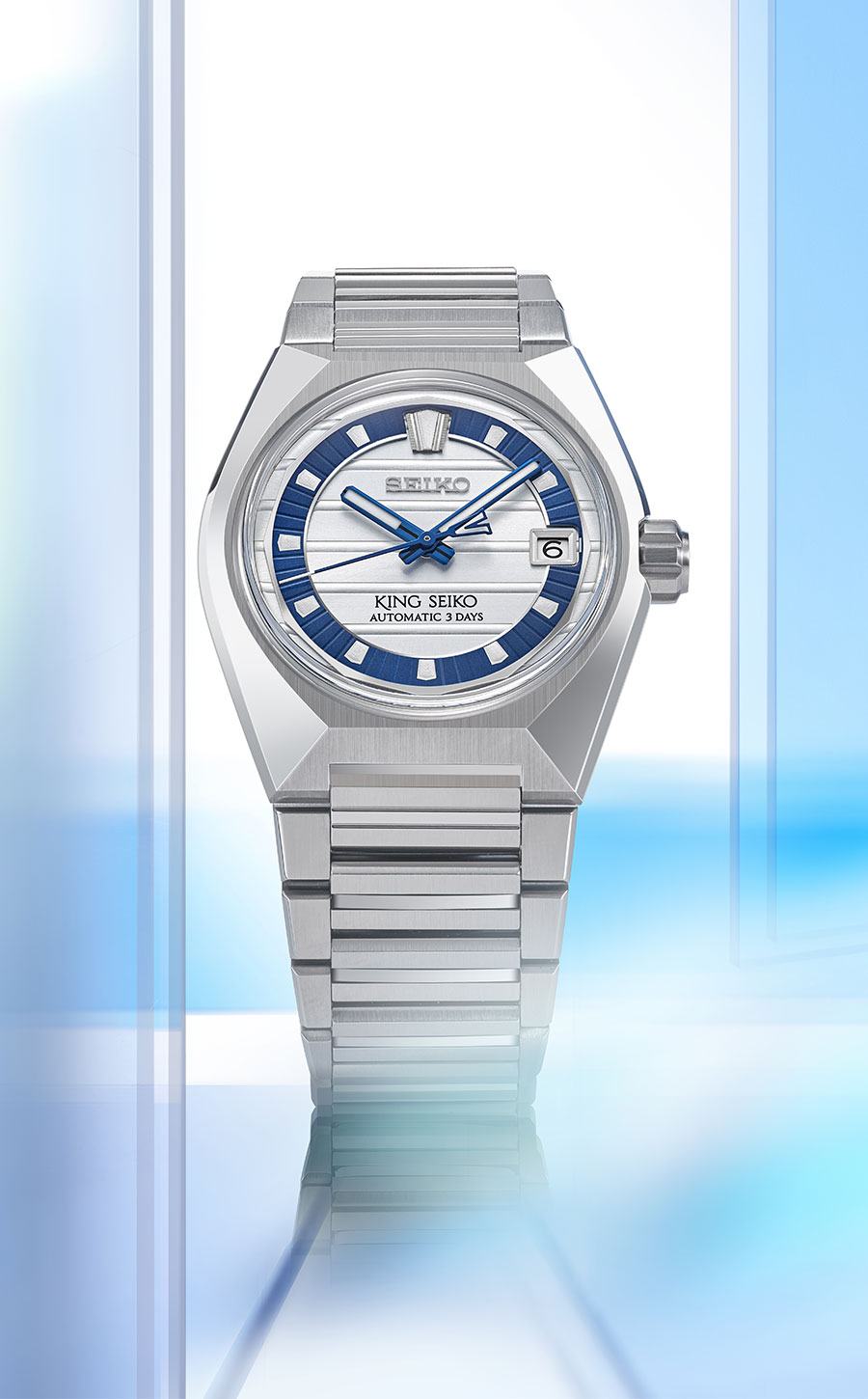
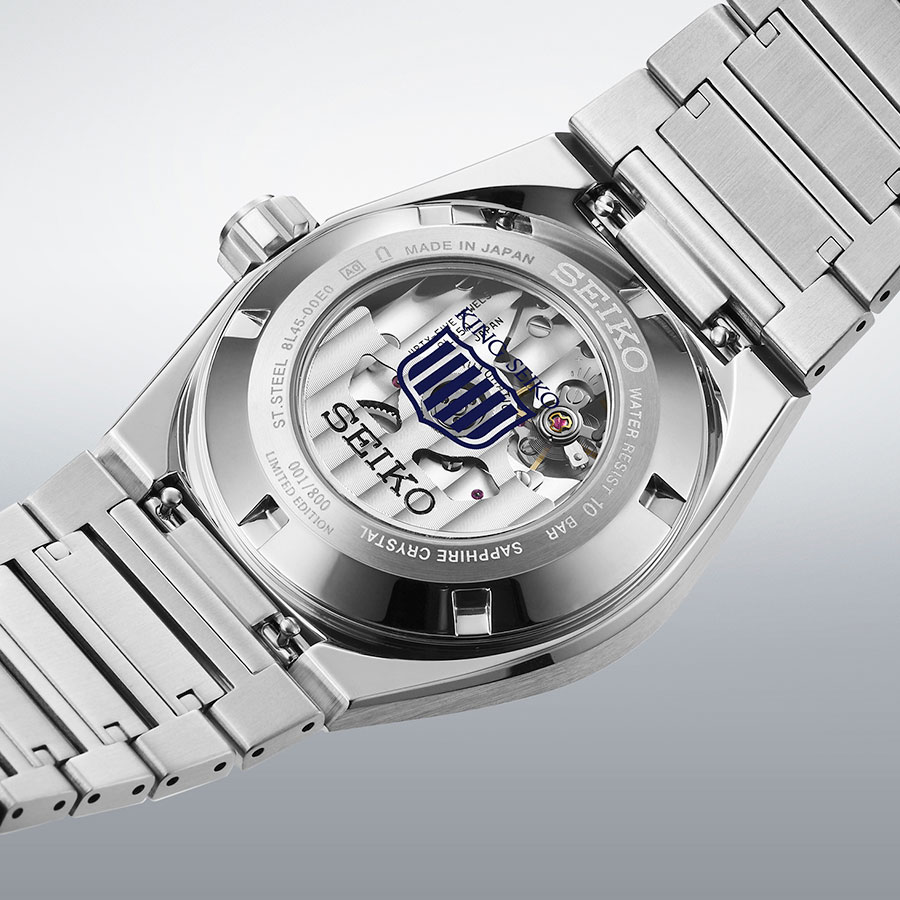
This new limited edition captures that original spirit with great refinement. Its silver dial is framed by a striking bright blue ring inspired by the vintage Vanac. The gleaming blue hands mirror the LumiBrite-coated hour markers. The bezel-free case design takes its cues from the Tokyo skyline — the historic home of Seiko. Beneath the see-through sapphire case back beats a self-winding calibre: a high-precision movement boasting a 3-day power reserve, adorned with refined bridges which showcase the exquisite thoroughness of the finishes.
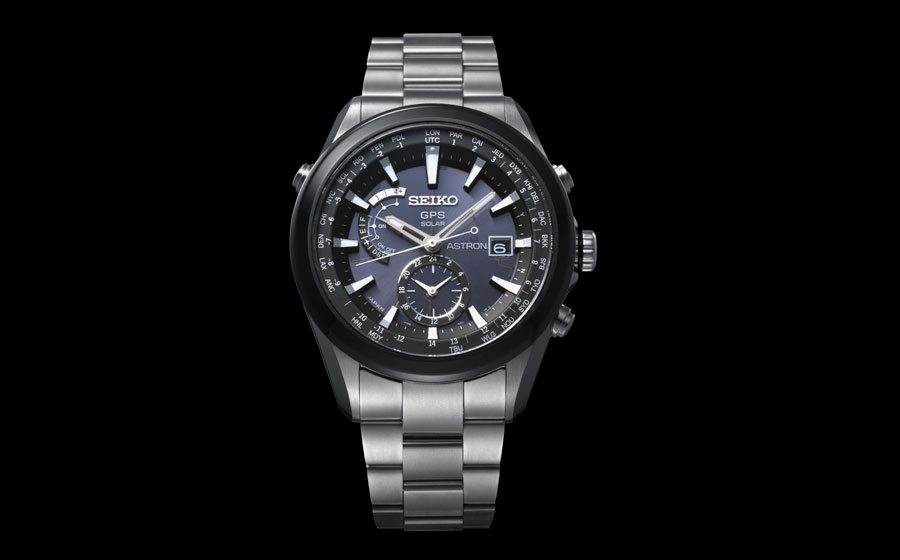
Finally, we come to the Astron — undoubtedly the lineup that sums up in the best way the manufacture’s core philosophy. In 1969, the Quartz Astron rocked the watchmaking world by becoming the very first commercially available quartz watch. Over 50 years on, its successor keeps the flame of innovation alive with a limited edition powered by the all-new GPS Solar Calibre 5X63.
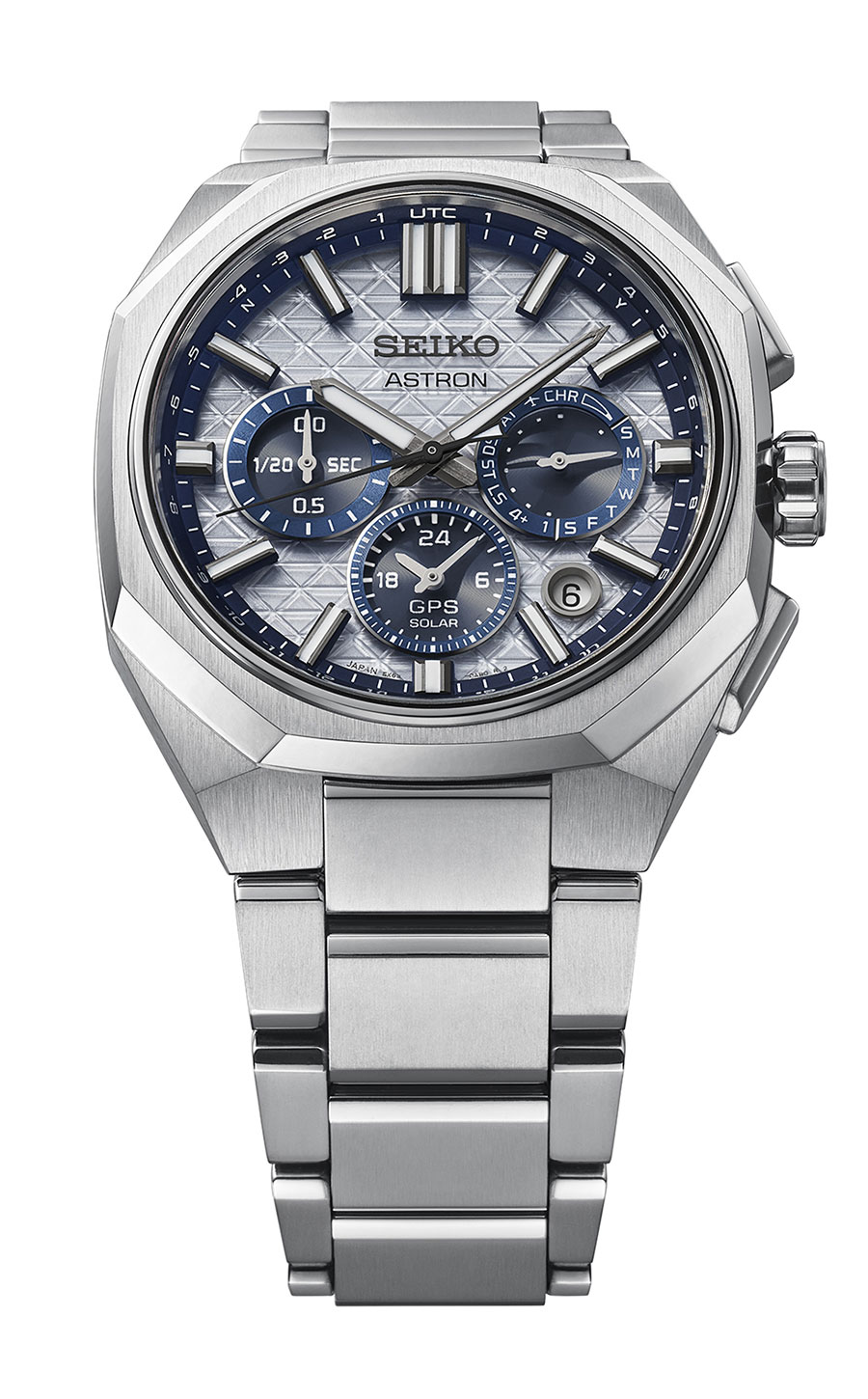
It is engineered to handle dual-time zones, a 1/20th-second chronograph. It syncs with GPS satellites to display the time across 38 time zones. This Astron showcases the electronic know-how Seiko has perfected over several decades. The case features a quick-release strap system. It allows you to switch smoothly from a titanium bracelet to a blue and white silicone strap.
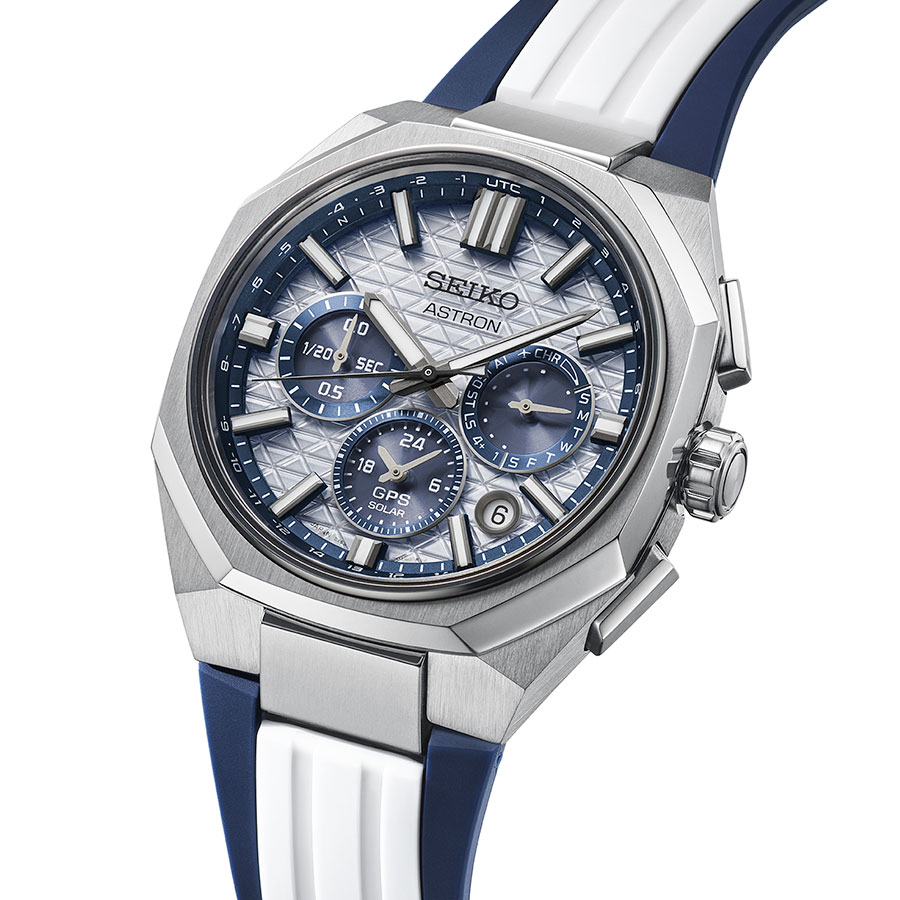
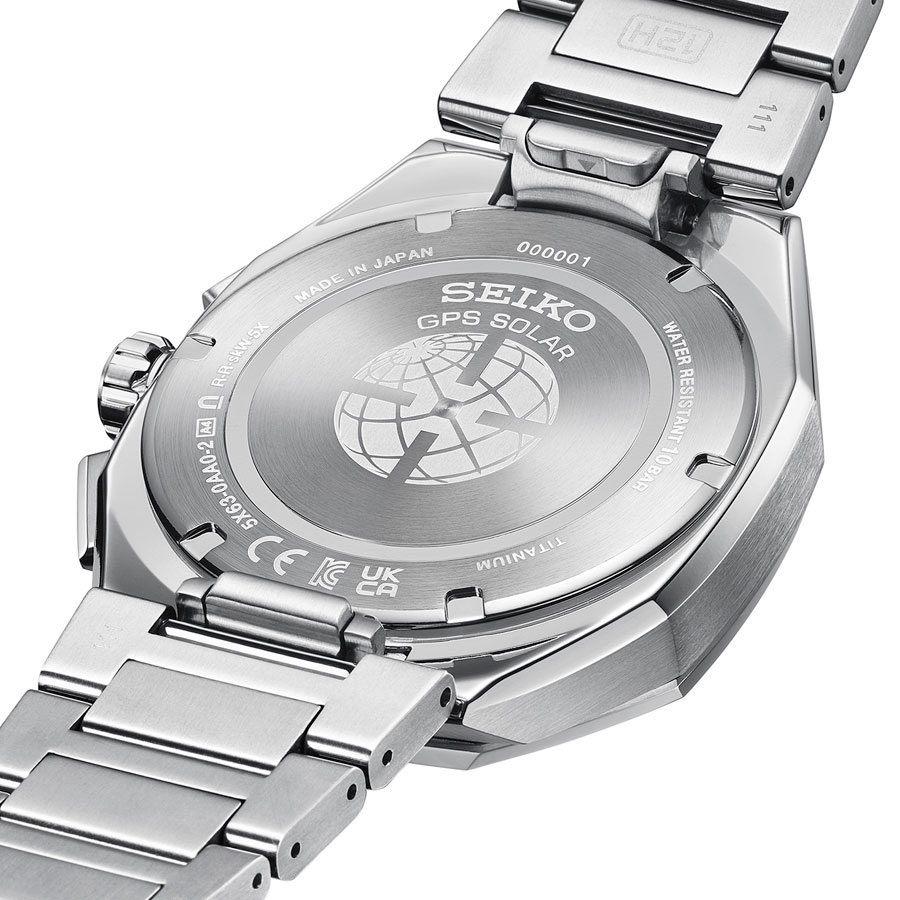
Its new titanium case is fitted with a two-piece octagonal bezel. It enhances wearing comfort even further. The silvered dial, adorned with geometric patterns, features flawlessly symmetrical blue sub-dials. A creation resolutely geared towards the future, without ever losing sight of the aesthetic codes that thread through this entire anniversary lineup.
A legacy for the future
These six limited editions share far more than just a splash of blue or an anniversary logo engraved onto the case back. They embody what has set Seiko apart for nearly a century and a half: being able to bridge worlds that seem poles apart.
On the one hand, the manufacture prides itself on a deep-rooted commitment to traditional Japanese craftsmanship — whether that is Arita porcelain, heritage silk, or the timeless sleekness of King Seiko. On the other hand, it remains relentless in its pursuit of precision, durability, and electronic innovation —as seen in the latest updates to the Astron GPS Solar and the impressive features of its dive watches.
Prospex 1965 Heritage Diver’s 145th anniversary Limited Edition – HBC005J1 – Limited run of 4,000 – €1,500
Prospex Samurai 145th Anniversary Limited Edition – HBB001K1 – Limited run of 9,999 – €650
Presage Classic Series ‘Craftsmanship’ Arita Porcelain Dial 145th Anniversary Limited Edition – HCC007J1 – Limited run of 1,500 – €1,800
Presage Classic Series 145th Anniversary Limited Edition – HCC004J1 – Limited run at 2,500 – €1,050
King Seiko Vanac 145th Anniversary Limited Edition – HKF004J1 – Limited run at 800 – €3,400
Astron GPS Solar Dual-Time Chronograph 145th Anniversary Limited Edition – HAB004J1 – Limited run at 3,000 – €3,000
See also:
Read also: