A look back at the 28th Cartier Prize for Watchmaking Talents of Tomorrow
Nowadays, the younger generation isn't just learning the ropes of watchmaking but completely revamping the craft. While a lot of watchmaking brands gladly celebrate their heritage, Cartier prefers to look ahead. For nearly thirty years, the brand has hosted a one-of-a-kind competition: the Cartier Prize for Watchmaking Talents of Tomorrow. This laboratory of ideas rewards creations as well as fresh ways of thinking about time.
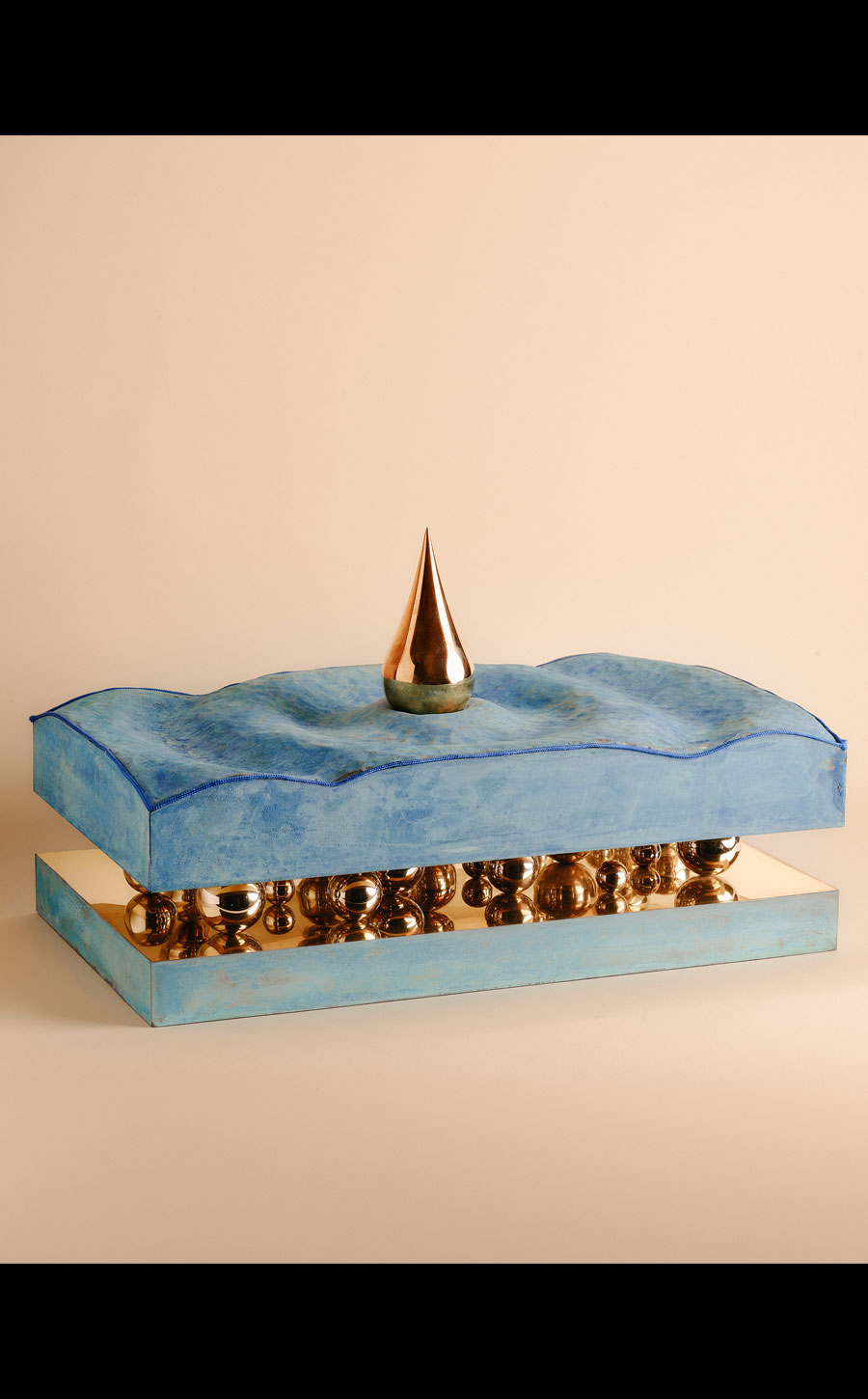
For this 28th edition, the challenge set for the candidates was unique. Working on a small clock movement, the young watchmakers were asked to tackle an almost philosophical question: “A new balance: reading and experiencing time differently.” This exercise perfectly captures the very DNA of Cartier. Over a century, they have seamlessly married mechanical innovation with aesthetic freedom.
But the competition itself relies on a greater ambition: passing the skills down to the next generation. Established in 1995 as an extension of the Institut Horlogerie Cartier, the prize now supports apprentices and technicians from Switzerland, France, Belgium, and Germany. Putting them in the spotlight is a first step, but giving them the opportunity to become the craftsmen of tomorrow is going the extra mile. This is what Cartier is striving to protect: a living heritage, fueled as much by traditional know-how as by fresh ideas.
The various creations

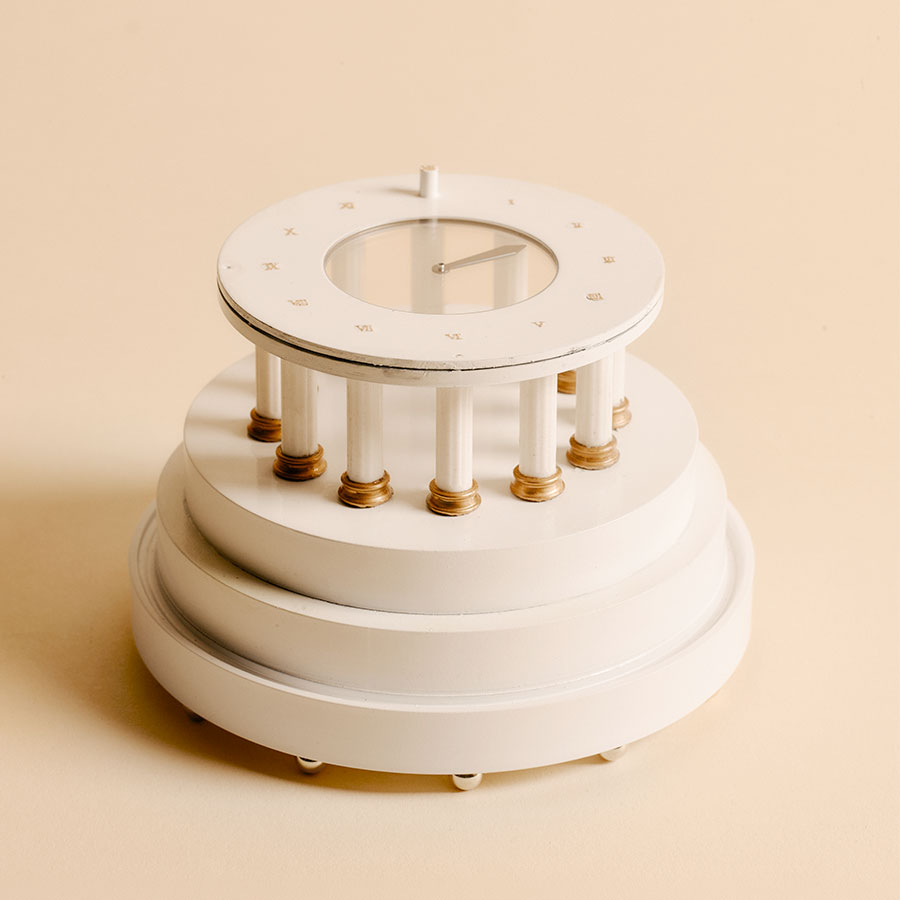


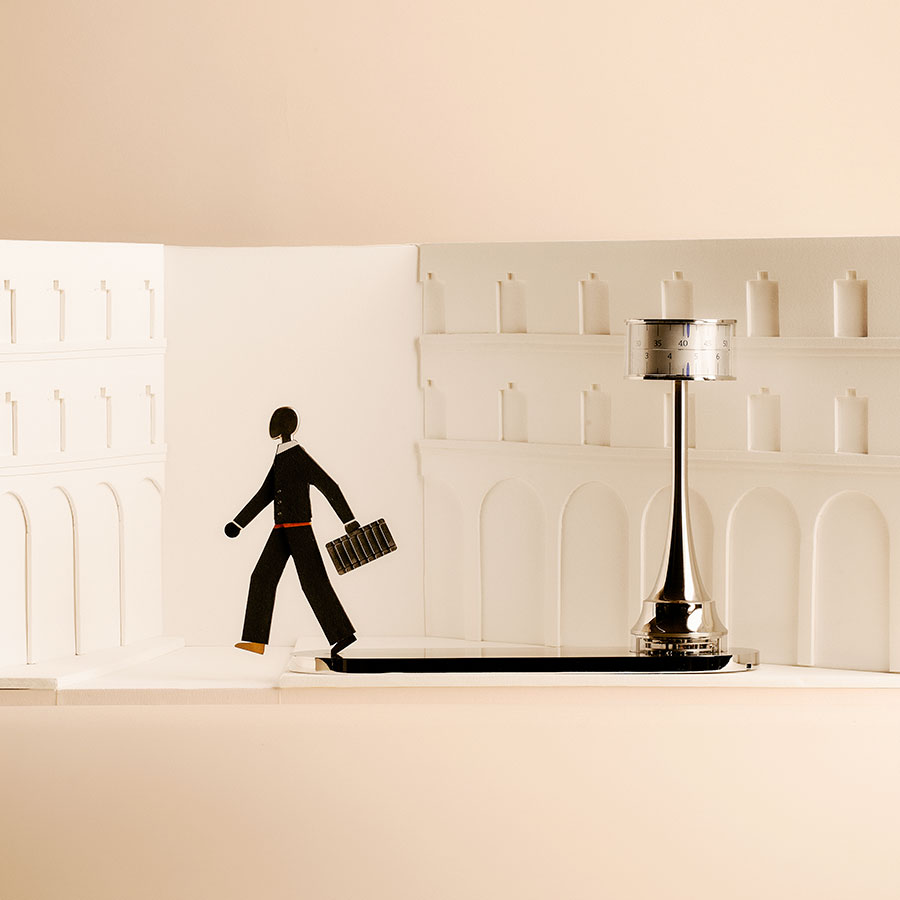

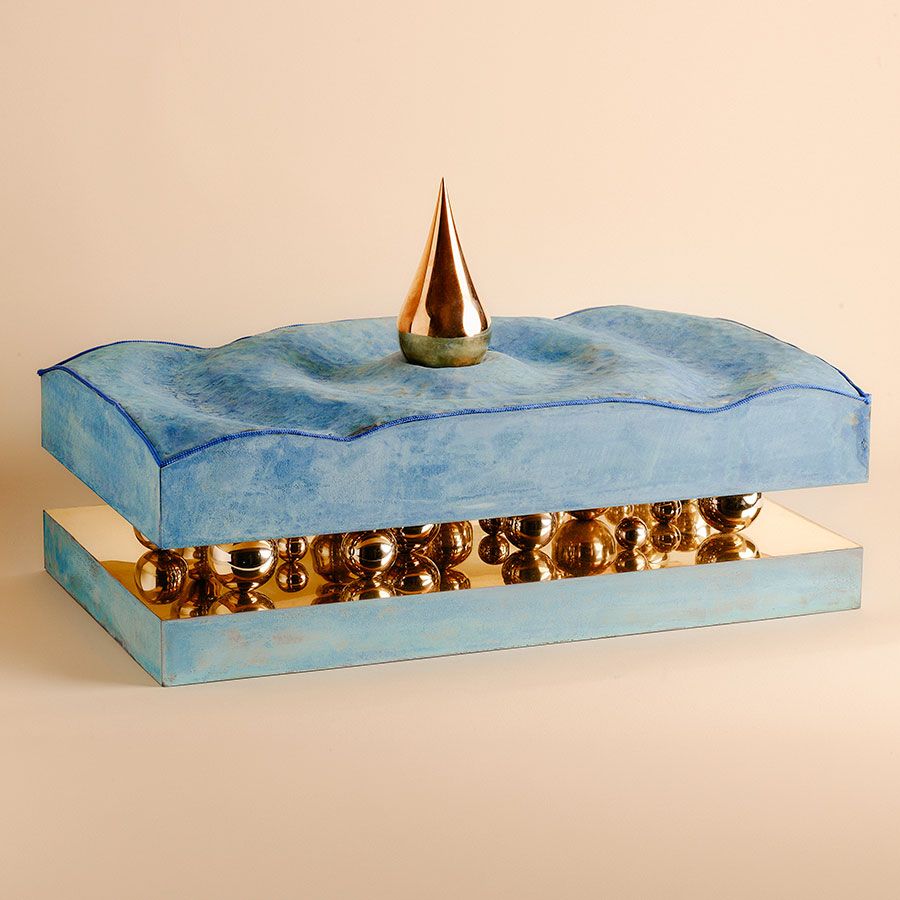
Creativity becomes a watchmaking skill
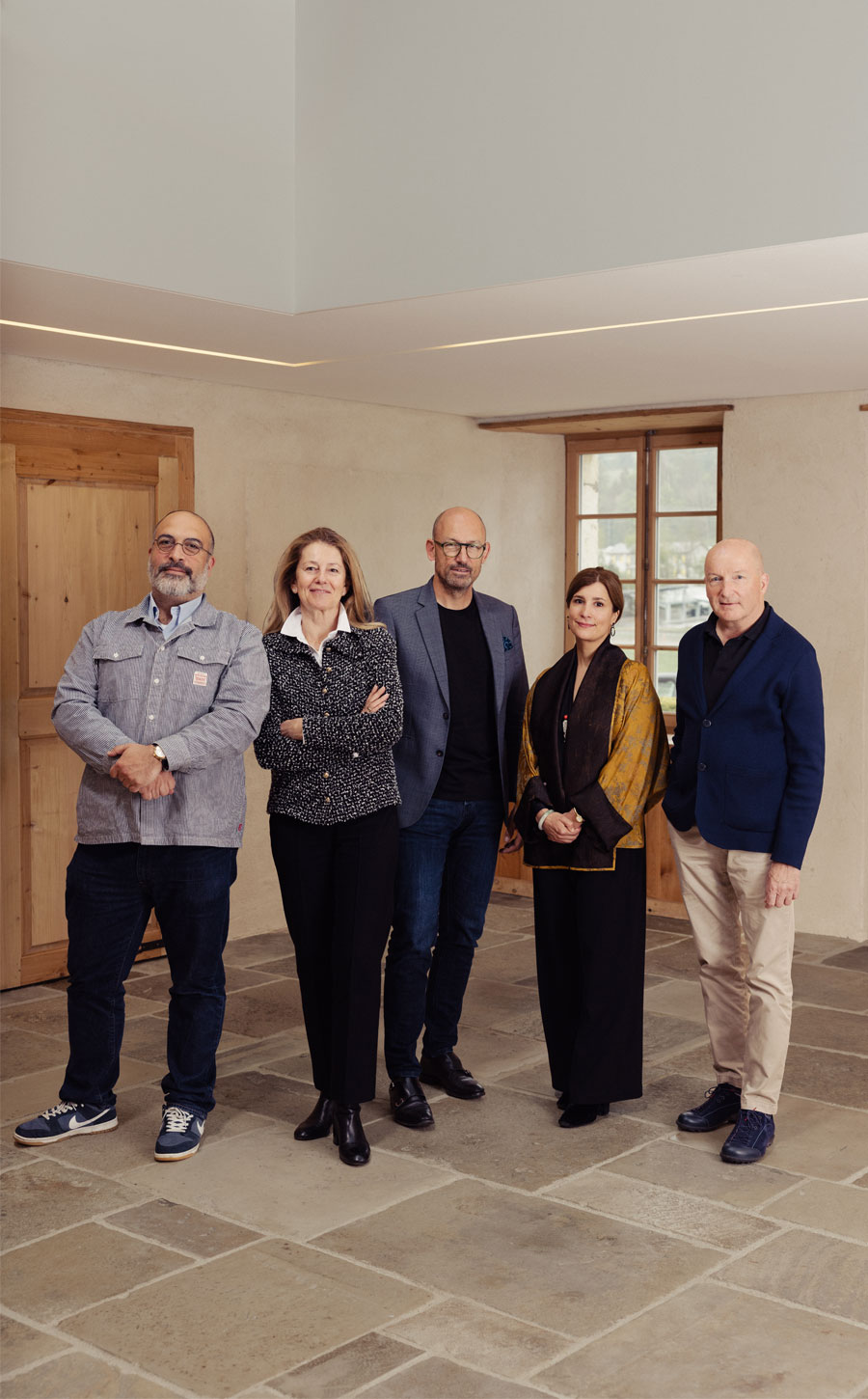
Far from being a mere competition of style, the Cartier Prize demands genuine creativity. Following an initial shortlist based on portfolios, the twelve finalists are given eighty hours to design a fully functional piece under the guidance of a mentor. This tight timeframe asks for both technical mastery and sharp judgment in every design choice. Next comes the judging panel, made up of experts in every domain.
The Jury members
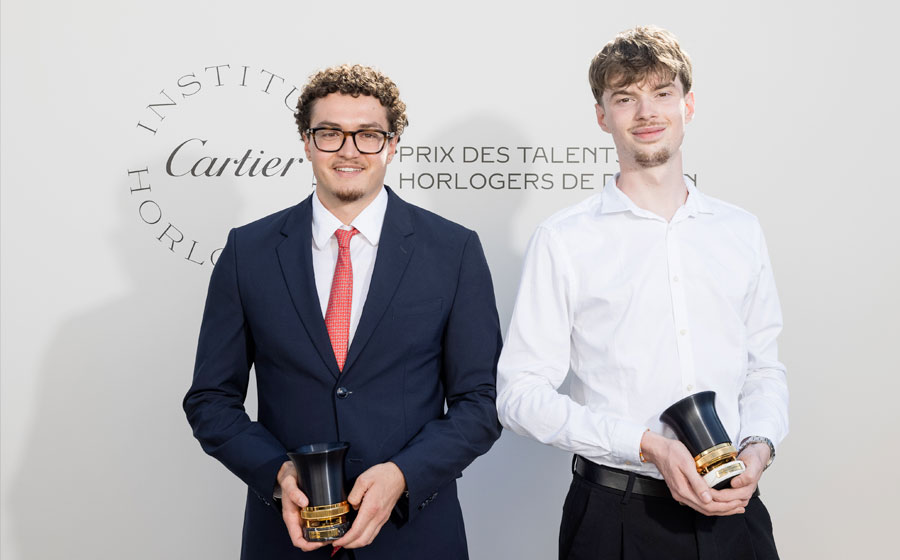
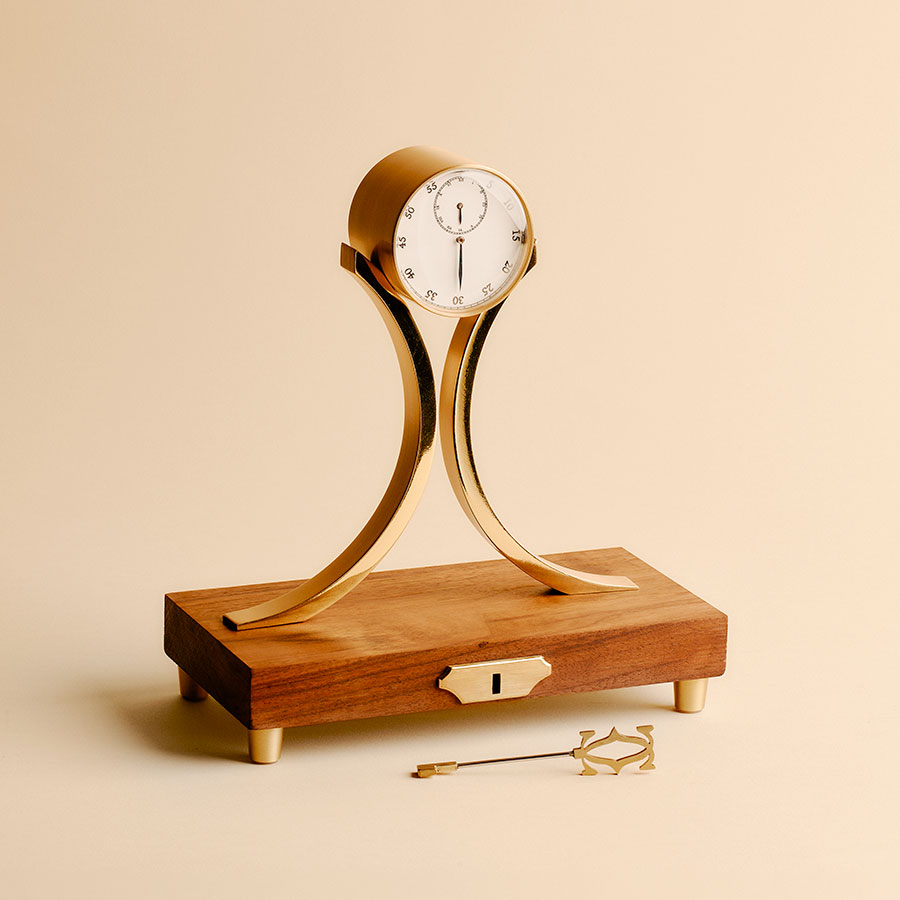
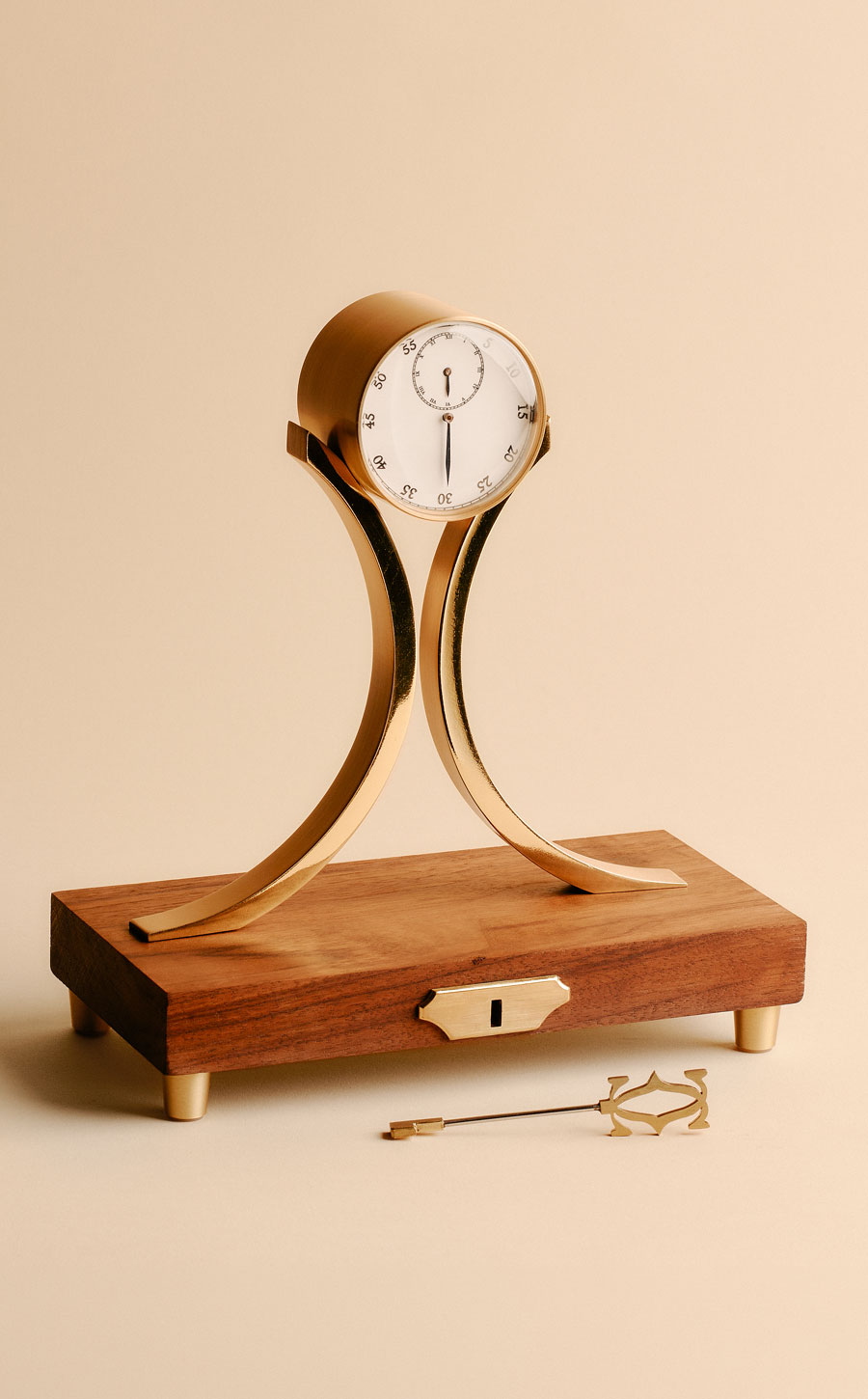
The first prize in the “Apprentice Watchmakers” category goes to Aymeric Peters for Silence Choisi (Chosen Silence). His creation is a desk clock whose hands remain stationary on purpose, until the user awakens time using a key. It is a poetic concept where time does not permanently exist, but is instead summoned at will.
In the “Apprentice Watchmakers” category, first prize was awarded to Aymeric Peters from IATA in Namur, Belgium, for Silence Choisi (Chosen Silence).
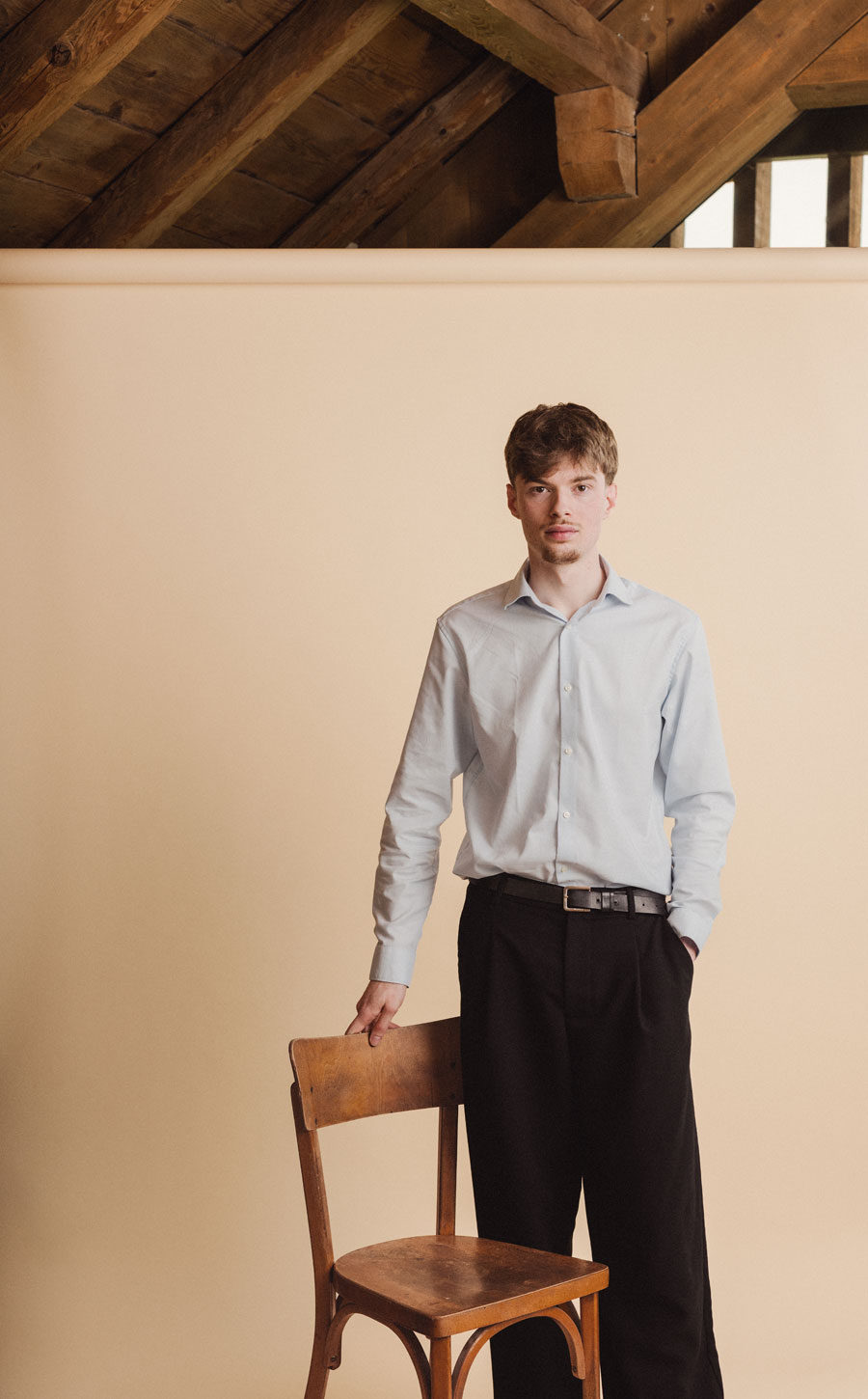
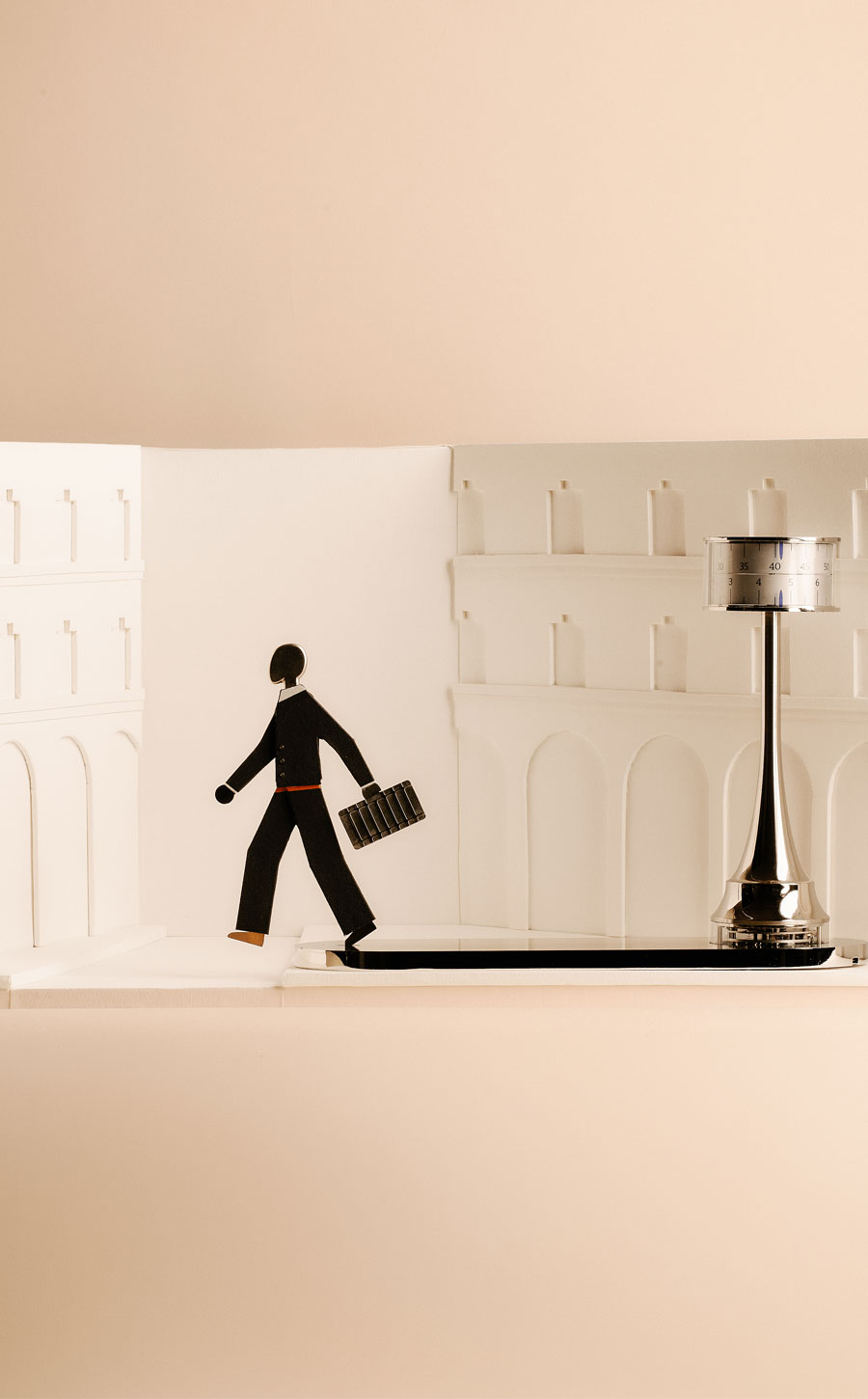
Among the technicians, Arthur Choquet took the top spot with Un Instant (A Fleeting Moment). His creation is inspired from Parisian architecture and creates a dialogue between heritage and modernity.
For the “Technicians” category, Arthur Choquet, from Lycée Jean Jaurès in Rennes, France, scooped first prize for his creation Un Instant (A Fleeting Moment).

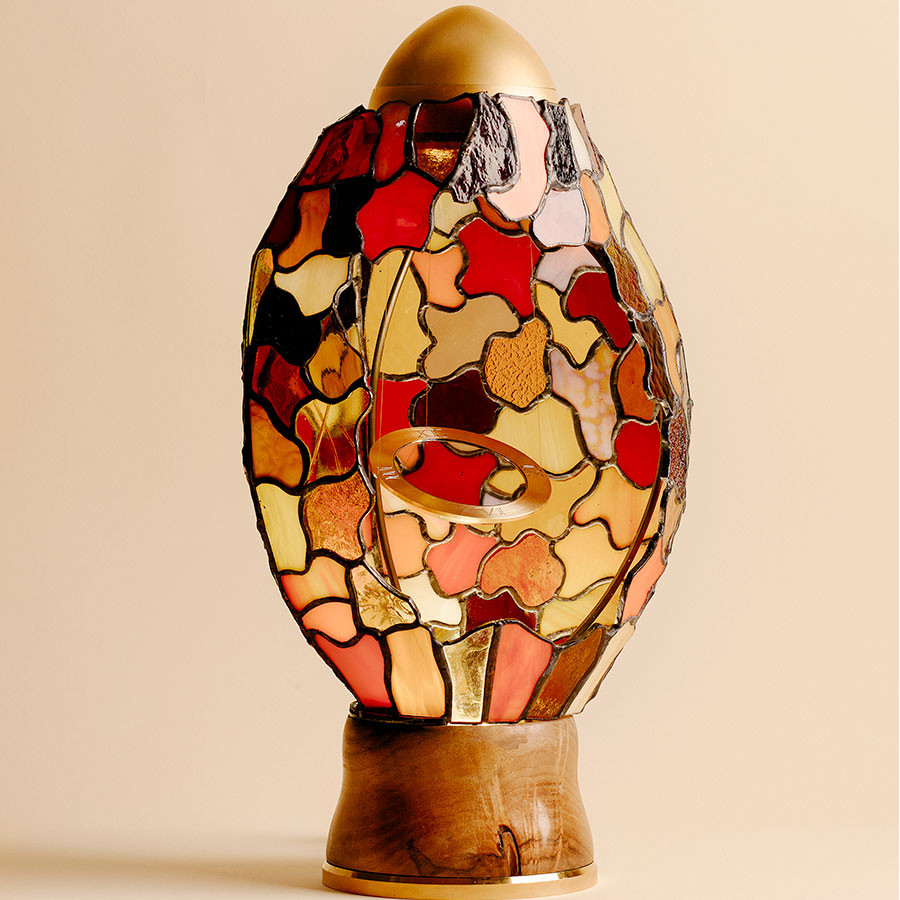
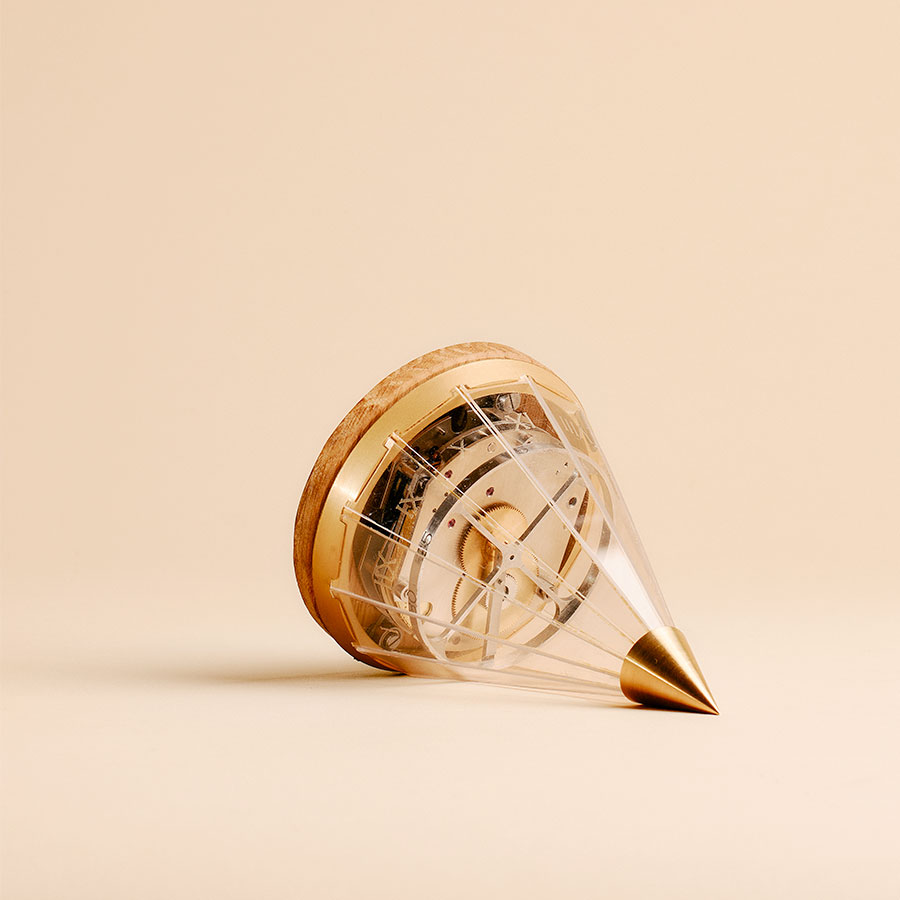
In the “Apprentice Watchmakers” category, alongside Aymeric Peters, the joint second prize went to Layla Sluysmans and Édouard Nicod. Layla designed Nymphea, a mechanical water lily that only reveals its dial after its petals slowly unfurl. Meanwhile, Édouard flipped traditional design on its head with La Dualité des Opposés (The Duality of Opposites), blending the dial into the structure itself and turning the movement into the star of the show.
The joint second prize for “Apprentice Watchmakers” was awarded to Layla Sluysmans from IATA in Namur, Belgium, for Nymphea.


The other joint second prize recognised the work of Edouard Nicod, from Lycée Edgar Faure in Morteau, France, for his piece called La Dualité Des Opposés (The Duality of Opposites).
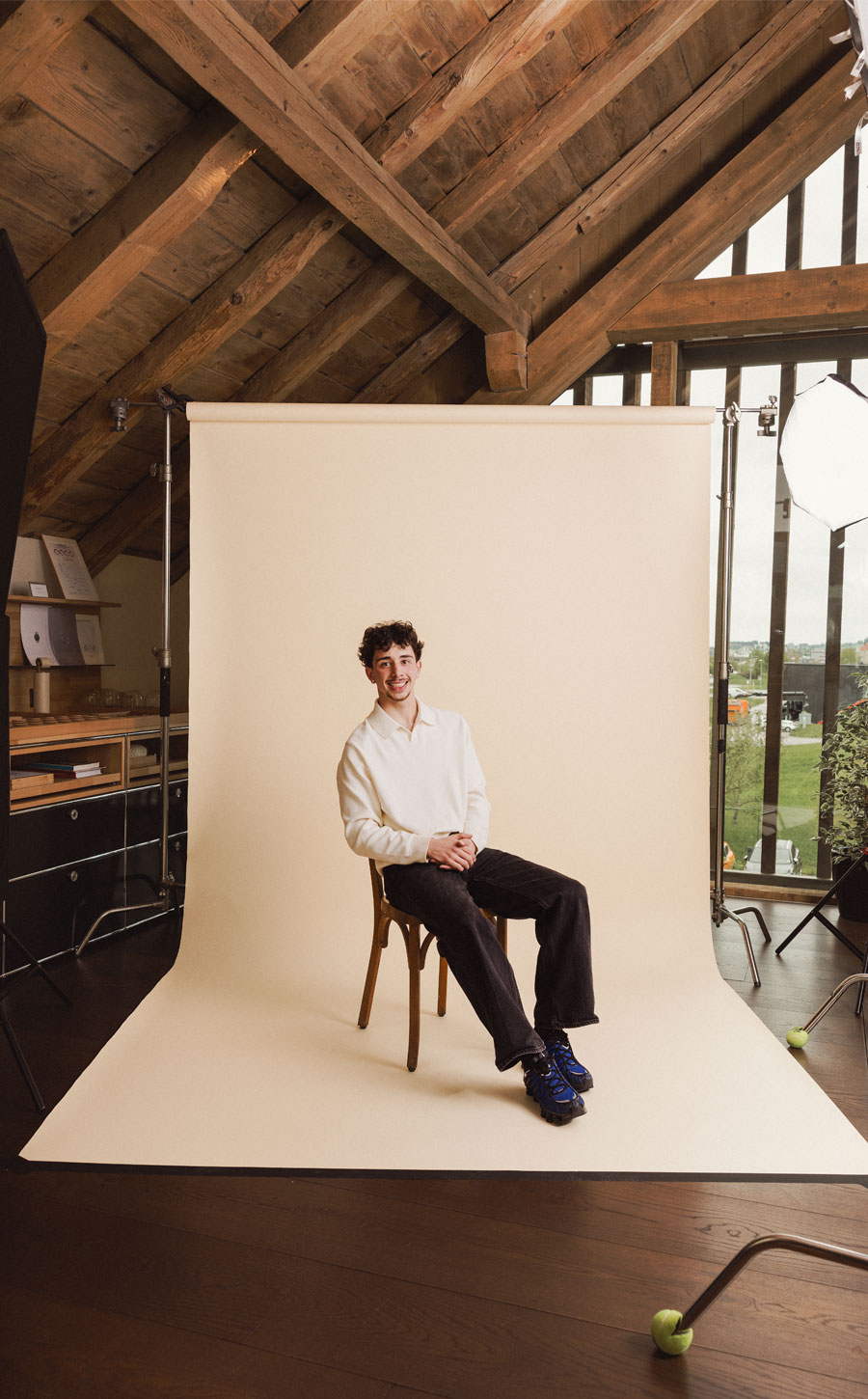
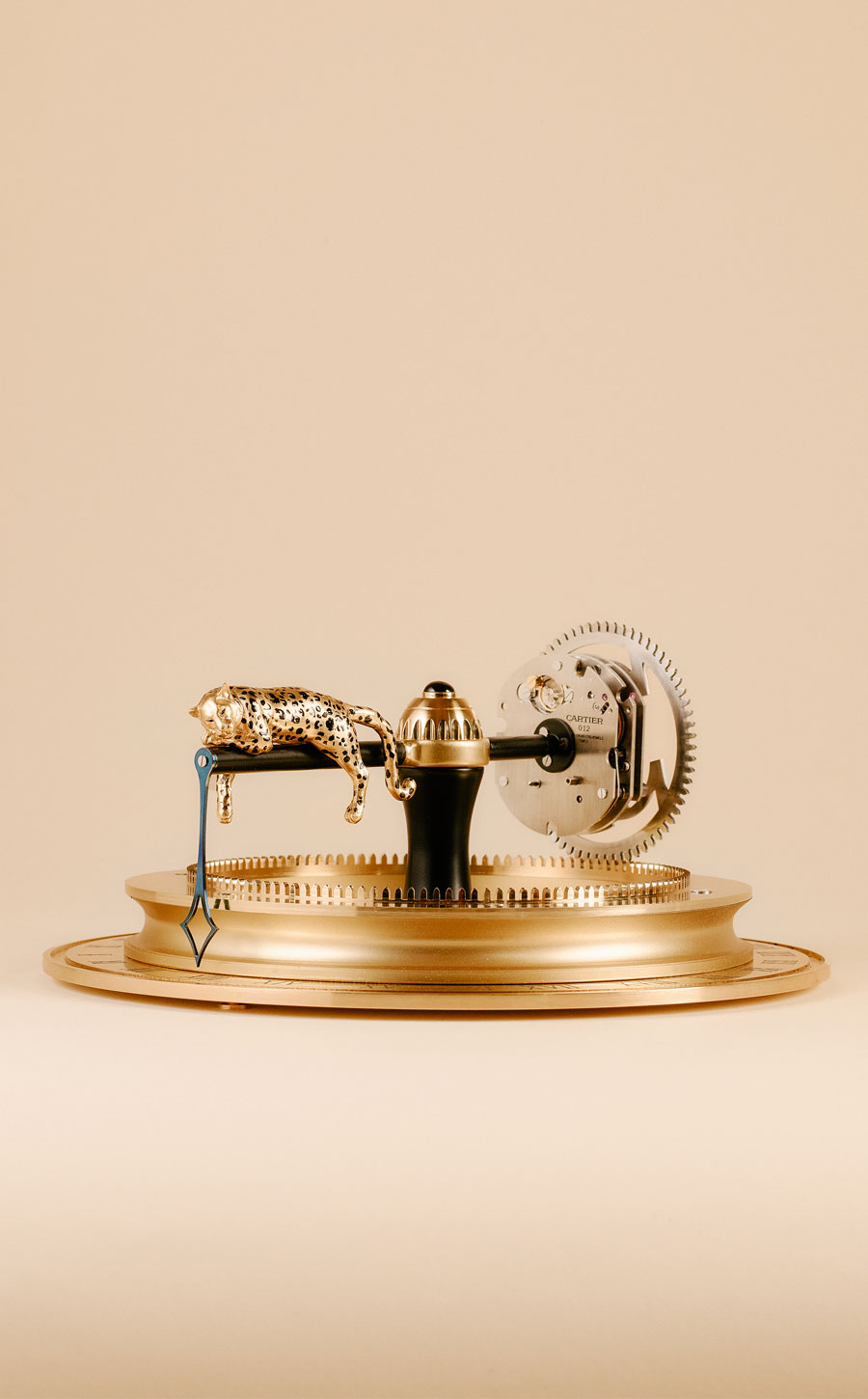
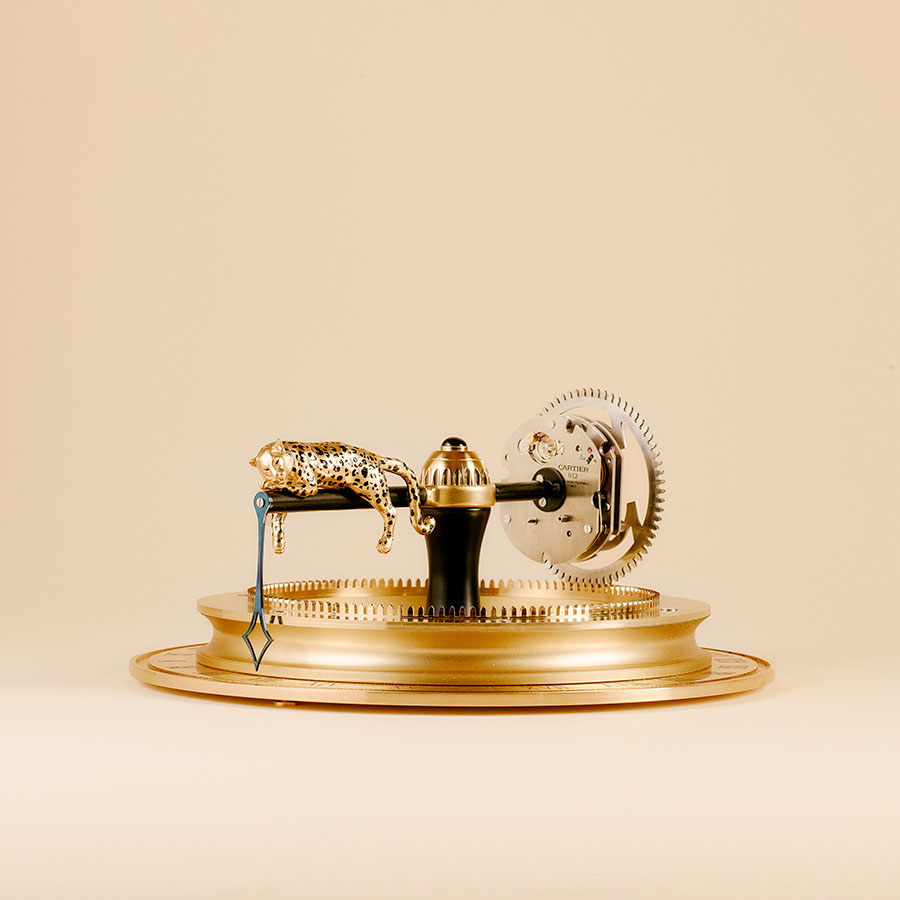
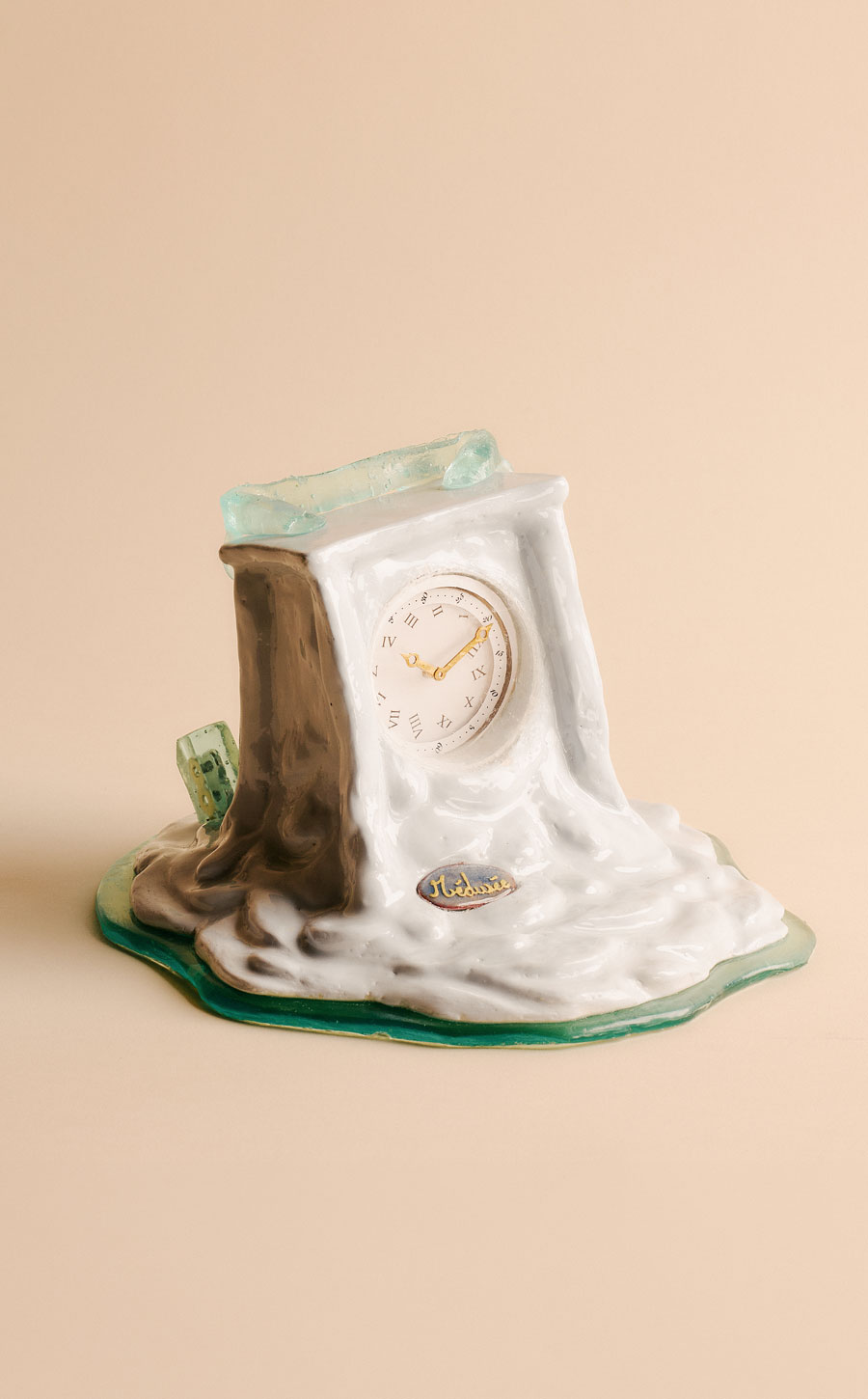
Moving on to the “Technicians”, Adam Deroche secured second place with Médusée (Mesmerised). It is a piece where the hands remain completely still while the numbers themselves move. Adrien Stefenelli took third prize by doing away with the visual display altogether. With a chime, it invites us to listen to time rather than look at it, in his timepiece Écho (Echo). Every single project showcases an astonishing level of creative maturity that goes far beyond a simple school assignment.
The second prize for “Technicians” goes to Adam Deroche from Lycée Diderot in Paris, France, for Médusée (Mesmerised).
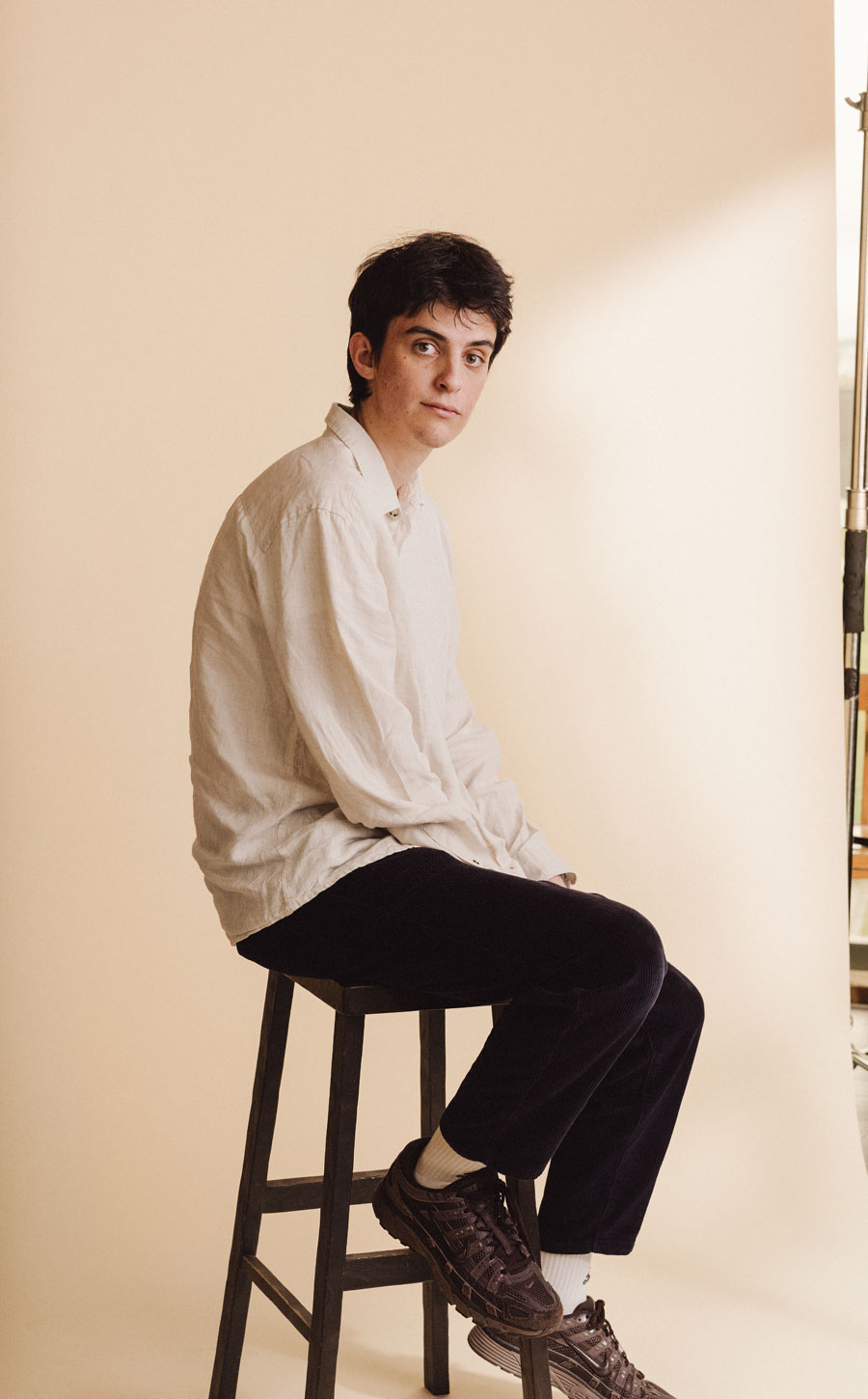
The jury awarded third prize to Adrien Stefenelli from Lycée Jean Jaurès in Rennes, France, for Écho (Echo).

Training craftsmen, revealing creative personalities
This year’s awards ceremony took place at the Maison des Métiers d’Art in La Chaux-de-Fonds. Far more than just a beautiful backdrop, this venue is very symbolic. It embodies Cartier’s vision: preserving endangered crafts while bringing them face-to-face with modern technology and contemporary practices. Enamelling, marquetry, engraving, and micro-engineering share equal billing here. All those crafts are called upon to write the future of watchmaking.
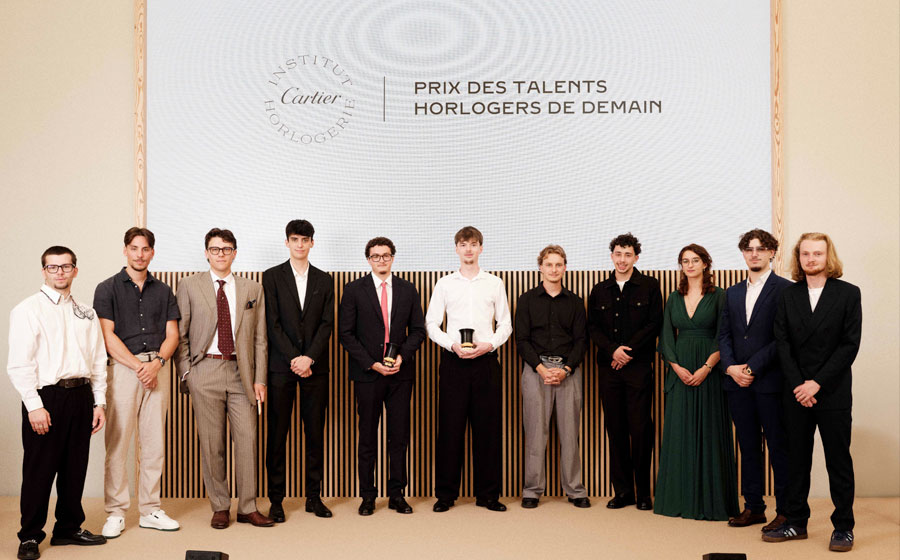
Without the shadow of a doubt, it embodies the uniqueness of the Cartier Tomorrow’s Watchmaking Talents Prize. It doesn’t look to churn out carbon copies of yesterday’s masters. Instead, it champions young creators capable of viewing the rules they are taught through a fresh lens. The prizes — an immersive experience within the brand, a Cartier timepiece, and, for the top winners, a placement offer — are ultimately just the starting point.
Thanks to this initiative, Cartier reminds us that training the watchmakers of tomorrow isn’t just about teaching them how to measure time. It is the freedom to redefine its reading.
See also:
Read also: