Shopping at Dubail: A Father and Son Selection
A passion for watchmaking is often passed down from father (Frank Sans C) to son (Loui Sans S). And while their tastes might differ from time to time, the sheer joy of discovering a beautiful timepiece remains exactly the same. From century-old icons, to technical feats, and bolder creations, this selection brings together models appealing to every generation. Naturally, it sparked a bit of a debate… All under the watchful, expert eye of Stephan Ciejka, head of La Revue des Montres.
FRANK SANS C’S CHOICES
ROLEX
Oyster Perpetual 36
To celebrate the centenary of the Oyster, Rolex chose not to tinker with the architecture of its most iconic timepiece. Instead, the brand decided to surprise people with the unexpected change of the dial. The new Oyster Perpetual 36 stands out with a brand-new take on the Jubilee motif — a pattern that first burst onto the scene in the late 1970s.
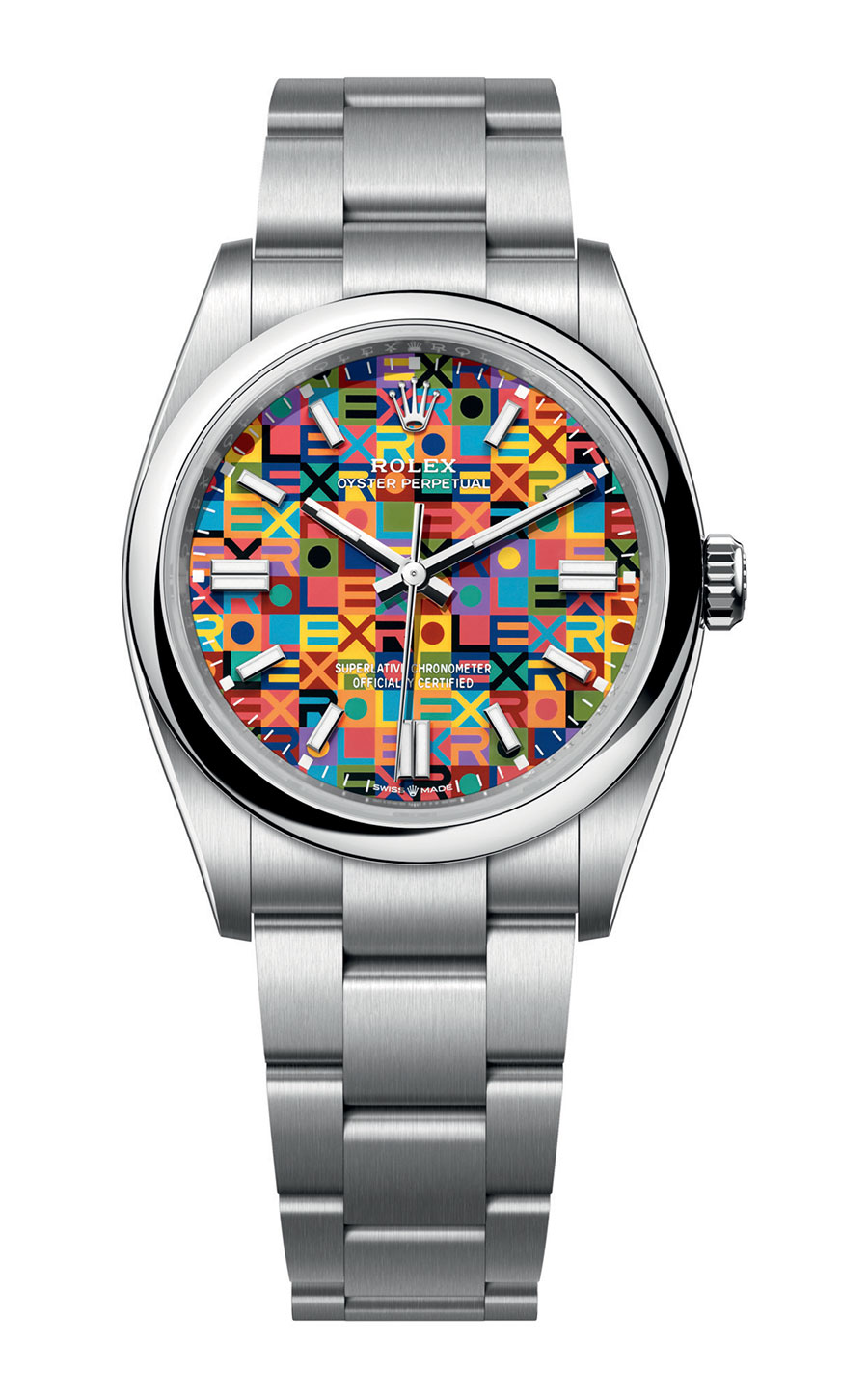
At first glance, this Oyster Perpetual really differs from the usual understated style of the lineup. Its multicoloured dial highlights the letters of Rolex in a geometric layout blending ten different shades. What could have easily ended up as a graphic design stunt is actually much more of a playful spin on the brand’s heritage. Rolex has taken a familiar chapter from its history and suggested an ultra-contemporary visual version of it. The real triumph, as a matter of fact, lies in the craftsmanship. Unlike what could be thought in the first place about the result, the different colours aren’t applied all at once, but one after the other. Each layer has to be positioned with enough precision to ensure the letters and shapes line up flawlessly. The dial of this Oyster Perpetual 36 offers a fresh take on the Jubilee design, which was first presented in the late 1970s.
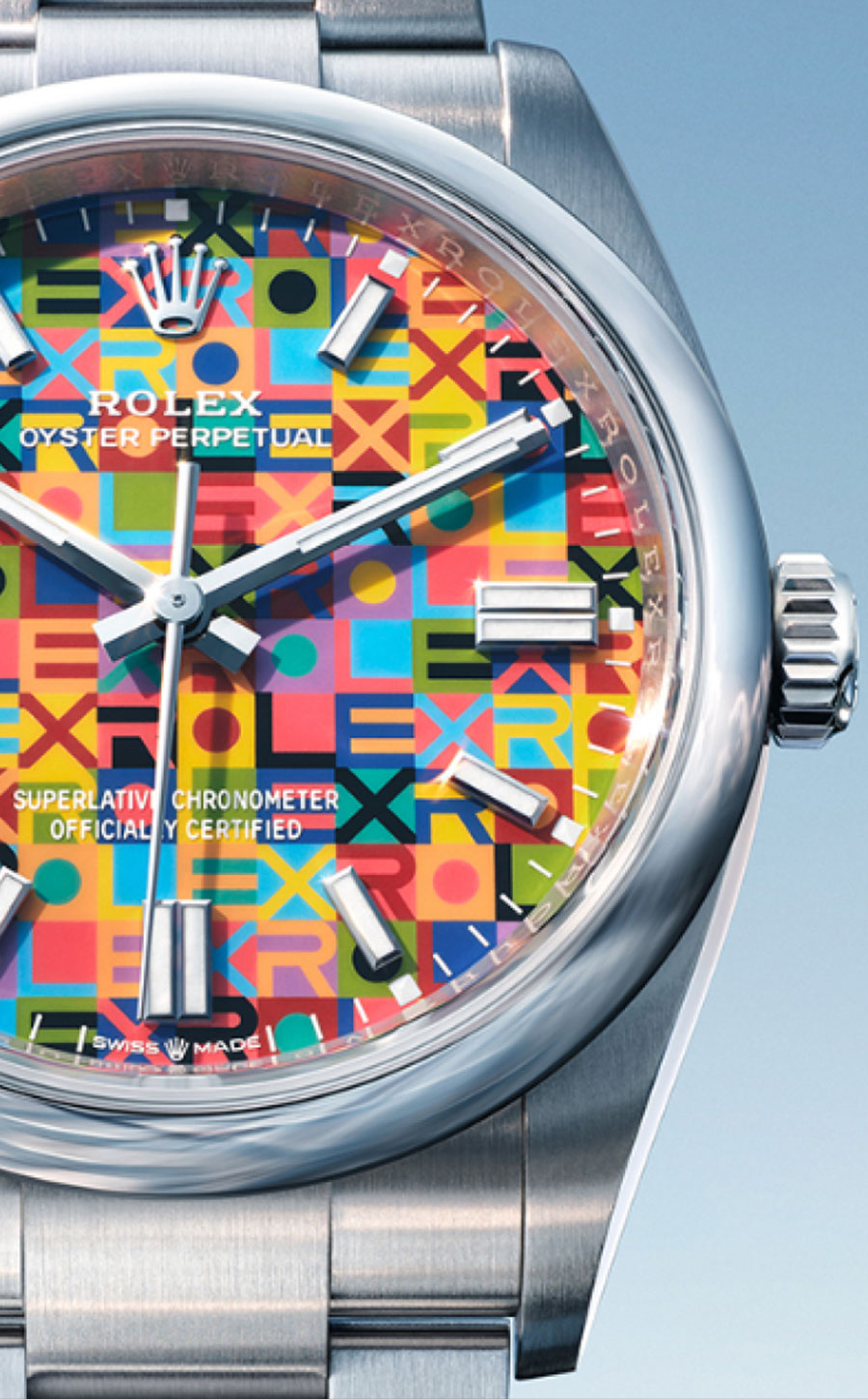
Nonetheless, Rolex is sticking to the tried-and-tested formula behind the Oyster Perpetual’s success. The 36mm Oystersteel case remains water-resistant to 100 metres. Inside, the calibre 3230 ticks on. Presented first in 2020, this self-winding movement is fitted with the Chronergy escapement, the blue Parachrom hairspring, with its roughly 70-hour power reserve. Nothing new about that, but it is hard to blame Rolex for not changing a successful technical foundation. The crown brand has allowed itself a much more expressive version without compromising the model’s fundamentals. Beneath what is easily considered the most prolific dial in the collection lies one of the simplest entry-level watches in the Rolex lineup. It shows that even on the centenary of the Oyster, a revolution can sometimes come down to just a few letters and a splash of colour.
Check out the article and the show on the latest Rolex releases unveiled at Watches and Wonders 2026:
€6,500
Click here for the Rolex Oyster Perpetual 36 spec sheet.
GERALD CHARLES
Maestro GC Sport Tennis
At Gerald Charles, tennis has become a real canvas for the Maestro GC Sport lineup. With the new Tennis models in Optic Yellow and Tennis White, the Geneva-based watchmaker continues its long-standing connection with the universe of the little yellow ball, offering two different takes on the exact same technical foundation.
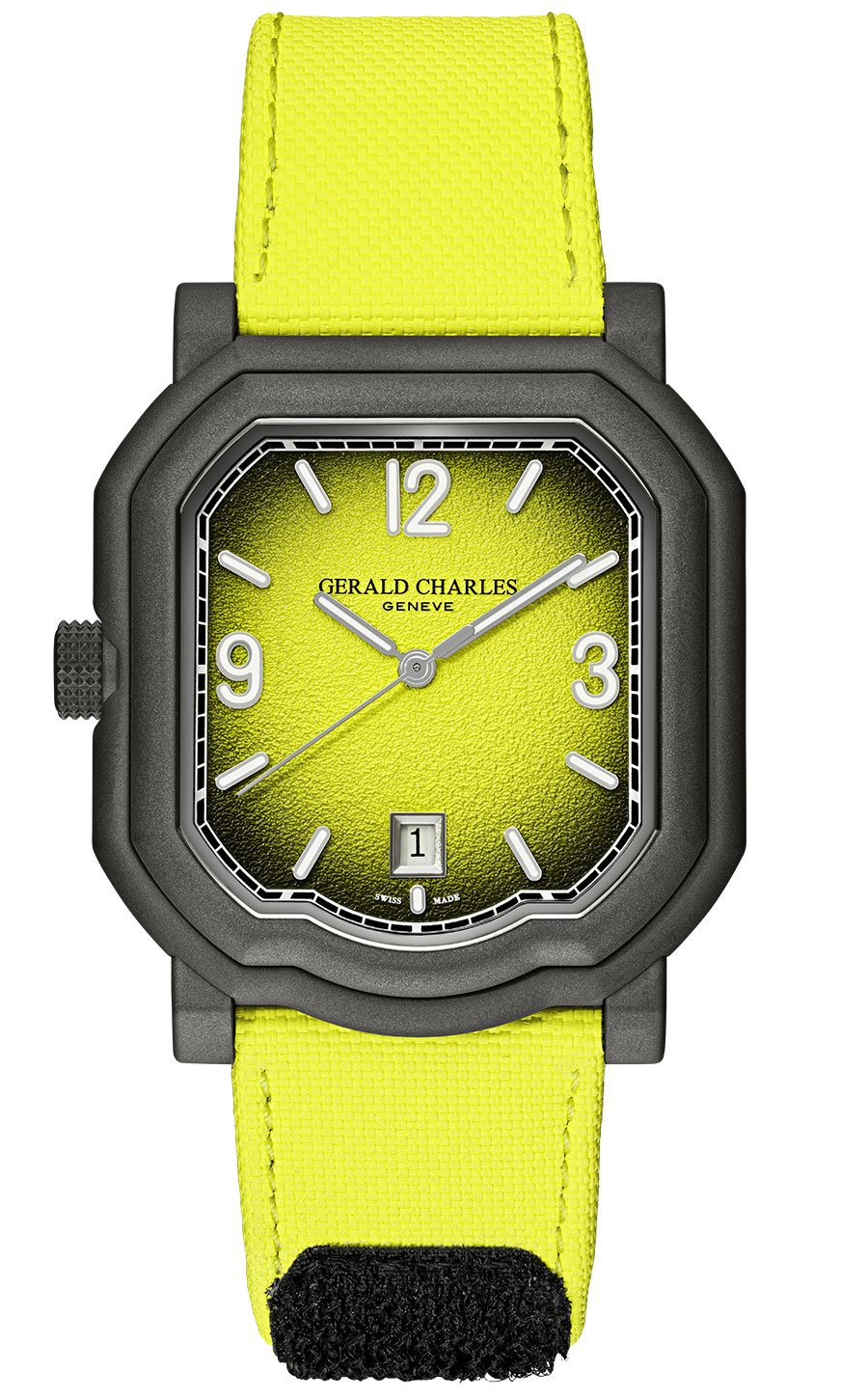
The first of the two will cut the dash. Its neon yellow — or “Optic Yellow” — dial highlights the iconic colour of a tennis ball. Conversely, the second takes a more understated approach, featuring a white dial inspired by the traditional dress code of the world’s most famous lawn tennis tournament.
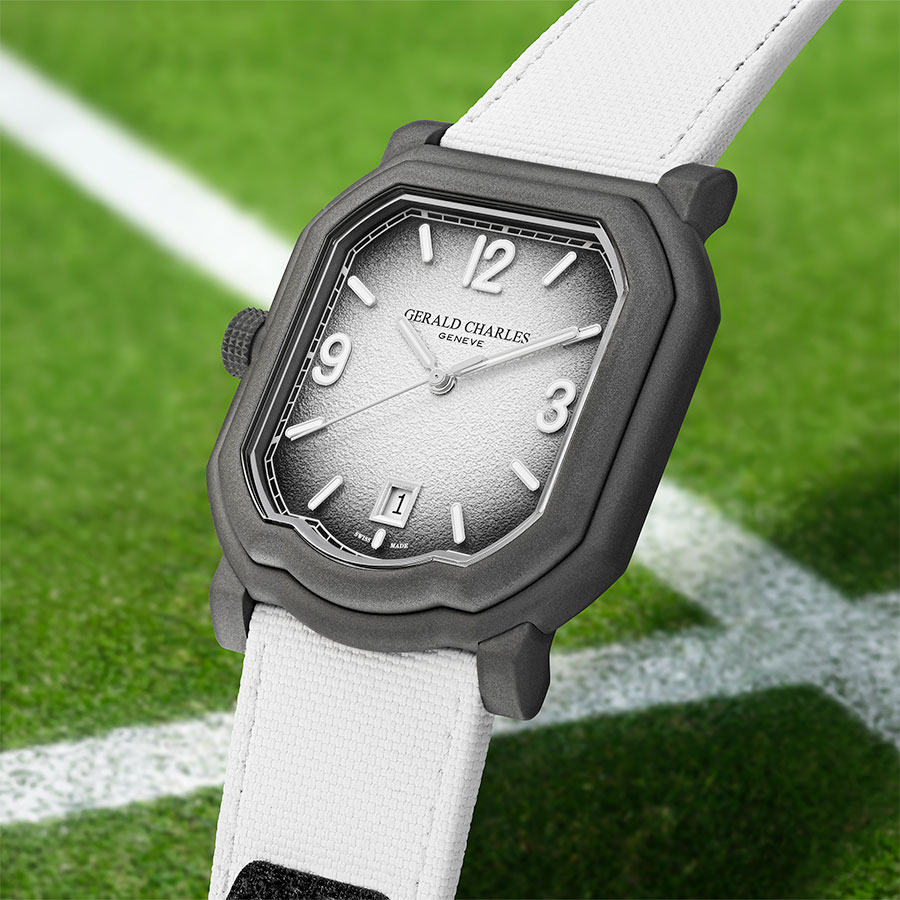
From a technical perspective, both models share the same architecture. They feature the Maestro case designed by Gérald Genta in 2005, crafted from Grade 5 Darkblast® titanium. Tipping the scales at a mere 64 grams and measuring 9 mm thick, the timepiece clearly focuses on lightness. The screw-down crown on the left remains one of its most striking highlights. Designed to prevent any rubbing against the wrist during physical activity, it is the perfect example of the ergonomic feel, which is a milestone in the development of this lineup.
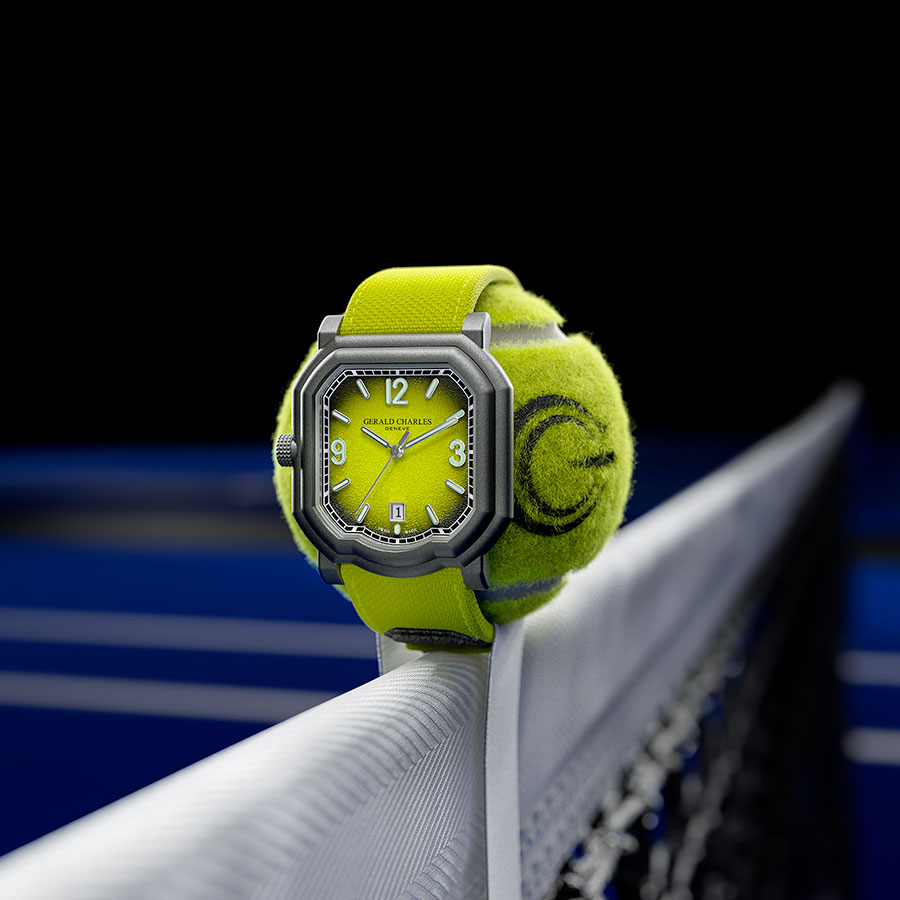
The same philosophy lies behind the ErgonTeq® standard, developed in-house by Gerald Charles. The goal is straightforward: to ensure that the case, lugs and strap sit together as naturally as possible on the wrist, in order to improve comfort, stability and balance. That focus is hardly surprising for a brand that boasts testing with professional players and a shock resistance of up to 5G.
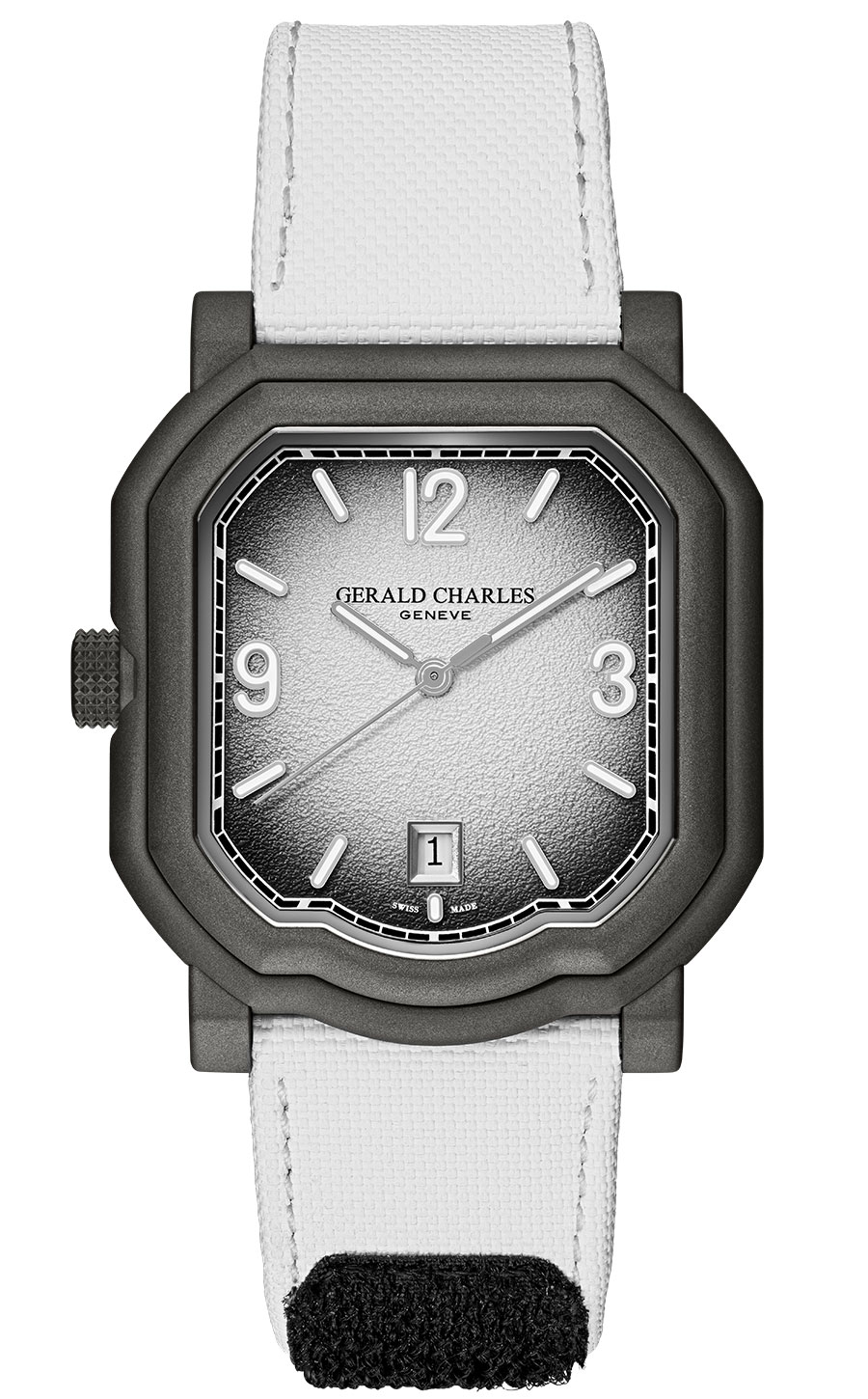
The most compelling feature lies however in the White edition’s. It introduces a new surface-hardening process for the Darkblast® titanium case, claimed to be 10 times more resistant to scratches. It might look like a subtle upgrade on paper, but it will likely make a much bigger difference day-to-day than a simple dial colour swap. As a matter of fact, it is one of the few meaningful technical differences between the two references.
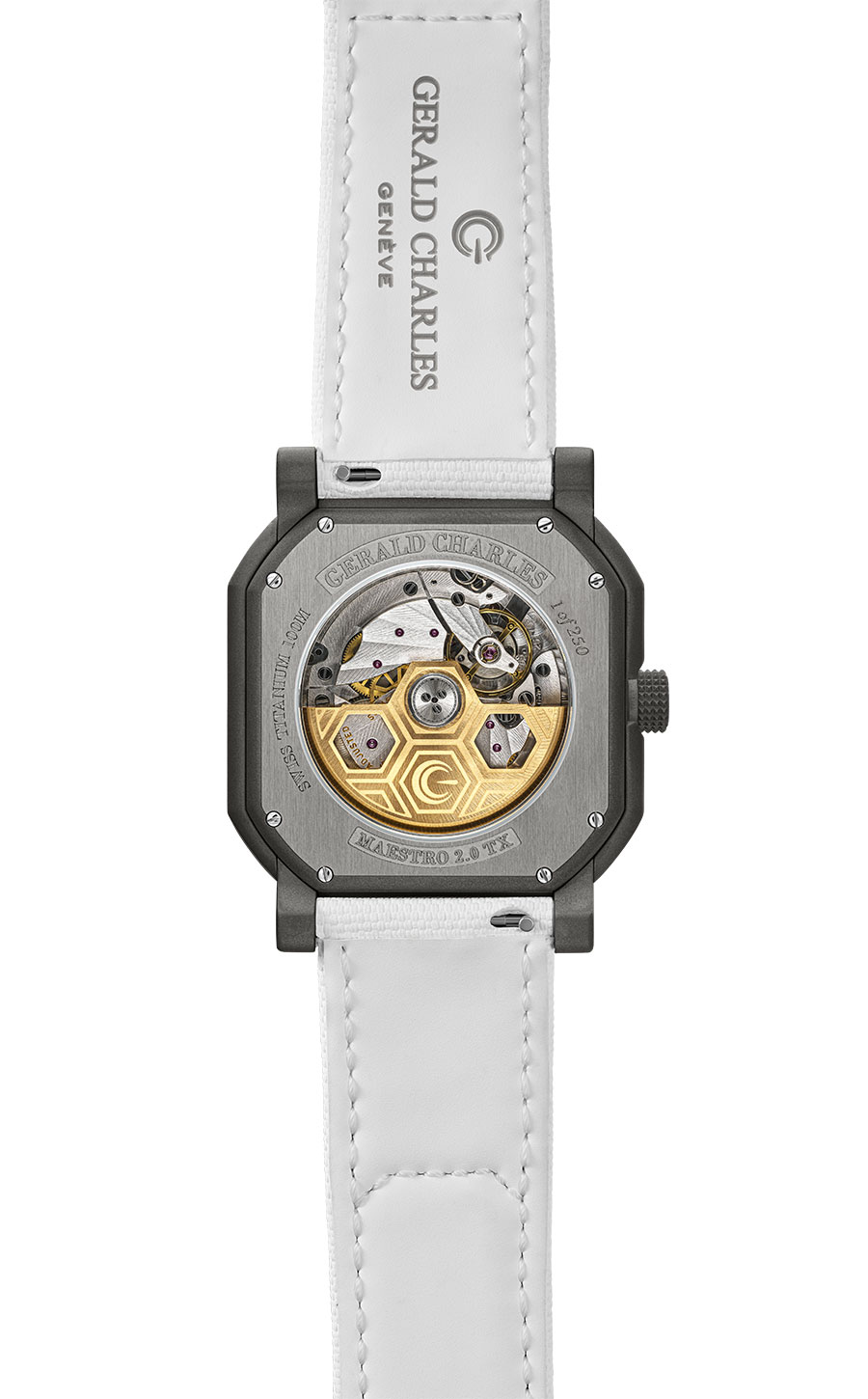
From a mechanical perspective, both timepieces are powered by the manufacture calibre 2.0. This self-winding movement, measuring 3.7 mm thick, beats at 4 Hz and is fitted with a twin barrel delivering a 50-hour power reserve, all protected by an Incabloc shock-absorption system. Visible through the sapphire case back, it preserves the lineup’s hallmark finishes and the brand’s in-house architecture.
Whether you lean towards the vibrant yellow or the near-ceremonial and understated white version is entirely down to your taste. On the technical front, however, it is an absolute draw.
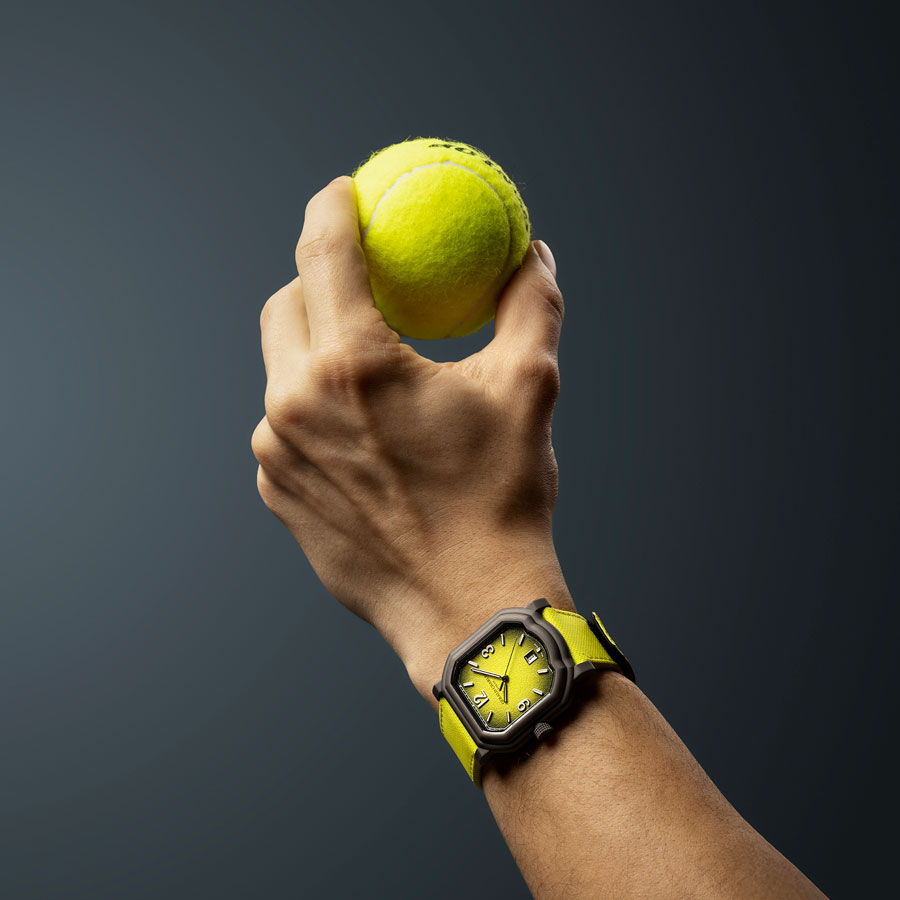
Maestro GC Sport Tennis in Optic Yellow – Limited edition of 200 pieces – €17,600
Click here for the Maestro GC Sport Tennis spec sheet.
Technical Specifications:
Case
Darkblast® Grade 5 titanium
35 components
39 mm x 41 mm
Left-hand screw-down crown adorned with a Clous de Paris motif
Embossed logo
Movement
Swiss-made, ultra-thin self-winding calibre 2.0
Featuring a central oscillating weight adorned with the new 25th-anniversary logo and Gerald Charles’s hallmark ‘Honeycomb’ motif Central hour, minute, and second hands and date window at 6 o’clock
Finishes: bridges finely snailed, meticulously crafted Côtes de Genève, and circular graining
Thickness: 3.7 mm
189 components
28 rubies
Frequency: 4 Hz
Incabloc® shock-absorption system, stop-seconds system, unidirectional rotor
Power reserve: 50 hours
Sapphire crystal with multi-layer anti-reflective coating on both the inside and outside
Dial
Optic Yellow with a textured grained finish and gradient colourway
White minute track
Baton hands filled with white Super-LumiNova® and glowing green at night
Arabic numerals at 3, 9, and 12
Case back
Flat sapphire crystal
Bracelet
Optic Yellow Velcro with a textured finish
Integrated Darkblast® buckle
Water Resistance
10 ATM / 100 m
Total Weight: 64 g
Total Thickness: 9 mm
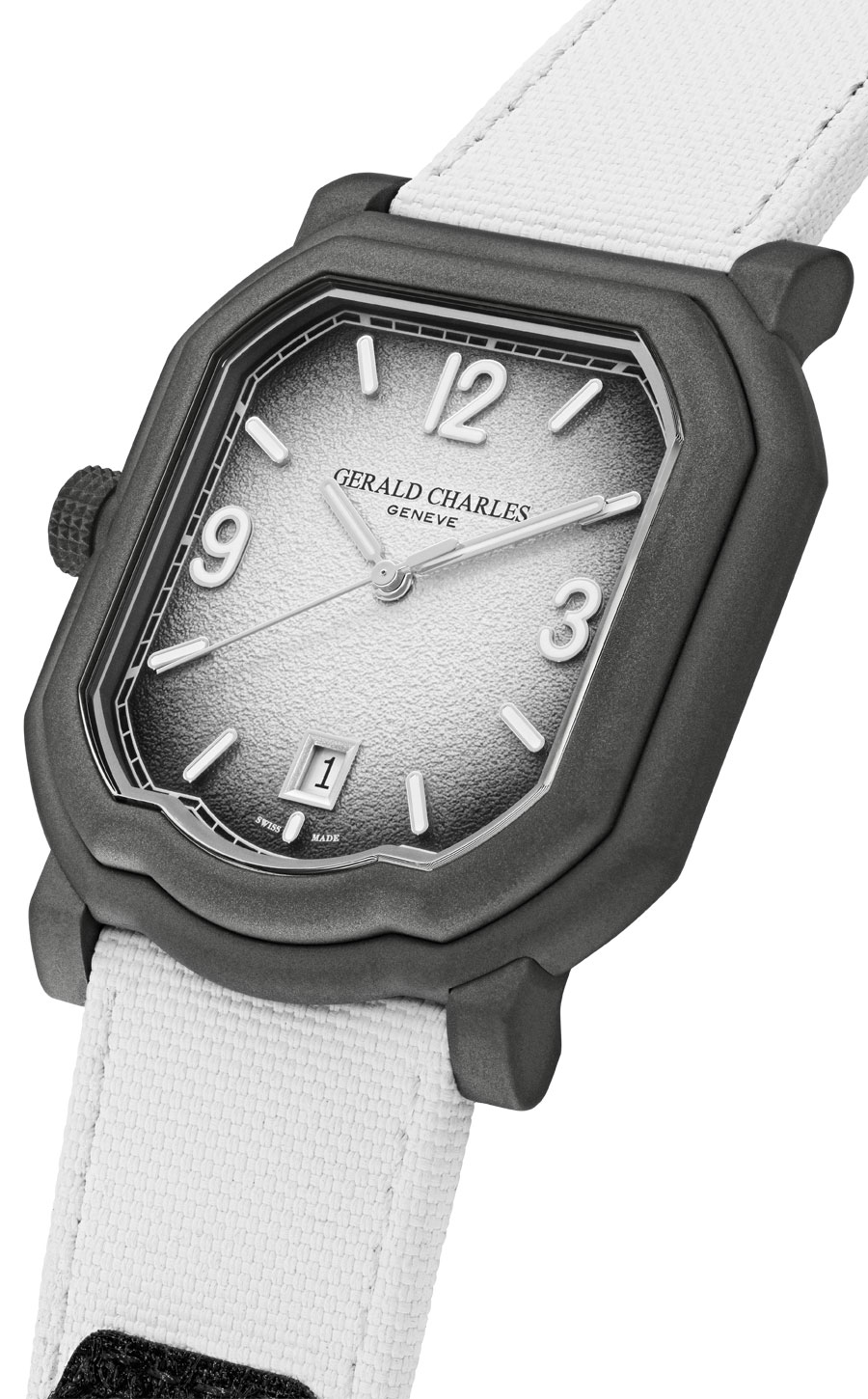
Maestro GC Sport Tennis White – Price on request
Click here for the Maestro GC Sport Tennis White spec sheet.
Technical Specifications:
Case
Grade 5 titanium with a Darkblast® finish
35 components
39 mm x 41 mm
Left-hand screw-down crown adorned with a Clous de Paris pattern
Embossed logo Movement
Swiss-made, ultra-thin self-winding calibre 2.0
Featuring a central oscillating weight adorned with the hallmark Gerald Charles ‘Honeycomb’ motif
Central hour, minute and second hands and date window located at 6 o’clock
Finishes: finely snailed bridges, with elegantly crafted Côtes de Genève and circular graining
Thickness: 3.7 mm
189 components
28 rubies
Frequency: 4 Hz
Incabloc® shock-absorbption system, stop-seconds function, unidirectional rotor
Power reserve: 50 hours
Sapphire crystal with multi-layered anti-reflective coating on internal and external sides
Dial
White, grained textured background with a gradient finish
White minute track
Baton hands filled with white Super-LumiNova® glowing green at night – Arabic numerals at 3, 9, and 12
Case back
Flat sapphire crystal
Bracelet
White Velcro with a textured finish
Built-in Darkblast® buckle
Water resistance: 100 metres
ZENITH
Chronomaster Original Triple Calendar Lapis Lazuli
At Zenith, some new releases are nothing more than a fresh coat of paint. Others, however, completely change how we look at a timepiece we seemed to know inside out. This Chronomaster Original Triple Calendar Lapis Lazuli firmly belongs to the latter category. Beneath its apparent simplicity, it gives this particular reference a whole new lease of life.
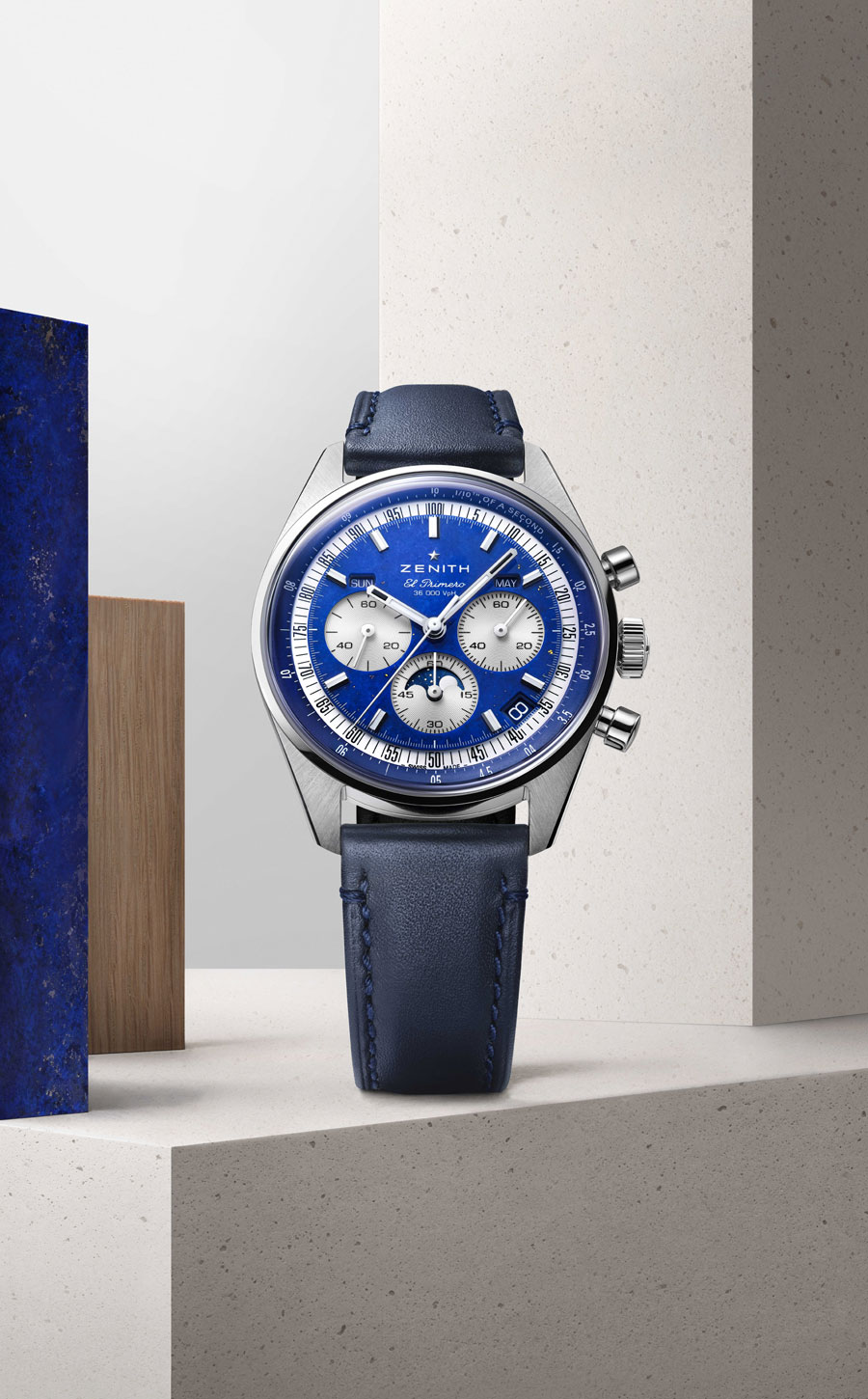
To be fair, the Chronomaster Original Triple Calendar never really required a revamp. Reintroduced in 2024, it had already modernised a complete calendar chronograph, inspired by the 1969 A386 timepiece. Its 38mm case, pump-style pushers, domed sapphire crystal, and well-balanced proportions were already proofs of craftsmanship. What is new, however, hits you the moment you look at it. The manufacture has swapped the traditional dial for a slice of lapis lazuli. Now, watchmakers use this stone fairly regularly, but seldom on timepieces packed with quite so much data. Between the chronograph, the complete calendar, and the moon phase, the Triple Calendar isn’t exactly what you would call a minimalist dial. But that is precisely what makes this release so brilliant. Despite the sheer volume of information on display, the dial remains surprisingly legible, thanks to the trio of silver sub-dials that contrast beautifully against the deep blue of the stone.
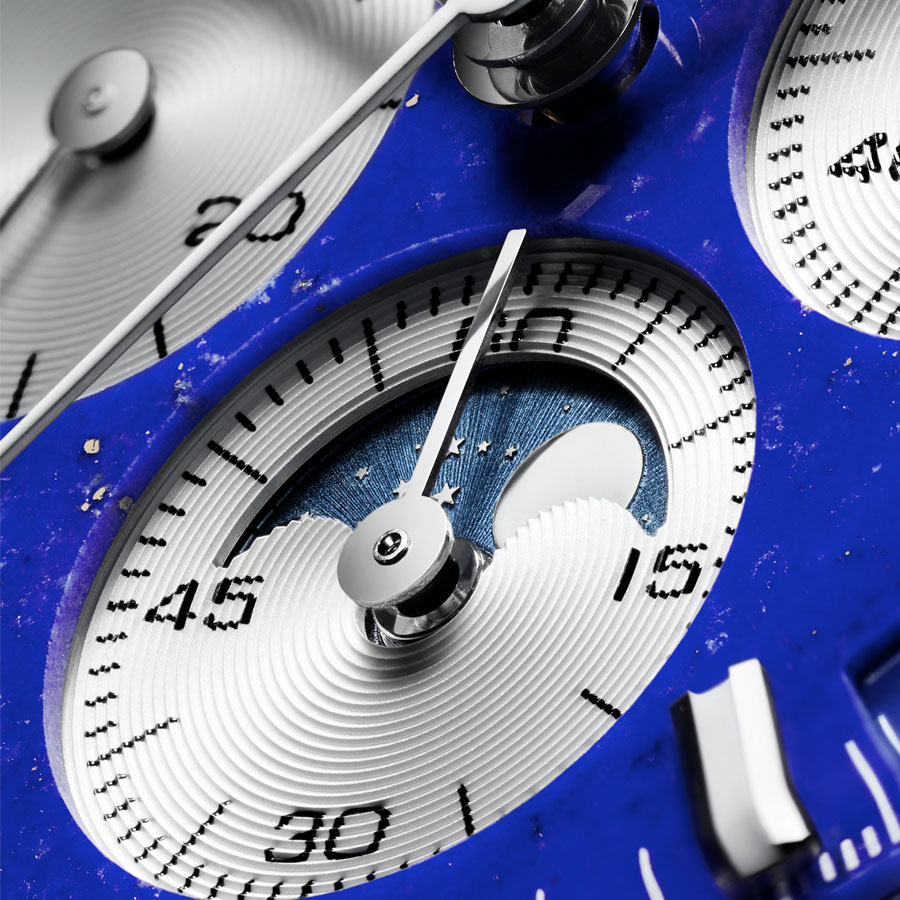
The choice of lapis lazuli is, of course, far from accidental. Its natural pyrite inclusions evoke a starry night sky — a subtle nod for a brand whose emblem is a star. And since every single stone boasts a completely unique pattern of these natural features, no two timepieces are exactly alike.
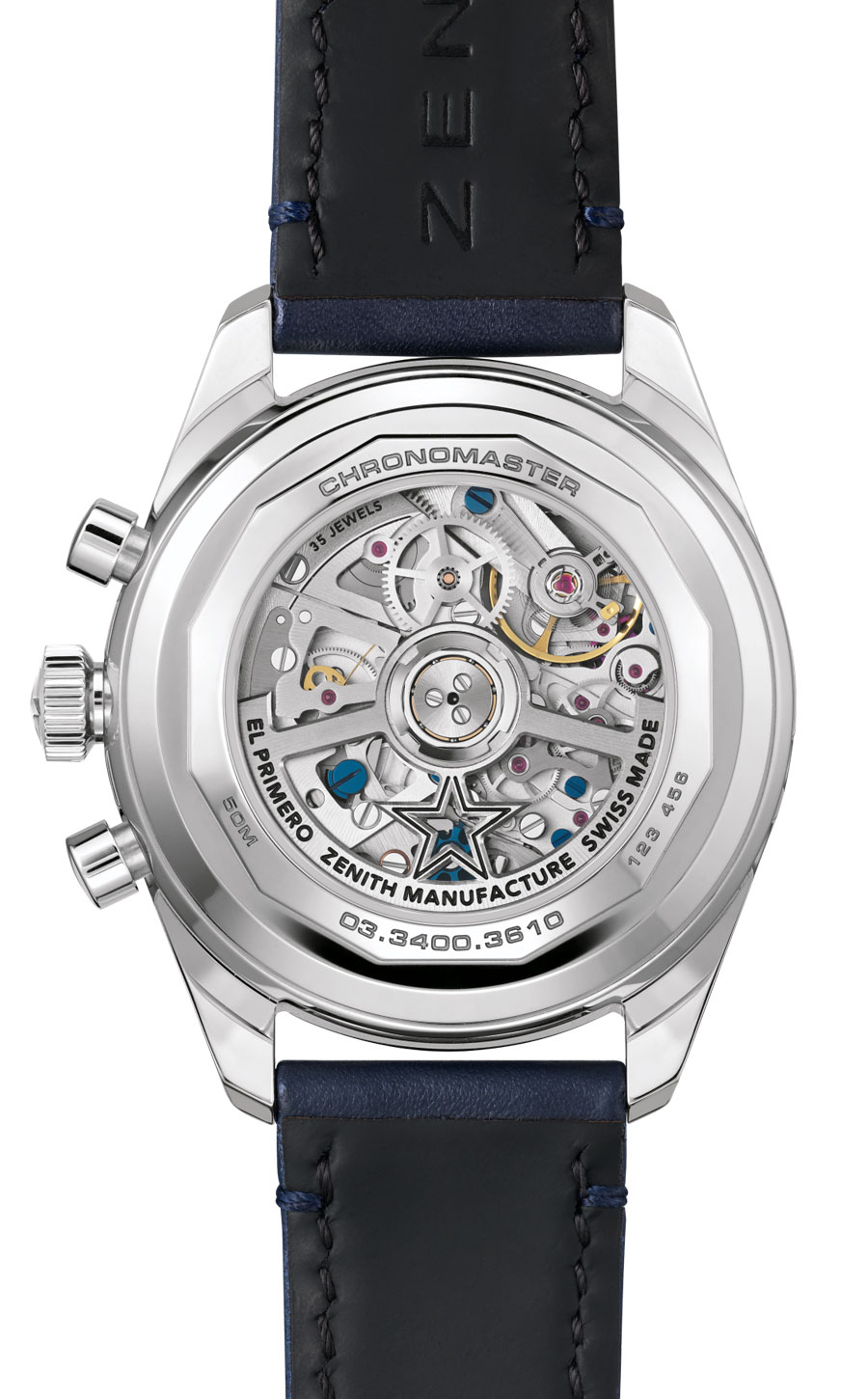
Behind this mineral facade lies the El Primero 3610 calibre — a contemporary iteration of the manufacture’s famous high-frequency chronograph. Beating at 5 Hz, it still delivers a tenth-of-a-second display thanks to a central hand which sweeps the dial once every ten seconds. The power reserve sits at roughly 60 hours, and the movement is on full display through the sapphire case back, showcasing its blue column wheel and open-worked, star-adorned rotor. We have come full circle!
€24,200
Click here for the Chronomaster Original Triple Calendar Lapis Lazuli spec sheet
LOUI SANS S’S CHOICES
CARTIER
Santos de Cartier Timepiece
More than 120 years after it first appeared, the Santos design — originally conceived by Louis Cartier for the aviator Alberto Santos-Dumont — continues to evolve while staying true to its original design cues. It is a familiar tale, but one that bears repeating.
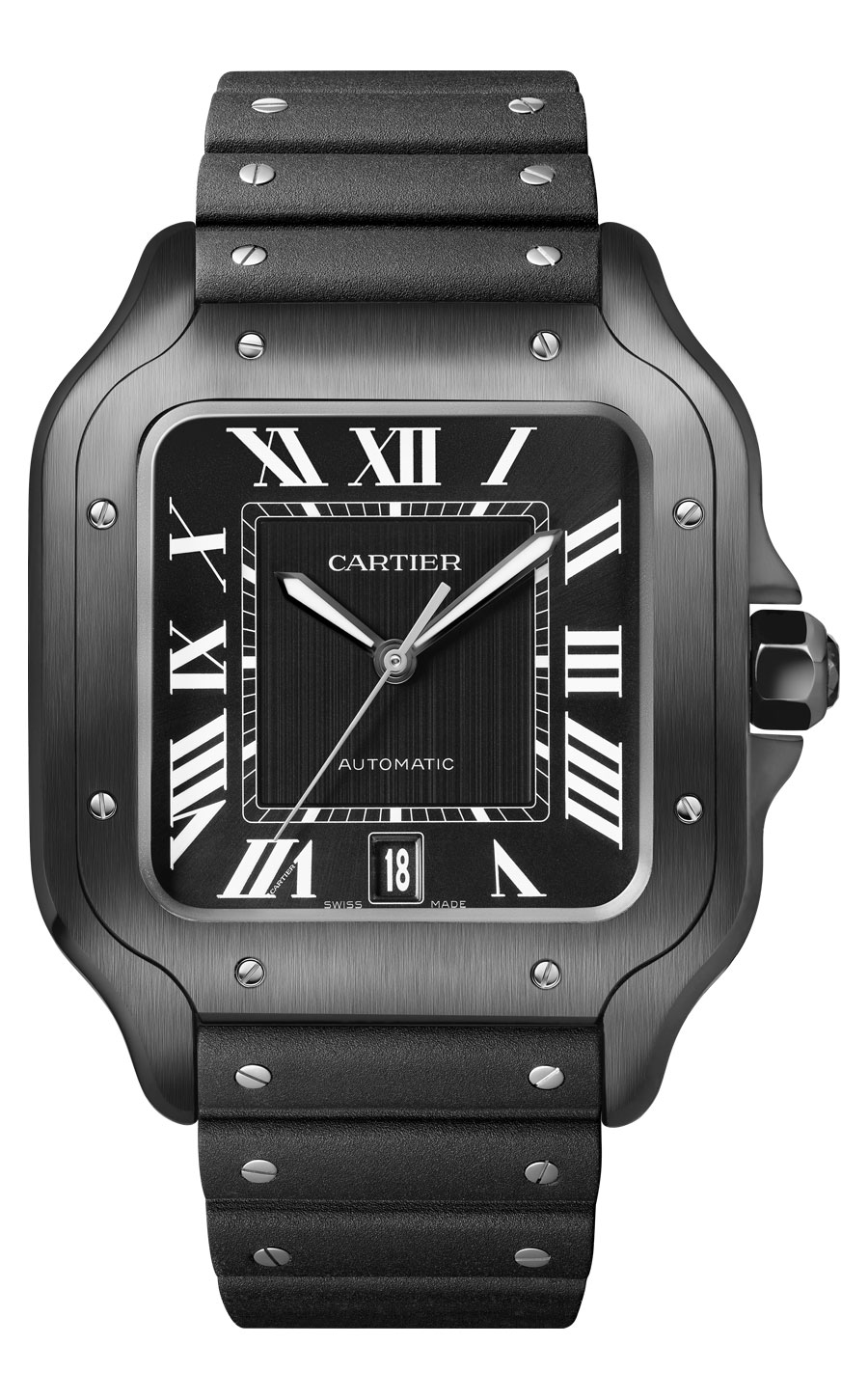
In 1904, Alberto Santos-Dumont was looking for a straightforward answer to a very practical issue: telling the time without having to take his hands off the aircraft controls. Louis Cartier responded with a wristwatch, long before that format became standard. One of the earliest modern wristwatches was thus created, along with one of watchmaking’s most recognisable silhouettes. This Santos de Cartier is a fine example of how well the design handles a transformation. Beneath the historical design cues, the core elements remain intact: a square case with rounded corners, visible screws on the bezel, and an instantly recognisable look. Yet, the feel of this piece is different.
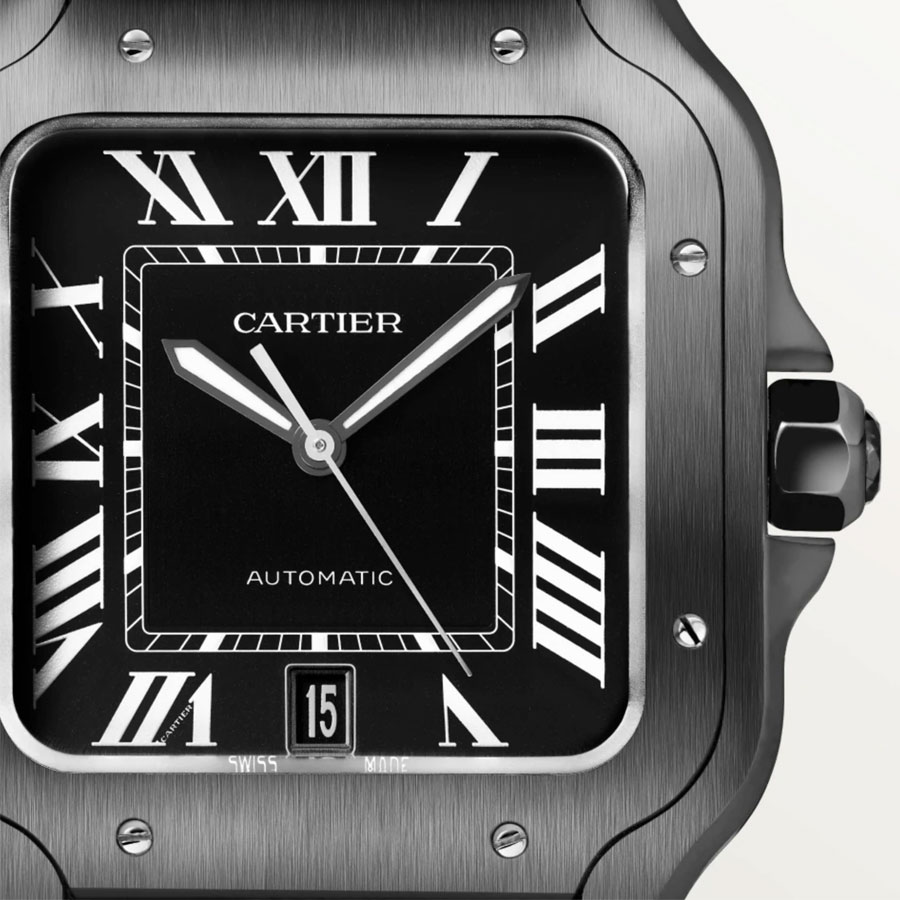
Cartier has gone for a blend of steel and ADLC that completely transforms the timepiece’s character. It delivers a more technical aesthetic, trading some of the usual Santos polish for an almost monochrome finish. Framed by a railway minute track, the black dial is punctuated by Roman numerals (with the hidden signature tucked into the “V” of “VII”) and a date window at 6 o’clock, the black sword-shaped hands, coated with luminescent material, together with the faceted black spinel set into the crown to reinforce this sense of visual coherence.
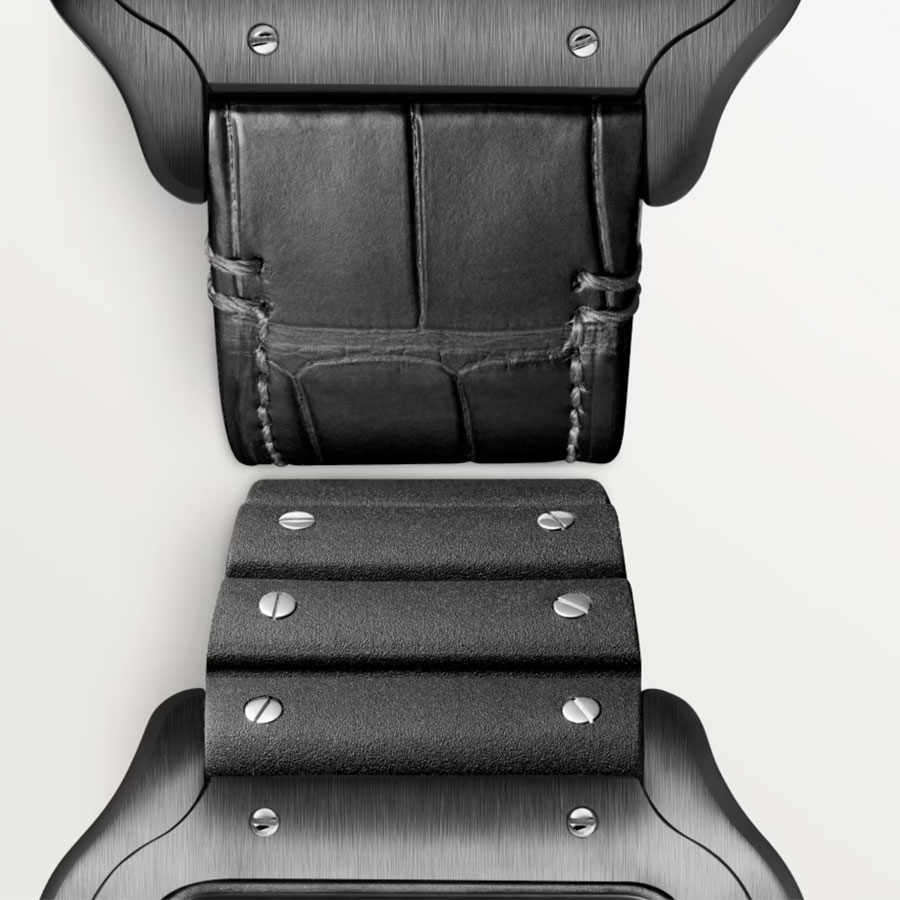
The 39.8mm case, measuring 9.38mm thick, maintains well-balanced proportions, powered by the manufacture calibre 1847 MC. Water-resistant to 100 metres, it comes with two interchangeable straps — one in rubber and one in black alligator — both compatible with the QuickSwitch system. It is a feature that has become an absolute must-have for Cartier.
€9,750
Click here for the Santos de Cartier in steel and ADLC spec sheet.
IWC
Pilot’s Watch Mark XX Mercedes – AMG PETRONAS Formula One™ Team
Brand partnerships between watchmakers and Formula 1 teams have become so numerous that they can sometimes start to feel very similar. A logo on the dial, a colour picked up on the bracelet, and the job is done. With this Pilot’s Watch Mark XX Mercedes-AMG PETRONAS Formula One™ Team edition, IWC boasts a more coherent approach. Rather than turning its pilot’s watch into a racing chronograph, the brand simply brings the technical feel of its partner to one of its most successful references.
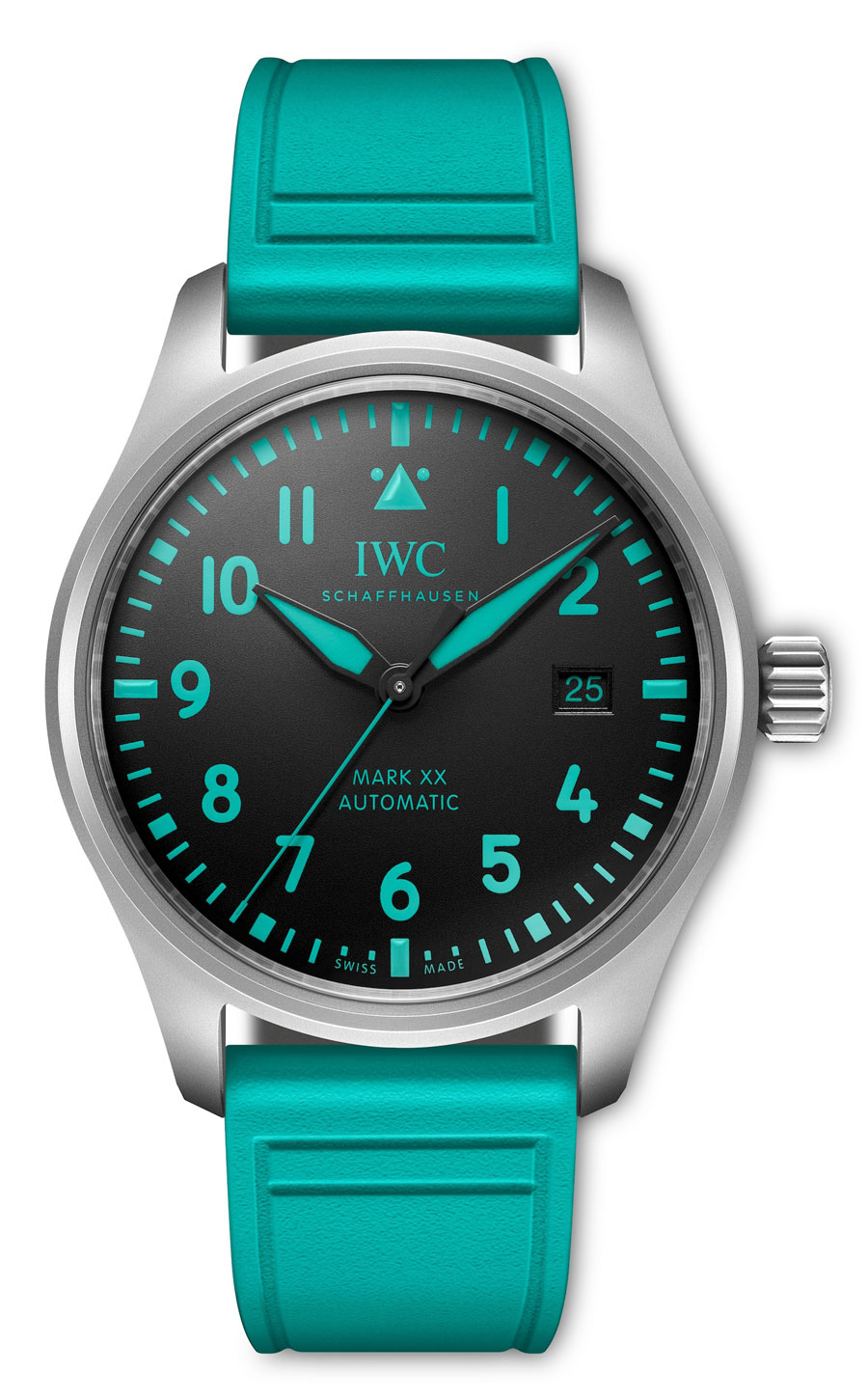
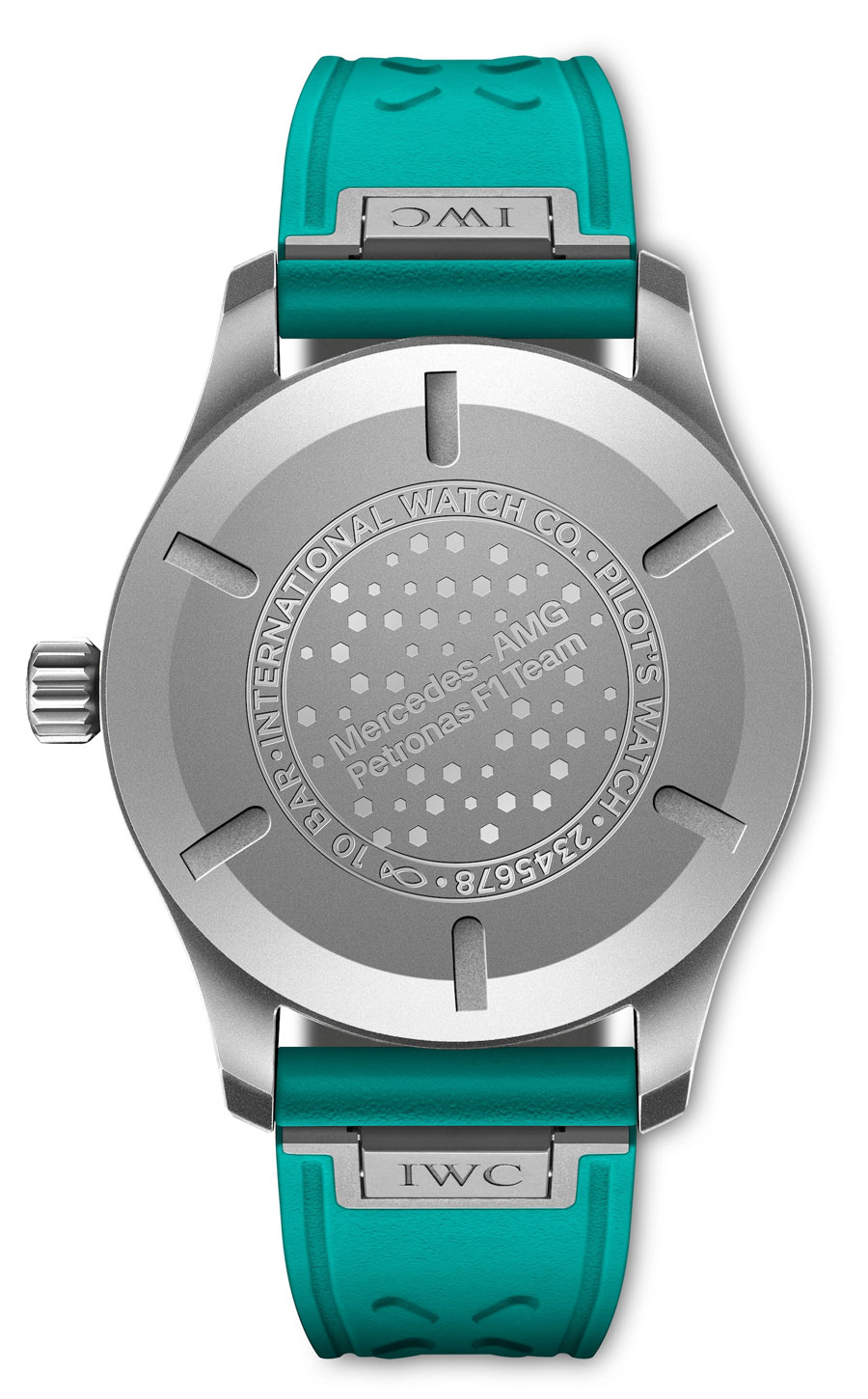
The Mark XX seems especially well-suited to this expectation. For decades, this lineup has been placing legibility, durability and functionality centre stage. Three qualities that hardly feel out of place in a Formula 1 pit lane on a Sunday afternoon. This new edition adds design cues inspired by the Mercedes-AMG PETRONAS team. The numerals, hour markers and luminescent material all take on the hallmark Petronas green, standing out against the black dial. The green rubber strap naturally echoes this vivid tone, while the case back highlights a dedicated engraving referring to the team. The case is crafted from sandblasted Grade 5 titanium — a material that is significantly lighter than steel while offering exceptional rigidity. It is worth noting that this alloy is also widely used in the automotive industry for high-stress components. A quite credible technical link for a timepiece associated with a Formula 1 team.
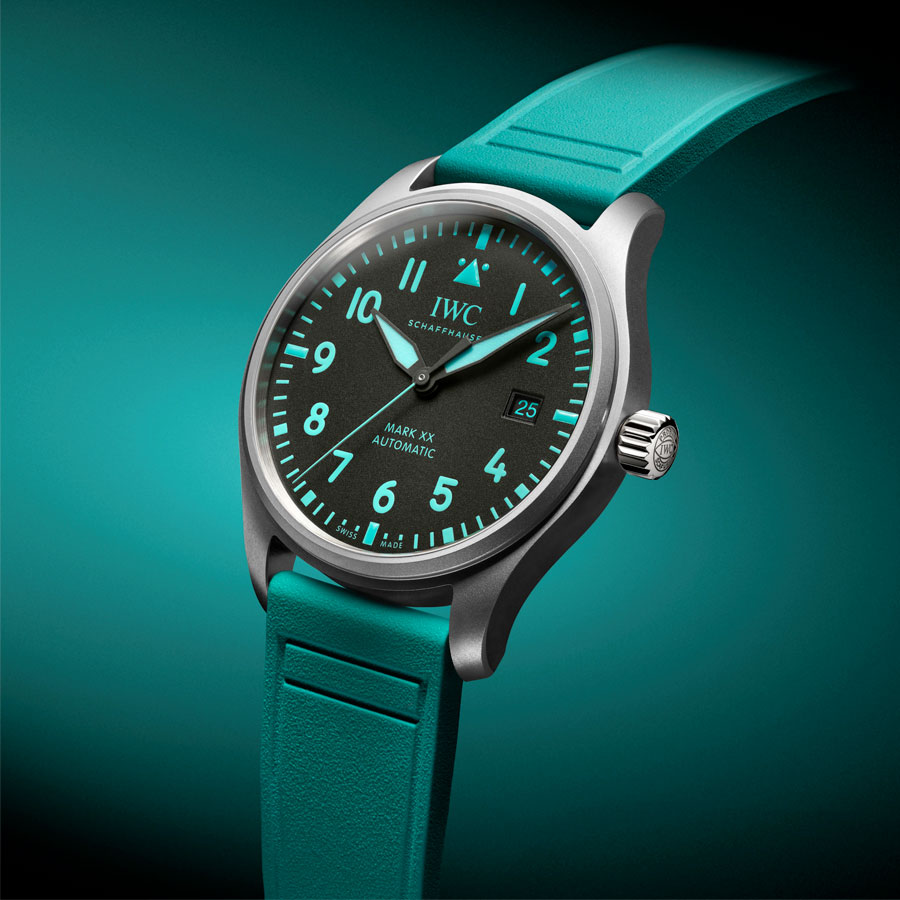
Measuring 40mm in diameter and a mere 10.68mm thick, the timepiece preserves the well-balanced proportions that have driven the success of the Mark XX. It is powered by the self-winding calibre which boasts an impressive 120-hour power reserve. Water-resistant to 100 metres, this model comes fitted with the EasX-CHANGE® quick-change system, allowing you to swap out the strap without any tools.
€6,600
Click here for the Pilot’s Watch Mark XX Mercedes-AMG PETRONAS Formula One™ Team spec sheet
TUDOR
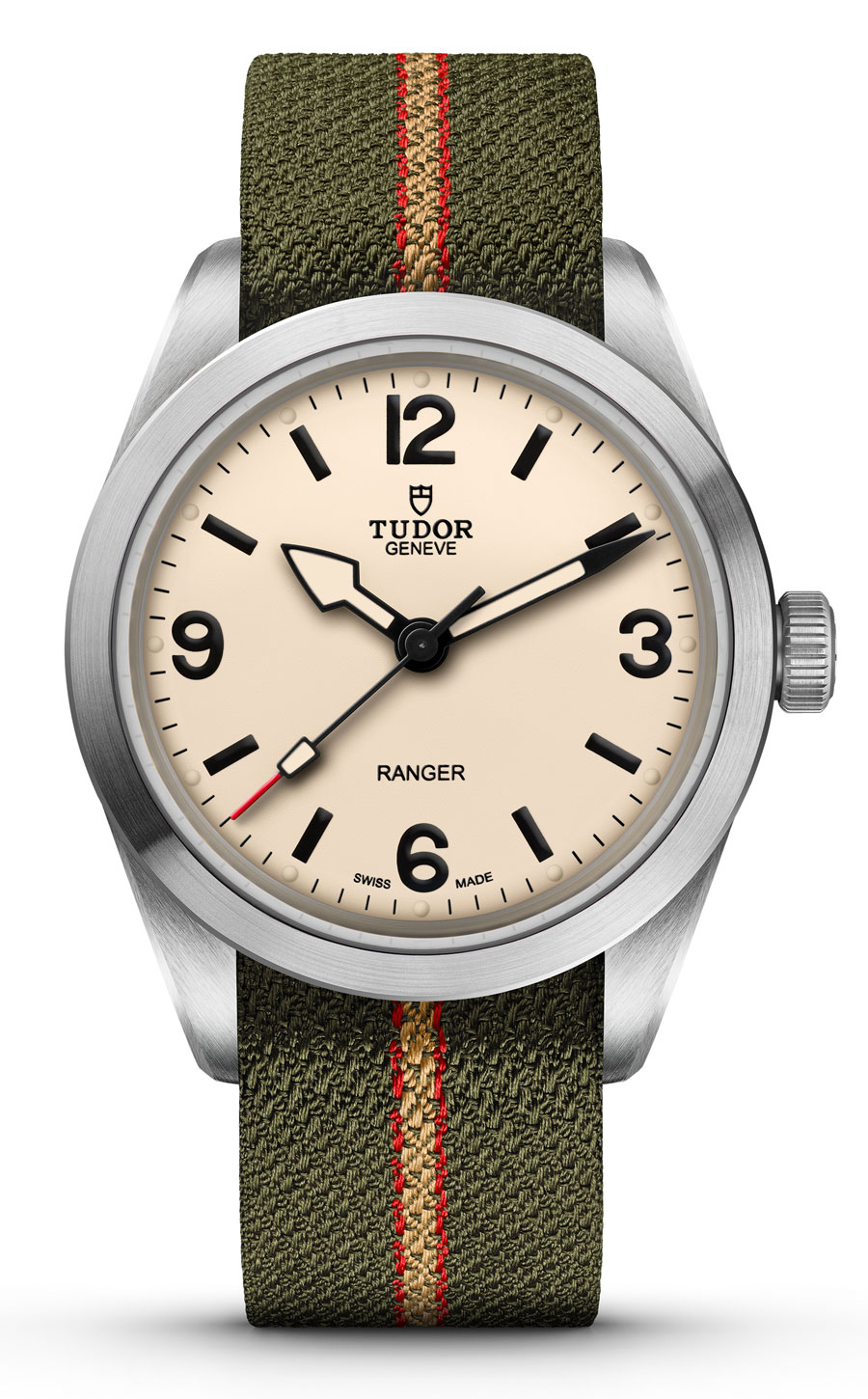
Check out the full article and show dedicated to the Tudor Ranger:
TIMEPIECES ON THEIR WRISTS
BVLGARI, Octo Finissimo Édition Dubail
The Octo Finissimo has absolutely nothing left to prove. In just a decade, the lineup has racked up record after record for ultra-thin craftsmanship, establishing itself as one of the most important watchmaking creations of modern times. Yet, some special editions still manage to bring a totally fresh personality to the table. That is exactly the case with this Octo Finissimo Dubail Edition.
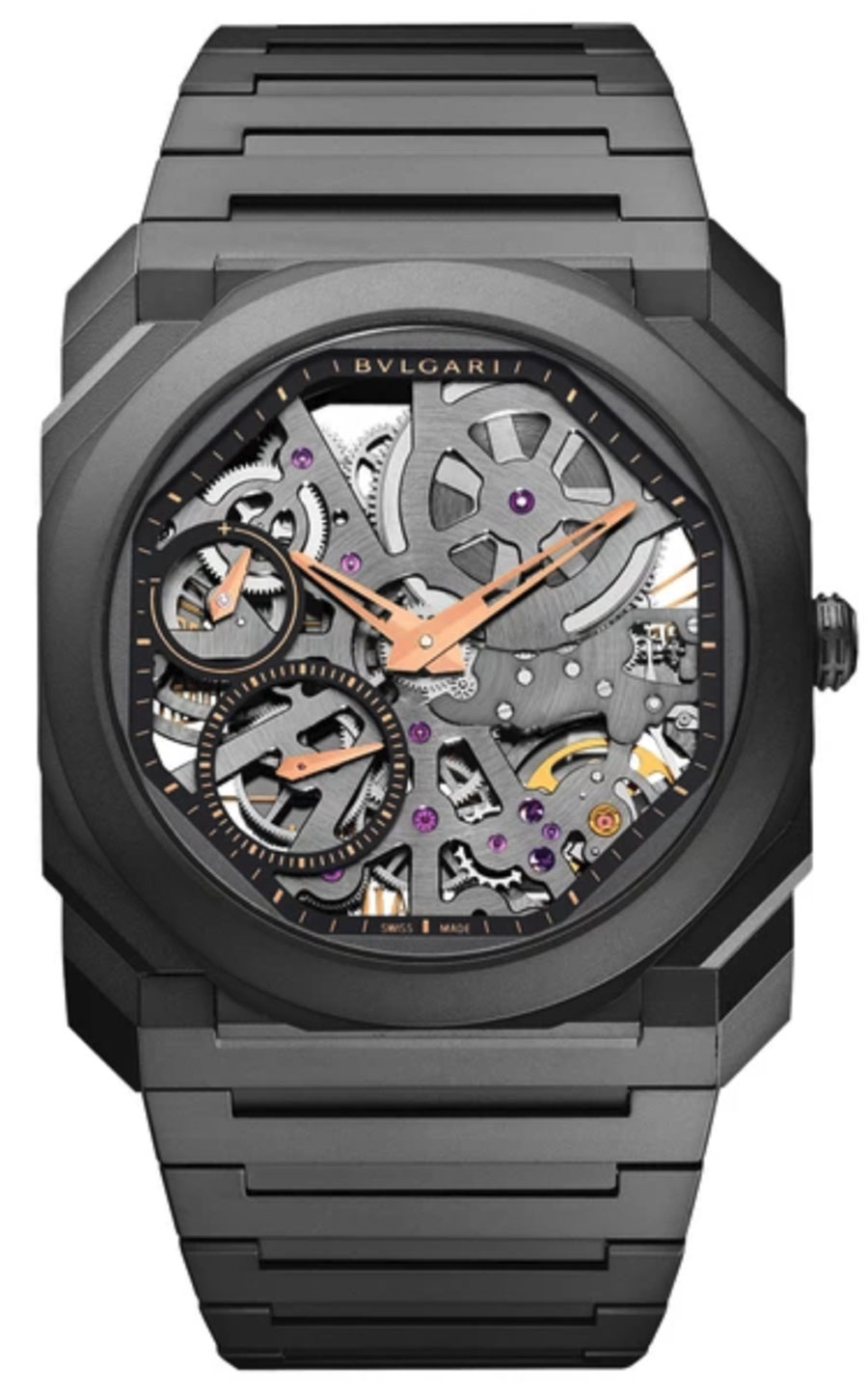
Crafted in black DLC titanium, this exclusive version is all about contrast. Where the classic Octo Finissimo often relies on the understated grey tones of sandblasted titanium, this iteration takes a far bolder approach. Its monochrome architecture perfectly highlights the intricate skeletonisation of the dial. And that is exactly where the focus is drawn. The openworked movement uncovers glimpses of the inner mechanics while maintaining the visual balance that defines the lineup.
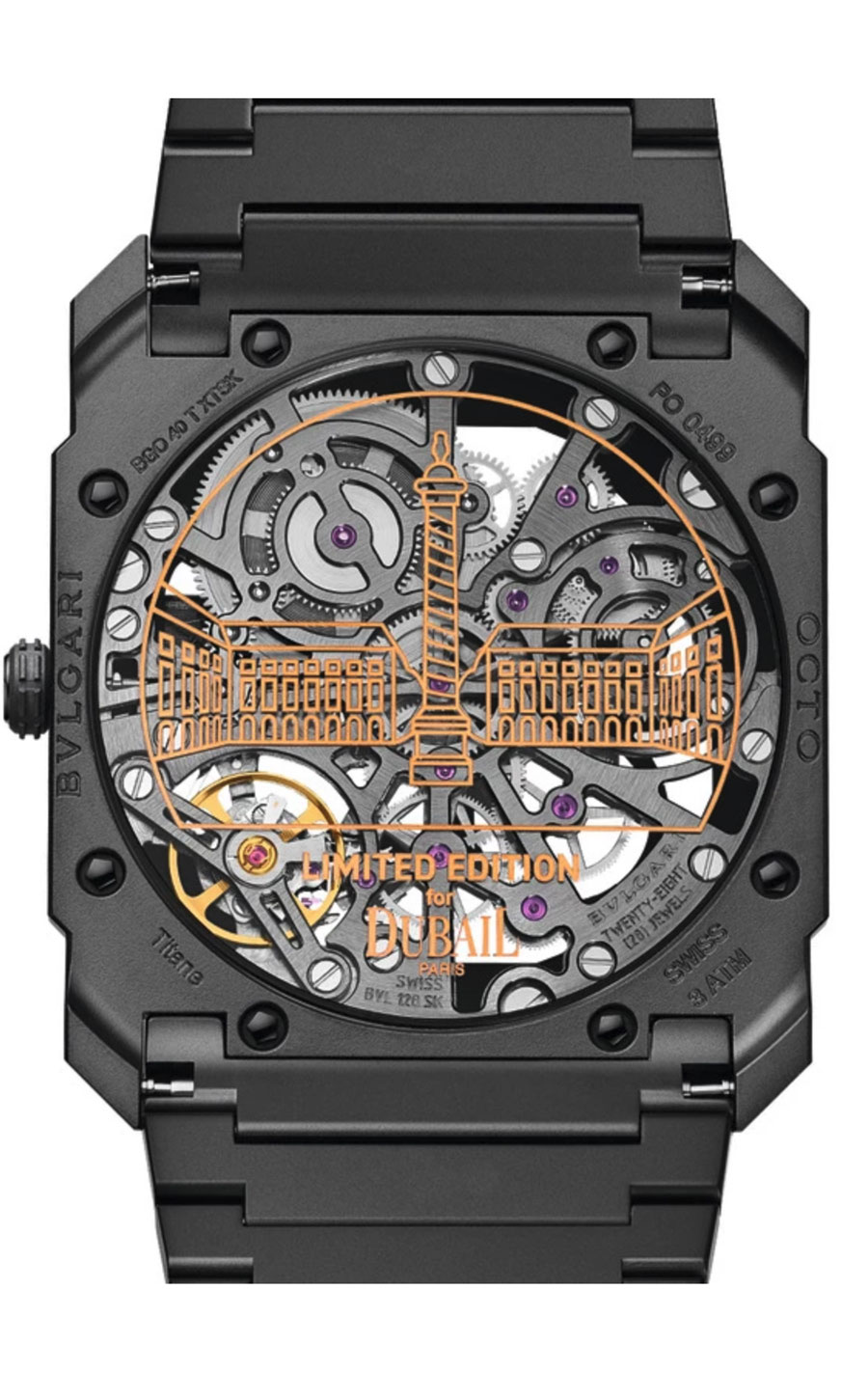
The 40mm case preserves the classic proportions which brought success to this reference, while the built-in bracelet extends a geometric architecture inspired by the Maxentius Octagon and the coffered ceilings of Rome’s Basilica of Constantine. It is an aesthetic hallmark that is instantly recognisable. Beneath this angular silhouette lies a manual-wind movement fitted with a power reserve indicator. Visible through the sapphire case back, it is adorned with the iconic column and buildings of Place Vendôme, home to the Dubail family’s very first boutique.
€31,600
Click here for the Bvlgari Octo Finissimo Edition Dubail spec sheet.
GRAND SEIKO, Heritage Spring Drive – SBGA259
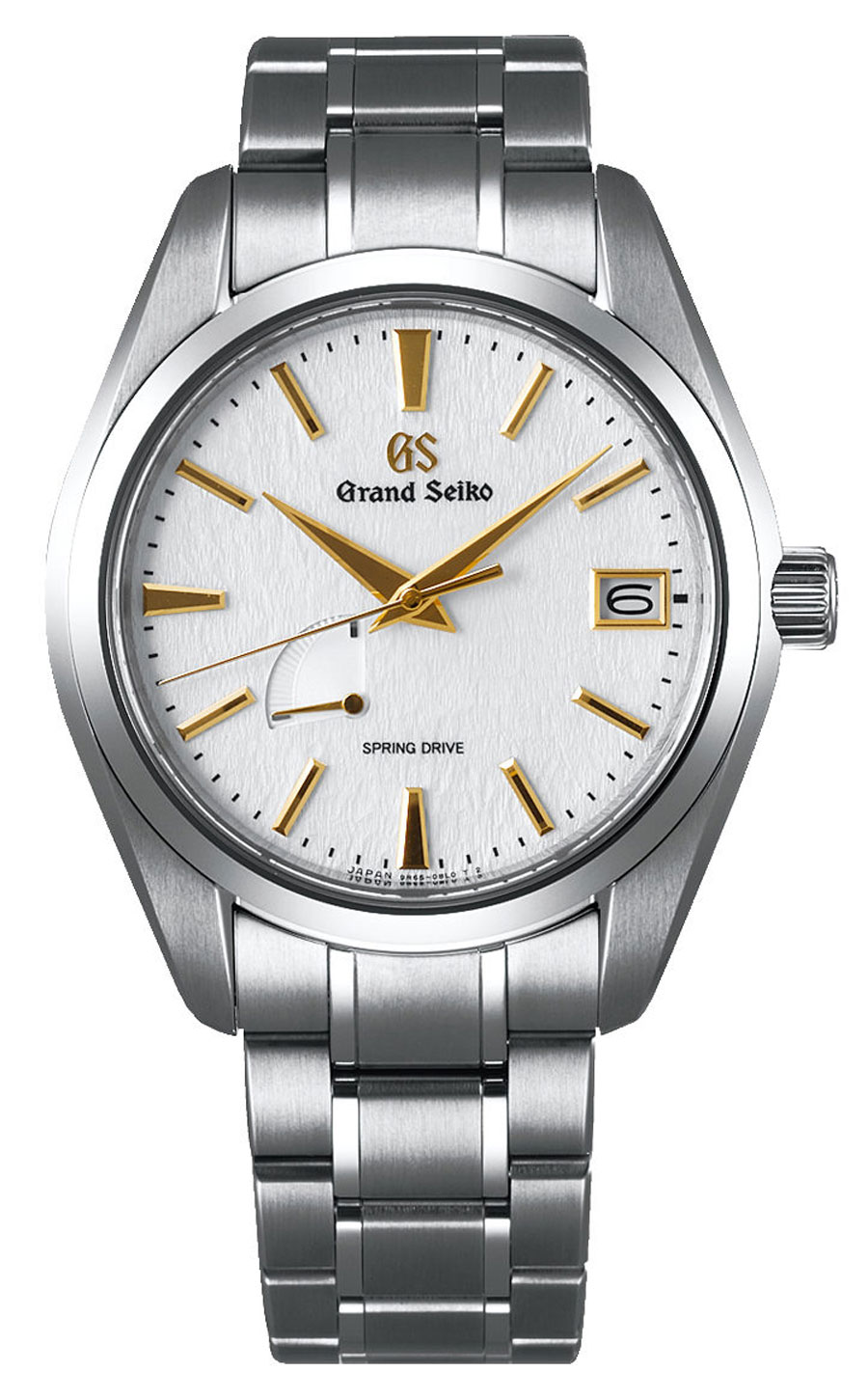
Behind the understated looks of this Grand Seiko lies one of modern watchmaking’s most unique technologies: the Spring Drive.
Unveiled over twenty years ago, this hybrid movement remains one of the industry’s most distinctive innovations. It combines the mechanical power of a traditional calibre with an electronic regulation system, which allows the seconds hand to sweep with remarkable smoothness. It might seem a detail, but you will appreciate it the moment you see it on your wrist. Water-resistant to 100 metres, the timepiece highlights a 41mm case crafted from a high-intensity titanium developed by the manufacture. Furthermore, its 72-hour power reserve means you can leave it off all weekend and it will still be running perfectly on Monday morning.
Click here for the Grand Seiko Heritage Spring Drive – SBGA259 spec sheet
IWC, Ingenieur Automatic AMG
Before it became a must-have piece for collectors, the Ingenieur was a proper engineer’s timepiece. When IWC launched the lineup in the 1950s, it simply aimed at protecting the movement from the magnetic fields faced by industry professionals. It was a technical mission that would permanently shape the model’s identity.
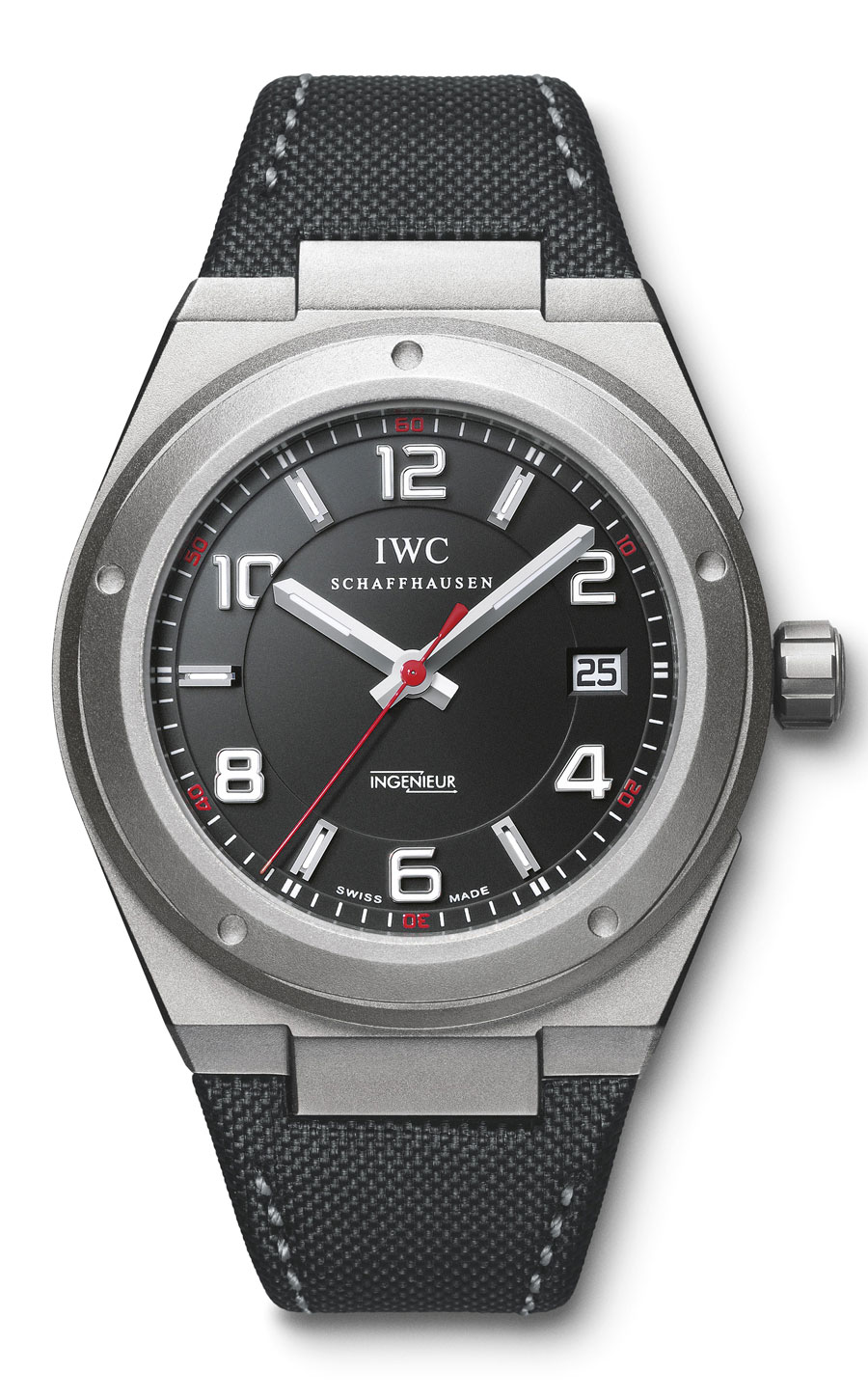
This Ingenieur Automatic AMG carries that exact heritage forward. Housed within its 42.5mm titanium case is a soft-iron inner cage that shields the movement from magnetic fields of up to 80,000 A/m. You won’t find this feature at every corner these days, but it remains right at the heart of the collection’s DNA. It also marks the convergence of IWC and Mercedes-AMG — two universes brought together by a shared engineering culture. Its 80110 calibre fitted with Pellaton winding, paired with a lightweight yet robust titanium case, is the essence of this philosophy. But what makes the Ingenieur particularly compelling today is its Gérald Genta design cues. Its codes are directly taken from the 1976 Ingenieur SL, which has become one of the most sought-after models in IWC’s history. It is a watch born out of pure technical necessity that has, over time, evolved into a sports-chic icon.
Technical Specifications:
Mechanical, Pellaton self-winding system, shock-absorption system, date display, central stop-seconds mechanism
Calibre: 80110
Frequency: 28,800 vph (vibrations per hour)
Rubies: 28
Power reserve: 44 hours
Titanium case
Soft-iron inner case for protection against magnetic fields
Sapphire crystal, anti-reflective coating, secured against displacement by drops in air pressure
Screw-down crown
Water-resistant to 120 metres
Diameter: 42.5 mm
Height: 14.5 mm
Dubail Vendôme Boutique
21 place Vendôme
75001 Paris
01 42 61 11 17
See also:
Read also: